Anchorage is the largest city in Alaska and the main gateway to Southcentral Alaska. Located between the Chugach Mountains and Cook Inlet, Anchorage combines the conveniences of a modern city with easy access to Alaska's spectacular wilderness, wildlife and outdoor adventures.
For many travelers, Anchorage is the starting point for an Alaska vacation. The city is connected by air, road and railroad with popular destinations including Denali National Park, Seward, Whittier, Talkeetna and the Kenai Peninsula. Anchorage is also a destination in its own right, with museums, Alaska Native cultural attractions, hiking and biking trails, wildlife viewing, scenic drives and a wide choice of restaurants and accommodations.
One of the great advantages of Anchorage is how quickly the urban environment gives way to wilderness. You can spend the morning exploring a museum or walking downtown and be on a mountain trail, coastal route or scenic highway later the same day.
Whether you are beginning an independent road trip, traveling by Alaska Railroad, joining a guided vacation or spending several days exploring the city, Anchorage is one of the most useful bases for discovering Alaska.
Anchorage at a Glance
Location
Southcentral Alaska
Airport
Ted Stevens Anchorage International Airport (ANC)
Region
Southcentral Alaska
Known for
Mountains, wildlife, outdoor recreation and culture
Ideal stay
1-3 nights for many Alaska itineraries
Major connections
Denali, Seward, Whittier and Talkeetna
Best Time to Visit Anchorage
The best time to visit Anchorage depends on what you want to do. Summer is the main sightseeing season, with very long daylight hours, extensive railroad service, hiking, wildlife viewing, scenic drives and glacier excursions. September brings fall colors and increasingly dark nights for Northern Lights viewing, while winter offers snow activities and a very different Alaska experience.
There is no single best month for everyone. Travelers planning a classic Alaska sightseeing vacation will generally find the broadest choice of tours and transportation during summer, while visitors specifically interested in the Northern Lights will need darker skies and therefore travel outside the main summer season.
Summer - June to August
The main travel season in Anchorage. Long daylight hours make it possible to combine sightseeing with hiking, biking, wildlife viewing, scenic drives, glacier excursions and railroad journeys. July is generally the busiest period, while June and August can appeal to travelers looking for a slightly different summer experience.
Fall - September
September is a transition month. Daylight decreases quickly, fall colors appear and the nights become dark enough for increasing opportunities to see the Northern Lights. Some summer tours and services operate on reduced schedules or end during the month, so check dates before booking.
Winter - October to April
Winter brings snow, skiing, winter recreation and opportunities for Northern Lights viewing. Daylight is limited, especially around December, but the season can be rewarding for travelers who want snow-covered landscapes, winter activities and a quieter Anchorage experience.
Spring - May
May is a transition period between winter and summer. Daylight increases rapidly and the mountains may still be snow-covered, while many summer activities begin returning later in the month. Check individual opening dates when planning a May trip.
How Many Days Do You Need in Anchorage?
Anchorage can be a short stop at the beginning or end of an Alaska vacation, but it can also justify several days if you want to combine city attractions with outdoor activities and day trips. The right amount of time depends largely on what comes before and after Anchorage in your itinerary.
1 day
A good option if Anchorage is primarily your arrival or departure point. Focus on one or two major attractions, a scenic walk or bike ride, and a good Alaska meal rather than trying to see everything.
2 days
Two nights give you time for Anchorage sightseeing plus an outdoor activity or excursion. This is a useful amount of time for travelers who want to experience the city without taking too much time away from the rest of Alaska.
3 days or more
Three nights allow more flexibility for hiking, wildlife viewing, or a day trip outside the city. This can make sense if Anchorage is an important part of your vacation rather than simply a transportation stop.
Why Visit Anchorage?
Anchorage offers an unusual combination of city amenities and easy access to wilderness. The Chugach Mountains provide a dramatic backdrop, while parks, trails and coastal areas allow visitors to experience Alaska's landscape without traveling far from the city.
Wildlife is another major attraction. Moose can be encountered around Anchorage, while the surrounding region provides opportunities to look for bears, bald eagles, Dall sheep and beluga whales. Wildlife sightings are never guaranteed, but the combination of mountains, forests, wetlands and coastline makes the area unusually diverse.
Anchorage is also an important center for Alaska history, art and Indigenous culture. Museums, galleries and cultural attractions provide an opportunity to understand the people, landscapes and traditions that have shaped the state.
For travelers, Anchorage is also practical. It is the state's major air gateway and an important transportation hub, making it easy to combine with a self-drive vacation, Alaska Railroad journey, motorcoach tour or cruise itinerary.
Things to Do in Anchorage
Anchorage has enough attractions and outdoor activities to fill several days, but you do not need to spend your entire vacation in the city. Many visitors use Anchorage as a base for exploring the surrounding Southcentral Alaska region.
Anchorage Museum
The Anchorage Museum is a good introduction to Alaska's history, art, science and cultures. It is particularly useful on a rainy day or at the beginning of a trip when you want context for what you will see elsewhere in Alaska.
Alaska Native Heritage Center
Learn about Alaska Native cultures and traditions through exhibits, cultural demonstrations and presentations. It provides valuable context for understanding the different Indigenous peoples and regions of Alaska.
Tony Knowles Coastal Trail
This popular paved trail follows the coast from downtown toward Kincaid Park. It is suitable for walking and cycling and offers views of Cook Inlet, mountains and wildlife. The full trail is about 11 miles one way, but you can easily enjoy a shorter section.
Flattop Mountain
Flattop is one of Anchorage's best-known hiking destinations. It offers broad views over Anchorage and the surrounding mountains, but the upper portion is a real mountain hike rather than simply a viewpoint. Conditions can change quickly, so appropriate footwear and clothing are important.
Kincaid Park
A large urban park on the southern edge of Anchorage with trails, forests, coastal views and opportunities for wildlife viewing. It can be combined with the southern section of the Coastal Trail.
Earthquake Park
A relatively easy stop for learning about the 1964 earthquake and seeing the dramatic landscape along Cook Inlet. It is also connected with the Coastal Trail and can be combined with a bike ride or walk.
Wildlife Viewing
Moose are commonly associated with Anchorage, while the wider region offers opportunities to see bears, Dall sheep, eagles and beluga whales. Dedicated wildlife excursions can improve your chances of seeing particular species.
Turnagain Arm
The scenic drive south from Anchorage along Turnagain Arm is one of the easiest ways to experience dramatic Alaska scenery without committing to a long road trip. Mountains rise directly from the water, and the route leads toward Girdwood, Portage and the Kenai Peninsula.
Portage and the Chugach Mountains
Portage is within easy reach of Anchorage and offers access to glacier country, mountain scenery and outdoor attractions. It is often combined with a drive along Turnagain Arm.
Flightseeing
Anchorage is a major base for scenic flights into the surrounding mountains and glaciers. Flightseeing can provide access to landscapes that are difficult or impossible to reach by road.
Wildlife Around Anchorage
One of the advantages of staying in Anchorage is that you do not have to travel deep into the wilderness to begin looking for wildlife. Moose can occur within the city and surrounding green spaces, while the coastline, mountains and nearby wetlands provide habitat for many other species.
Moose
Moose are one of the most frequently associated wildlife species around Anchorage. They may appear in parks, neighborhoods and along roads, particularly where suitable habitat is nearby.
Beluga Whales
Beluga whales can sometimes be seen along Turnagain Arm, particularly during seasonal movements. Sightings are never guaranteed, so consider a dedicated wildlife excursion if seeing belugas is a priority.
Dall Sheep
The mountains around Anchorage provide habitat for Dall sheep. Look carefully at rocky slopes and mountain faces when traveling through the Chugach Mountains.
Bald Eagles and Other Birds
Coastal areas, rivers and wetlands around Anchorage support a variety of birds, including bald eagles. Bring binoculars if wildlife and bird watching are important parts of your trip.
Important wildlife tip: Wild animals are unpredictable. Never approach, feed or attempt to photograph wildlife from an unsafe distance. A good wildlife experience begins with giving animals plenty of space.
Anchorage Insider Tips
Do not underestimate travel distances.
Anchorage is a convenient base, but Alaska is enormous. A destination that looks close on a map can still require several hours of driving or a full day of travel.
Do not plan too much on arrival day.
If you are arriving after a long international or cross-country flight, allow time to collect luggage, pick up a rental car and adjust to the long summer daylight or winter conditions.
Use Anchorage strategically.
If Anchorage is simply the starting point for a road trip, you may only need one night. If you want to hike, explore museums, see wildlife or take a day trip, additional nights can be worthwhile.
Summer daylight changes how you travel.
During the main summer season, there can be many hours of usable daylight. This makes it possible to combine activities that would normally require separate days, but it can also encourage travelers to overfill their itineraries.
Wildlife sightings are never guaranteed.
Seeing a moose beside the road or a beluga in Turnagain Arm can be memorable, but wildlife remains wild and unpredictable. Plan your itinerary around the experience rather than assuming a sighting will happen.
Check seasonal operating dates.
May and September can be excellent travel months, but some attractions, tours and transportation services operate on shorter schedules than during the peak summer season.
Where to Stay in Anchorage
The best area to stay depends on how Anchorage fits into your trip. You do not necessarily need to stay downtown, particularly if you have a rental car and are using Anchorage mainly as a starting point for a road trip.
Downtown Anchorage
A convenient choice for travelers interested in restaurants, museums, shopping, walking and easy access to downtown attractions. It is also practical for travelers arriving or departing by Alaska Railroad.
Midtown Anchorage
A practical area for travelers with a rental car who want convenient access to major roads, shopping and services. It can be less focused on sightseeing than downtown.
Airport Area
Convenient for a late arrival, early departure or a short overnight stay. It is generally more about convenience than sightseeing.
Outside Anchorage
Travelers primarily interested in mountains and outdoor activities may also consider locations such as Girdwood. This is no longer Anchorage itself, but can make sense for an itinerary focused on the Turnagain Arm and Chugach Mountains.
Getting to Anchorage
Anchorage is the main transportation hub for many Alaska vacations. Most visitors arrive by air, but the city can also be reached by road and railroad. Cruise travelers can connect to Anchorage through Whittier or Seward.
By Air
Ted Stevens Anchorage International Airport is Alaska's principal air gateway. For international visitors and travelers arriving from the Lower 48, flying into Anchorage is often the simplest way to begin an Alaska vacation.
By Road
Anchorage is connected to the Alaska highway system and is a natural starting or ending point for an Alaska road trip. Major routes lead north toward Denali and Fairbanks and south toward the Kenai Peninsula and Seward.
By Railroad
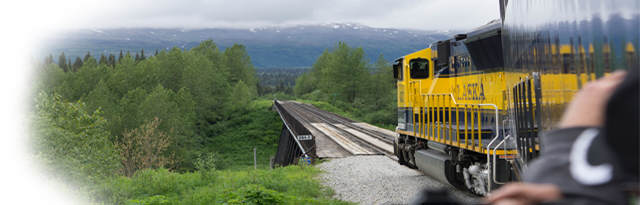
The Alaska Railroad connects Anchorage with destinations including Seward, Whittier, Girdwood, Talkeetna, Denali and Fairbanks. Summer routes include the Coastal Classic, Denali Star and Glacier Discovery trains, while winter service operates on a more limited schedule.
Getting Around Anchorage
How you get around Anchorage depends on your itinerary. Travelers staying mainly downtown can walk to many attractions and use local transportation, taxis, rideshare services and organized tours. A rental car becomes more useful when you plan to explore outside the city.
Rental Car
A rental car provides the greatest flexibility for travelers planning scenic drives, hiking, wildlife viewing or a self-drive vacation beyond Anchorage.
Public Transportation
Anchorage has local bus service and other transportation options. These can be useful for travelers staying in the city, although public transportation is not a substitute for a rental car on a longer Alaska road trip.
Walking and Biking
Parts of downtown Anchorage are easy to explore on foot, while the Coastal Trail and other paths provide excellent opportunities for walking and cycling.
Organized Tours
Tours are a convenient option for travelers who do not want to drive. They can also make sense when the activity itself involves specialized transportation, guides or equipment.
Anchorage as a Gateway to Alaska
One of Anchorage's greatest advantages is its location. From the city, travelers can continue by road, railroad, motorcoach or air to many of Alaska's most popular destinations. Anchorage works particularly well as a hub for combining several different regions into one vacation.
Denali National Park
The entrance to Denali National Park is about 237 miles north of Anchorage via the George Parks Highway. Denali can be reached by road, motorcoach or Alaska Railroad. The train route also connects Anchorage with Talkeetna and Fairbanks.
Seward and Kenai Peninsula
Seward is a classic extension of an Anchorage itinerary. The town provides access to Kenai Fjords National Park, glacier and wildlife cruises and the scenic Seward Highway. The Alaska Railroad's Coastal Classic also connects Anchorage and Seward during the summer season.
Whittier and Prince William Sound
Whittier is a gateway to Prince William Sound and can be reached from Anchorage by road or railroad. Glacier cruises and marine wildlife excursions make Whittier an important addition to many Southcentral Alaska itineraries.
Talkeetna
Talkeetna is a historic Alaska town north of Anchorage and a popular base for flightseeing, rafting, hiking and other outdoor adventures. It can be reached by road or Alaska Railroad and makes an appealing stop between Anchorage and Denali.
Anchorage and Alaska Cruises
Anchorage is frequently combined with an Alaska cruise, but it is important to understand the difference between Anchorage and the cruise ports of Whittier and Seward. Anchorage itself is not a cruise port for the large ships that visit Southcentral Alaska.
Travelers may fly into Anchorage and then continue to Whittier or Seward for their cruise. Others finish a cruise in Whittier or Seward and spend time in Anchorage afterward.
If you are combining a cruise with a land vacation, allow enough time for the transfer between the cruise port and Anchorage rather than treating the two locations as if they were the same destination.
Weather, Daylight and What to Pack
Anchorage experiences large seasonal differences in temperature and daylight. Summer brings exceptionally long days, while winter has much shorter daylight hours. Weather can change quickly, particularly when traveling from the city into the mountains.
Summer
Layers are more useful than relying on one heavy jacket. A waterproof outer layer, comfortable walking shoes and protection from sun and insects are useful for sightseeing and outdoor activities.
Fall and Spring
Conditions can vary considerably from day to day. Pack layers and be prepared for a mixture of rain, cool temperatures and changing trail conditions.
Winter
Warm insulated clothing, waterproof footwear, gloves, a hat and good layers are essential for extended outdoor activities.
Long Summer Days
Do not underestimate how much daylight you will have in summer. Bring sunglasses and consider an eye mask if you are sensitive to light when sleeping.
Food and Drink in Anchorage
Anchorage has a wide range of restaurants, from casual local establishments to more sophisticated dining. It is also a good place to try foods associated with Alaska before continuing into smaller communities.
Alaska Seafood
Salmon, halibut and other Alaska seafood are staples on local menus. Availability varies by season.
King Crab and Shellfish
Alaska crab and other seafood can be found at restaurants specializing in local ingredients.
Reindeer Sausage
A familiar Alaska specialty that visitors will encounter in breakfast dishes, sandwiches and casual food around the state.
Alaska Beer and Coffee
Anchorage has a strong local coffee and craft beverage scene, making the city a good place to experience some of Alaska's contemporary food culture.
How Long Should You Stay in Anchorage?
1 Night
A practical choice if Anchorage is primarily your arrival or departure point before continuing elsewhere in Alaska.
2 Nights
Allows time for Anchorage sightseeing, an outdoor activity and a relaxed start or finish to your Alaska trip.
3 Nights
Provides more time to explore Anchorage and add a day trip into the surrounding Southcentral Alaska region.
Practical Anchorage Travel Information
Anchorage is a modern city, but it is important to remember that you are traveling in Alaska. Distances are large, weather can affect transportation and some activities are strongly seasonal.
If you are traveling during the shoulder seasons, check current operating dates for individual attractions, tours, railroad services and accommodations before finalizing your itinerary.
For independent travelers, Anchorage is an important starting point for rental-car and self-drive vacations. If you are not driving, the Alaska Railroad, motorcoach services and organized tours provide alternatives for reaching many popular destinations.
Wildlife viewing is possible around Anchorage and throughout the surrounding region, but sightings are never guaranteed. Keep a safe distance from wildlife and follow local wildlife-viewing guidance.
It is also worth planning your itinerary around geography rather than simply counting attractions. For example, Turnagain Arm, Girdwood and Portage can naturally be combined, while Denali and Seward are better treated as separate travel segments.
Frequently Asked Questions About Anchorage
Is Anchorage worth visiting?
Yes, particularly if you want a combination of city attractions, Alaska culture, wildlife and easy access to mountains and scenic areas. Anchorage can also be an important transportation hub for the rest of an Alaska vacation.
What is Anchorage known for?
Anchorage is known for its access to mountains, wildlife, outdoor recreation, glaciers, Alaska Native culture and its role as a transportation hub for Southcentral and Interior Alaska.
What is the best time to visit Anchorage?
Summer is the main sightseeing season, with long daylight hours and the broadest choice of tours and transportation. September can be attractive for fall colors and increasing Northern Lights opportunities, while winter is best suited to travelers interested in snow activities and aurora viewing.
How many days should I spend in Anchorage?
Many travelers spend one to three nights in Anchorage. One night works well as a gateway stop, while two or three nights allow more time for sightseeing, outdoor activities and day trips.
Do I need a rental car in Anchorage?
A rental car is not essential for a short stay focused on downtown Anchorage, but it becomes useful for exploring outside the city, visiting trailheads and scenic areas, or continuing on an independent Alaska road trip.
Can I take the Alaska Railroad from Anchorage?
Yes. The Alaska Railroad connects Anchorage with destinations including Seward, Whittier, Girdwood, Talkeetna, Denali and Fairbanks. Service varies by season.
Can I see wildlife in Anchorage?
Yes. Moose are commonly associated with Anchorage, and the surrounding region offers opportunities to see a variety of Alaska wildlife. Wildlife sightings are never guaranteed.
Can I see the Northern Lights in Anchorage?
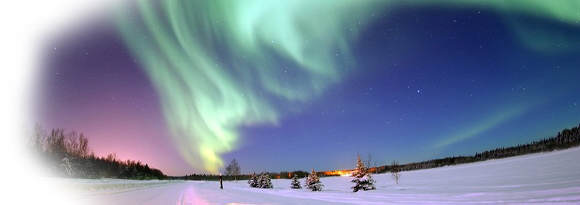
It is possible to see the Northern Lights around Anchorage when conditions are favorable. You need darkness and suitable aurora activity, so summer is not the season for Northern Lights viewing. September through spring provides much darker nights.
How far is Denali from Anchorage?
The entrance to Denali National Park is about 237 miles north of Anchorage by road. Travel time depends on transportation, weather, road conditions and stops along the way.
How do I get from Anchorage to Seward?
Anchorage and Seward are connected by road and by the Alaska Railroad's Coastal Classic during the summer season. Organized transfers and tours are also available.
How do I get from Anchorage to Whittier?
Whittier can be reached from Anchorage by road or by the Alaska Railroad's Glacier Discovery service during its operating season. Whittier is an important gateway to Prince William Sound.
Can I visit Anchorage without a car?
Yes. Downtown Anchorage can be explored without a rental car, and travelers can use tours, local transportation and the Alaska Railroad for selected excursions. A car becomes more useful when exploring beyond the city.
What should I pack for Anchorage?
Pack layers and a waterproof outer layer for summer. Comfortable walking shoes are important, and warmer clothing is needed for spring and fall. Winter visitors need proper insulated clothing and footwear.
Where should I stay in Anchorage?
Downtown is convenient for sightseeing, restaurants and walking, while Midtown and other areas can be practical for travelers with rental cars. The best location depends on whether Anchorage is the main destination or simply a stop within a larger Alaska itinerary.
Explore Alaska from Anchorage
Anchorage is the starting point for many Alaska Active vacations. Explore Alaska by railroad, motorcoach, rental car or a combination of travel styles.
|