

Getting around Alaska: The Complete Transport Guide
Navigate the state like a local using our specialty rail, ferry, and self-drive combinations.
Towering snow-capped mountains, evergreen forests filled with wildlife, deep-blue fjords, and coastlines dotted with fishing towns—this isn't the setting of a fantasy novel; this is Alaska. Home to some of the world's most thrilling landscapes, the sheer scale of the "Great Land" can be daunting. Alaska is twice the size of Texas, yet it has fewer miles of road than Vermont. Crossing Alaska's vast wilderness might seem like a challenge, but with a mix of historic railroads, reliable bush planes, and a surprisingly accessible ferry system, Alaska makes itself truly discoverable to ambitious travelers. Because the paved road network does not connect every major destination -state capital Juneau, for instance, is accessible only by sea or air - a successful itinerary often relies on a strategic combination of these transit options. Whether you are navigating the scenic byways of the Interior or flightseeing over the glaciated peaks of the Alaska Range, understanding these connections ensures that the journey itself becomes as memorable as the destination. Here are the best ways to get around Alaska by plane, train, car, camper, boat, and motorcoach.
Take the Train to Enjoy Incredible Scenery
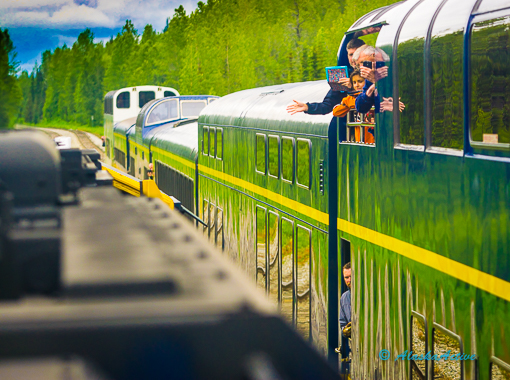
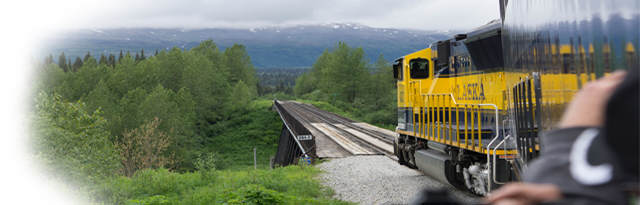
Traveling by train in Alaska should be on the bucket list of any rail diehard. Unlike high-speed commuter lines elsewhere, the Alaska Railroad is an experience in itself, chugging through some of the most gorgeous landscapes in the world—through mountain valleys, past glaciers, and alongside roaring rivers that no highway can reach.
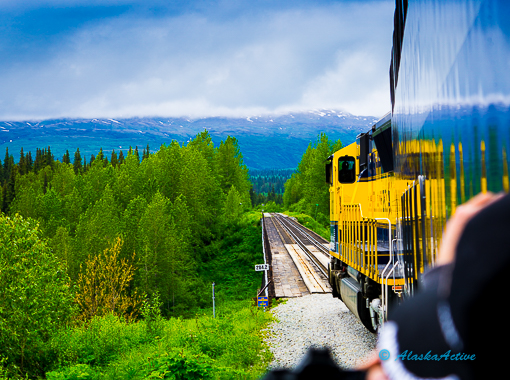
The main line stretches 470 miles from Seward on the Kenai Peninsula north to Fairbanks, with Anchorage as the central hub. Key stops include:
🔹 Coastal Classic: Runs between Anchorage and Seward. Famous for winding through the Chugach Mountains and offering views of glaciers.
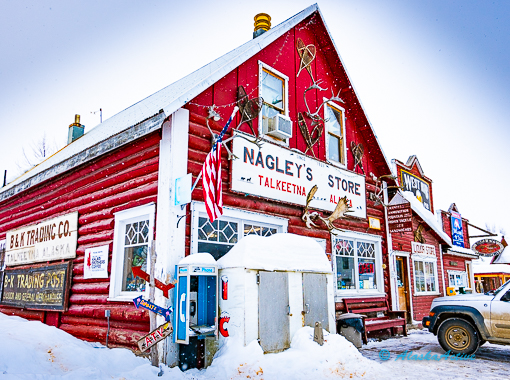
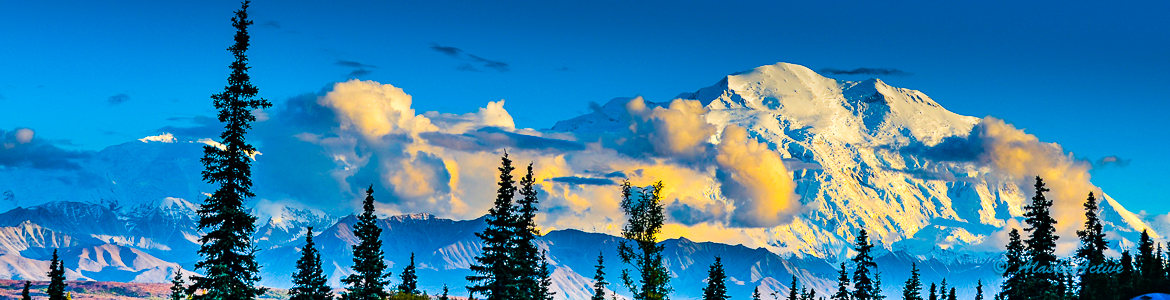
🔹 Denali Star: The flagship train connecting Anchorage, Talkeetna, Denali National Park, and Fairbanks. While catching a clear view of "The Great One" (Denali) is rare and weather-dependent, the route itself is spectacular, crossing the dizzying Hurricane Gulch trestle bridge.
🔹 Glacier Discovery: A shorter route connecting Anchorage to Whittier and Spencer Glacier, a whistle-stop only accessible by rail.
🔹 Hurricane Turn Train: A true Alaskan oddity and one of the last "flag-stop" trains in America. Passengers can wave a white cloth to stop the train anywhere along the route for drop-offs or pick-ups, making it essential for backcountry access.
🔹 Historic Narrow Gauge: White Pass & Yukon Route - Separate from the main rail system, this historic narrow-gauge railway in Skagway is a highlight of Southeast Alaska. Built during the Klondike Gold Rush in 1898, it climbs nearly 3,000 feet in just 20 miles, offering cliff-hanging turns and breathtaking views of the Sawtooth Mountains.
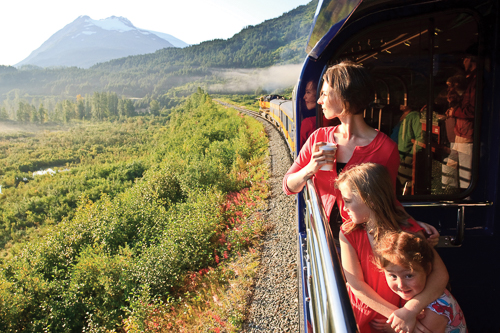
👉 Insider Tip: GoldStar Service: For the ultimate experience, upgrade to GoldStar Service. You get reserved seating in the upper-level glass-dome cars, offering 360-degree views, plus an outdoor viewing platform (perfect for photography without glare) and all-inclusive dining in the lower-level restaurant.
Take a Plane to Reach the True Wild
If In a state where less than 20% of the land is accessible by road, flying isn't just a luxury; it's a lifeline.
Commercial Flights
Alaska Airlines is the primary carrier connecting the major hubs. If you are trying to move quickly between regions - say, from Juneau in the Southeast to Anchorage in Southcentral, or up to Fairbanks - a commercial jet is your best bet. They also serve smaller hubs like Kodiak, Ketchikan, and Bethel.
Bush Planes
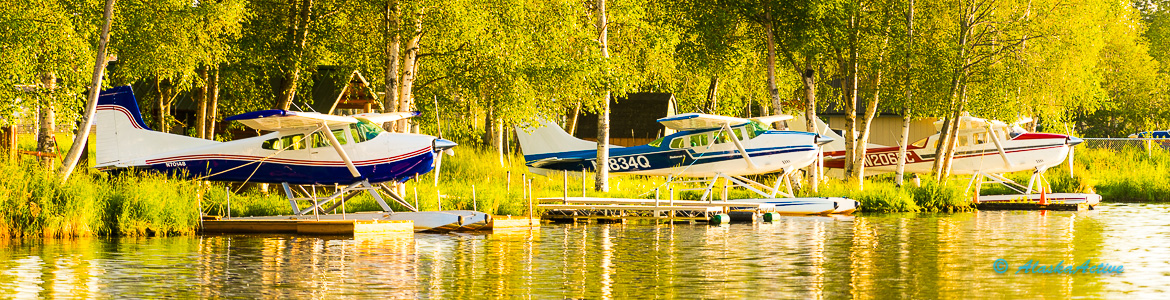
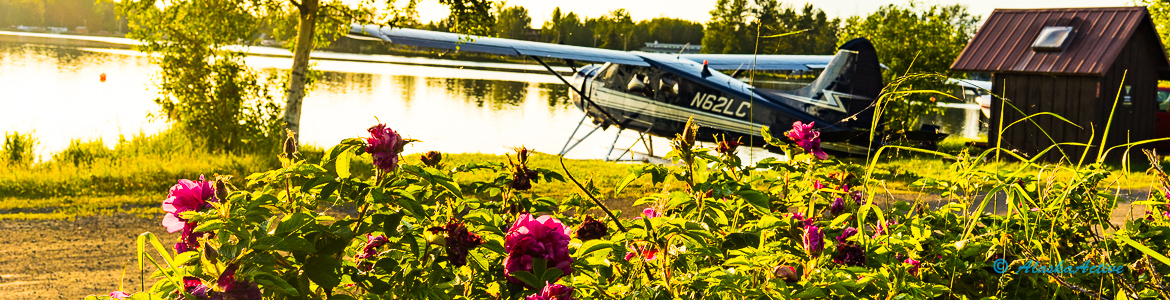
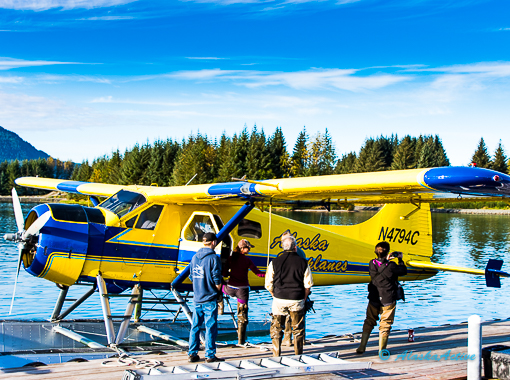
To truly see Alaska, you often have to leave the tarmac behind. Small aircraft, or "bush planes," are the taxis of the North. They are essential for accessing:
🔹 Remote Villages: Many Native villages are not connected by road.
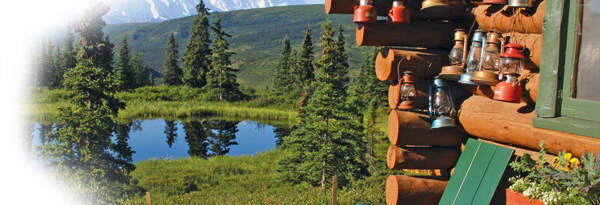
🔹 Backcountry Lodges: Exclusive lodges often require a floatplane landing on a private lake or a wheeled plane landing on a gravel bar.
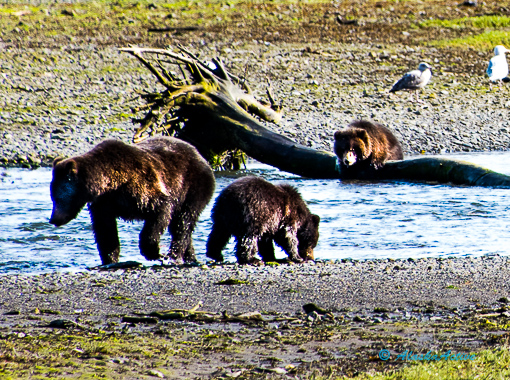
🔹 Bear Viewing: Day trips to places like Katmai or Lake Clark National Park almost always begin with a bush plane flight.
Anchorage's Lake Hood is the world's busiest seaplane base and a sight to behold in itself.
 Hop on a Boat for a Taste of Coastal Life
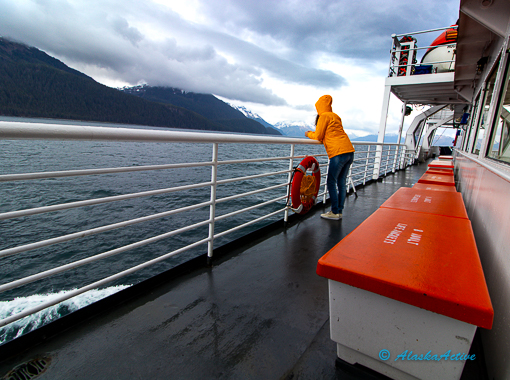
With more coastline than the rest of the United States combined, Alaska is a maritime state. The ocean highways are just as important as the paved ones.
🔹 Alaska Marine Highway System (Ferry)
Known affectionately as the "Blue Canoes," the state ferry system connects communities that roads cannot reaching. It is a lifeline for the Southeast (Inside Passage), Prince William Sound, and Kodiak Island.
The Inside Passage: Ferries run from Bellingham, WA, up through Ketchikan, Juneau, and Skagway. It’s a budget-friendly alternative to a cruise ship, allowing you to disembark and stay in towns as long as you like.
Southcentral: Ferries connect Whittier to Valdez and Cordova, offering stunning views of Prince William Sound.
👉 Insider Tip: Ferry schedules can be complex and change seasonally. If you plan to bring a vehicle, reservations must be made months in advance as deck space fills up quickly in summer.
🔹 Water Taxis & Small Boats
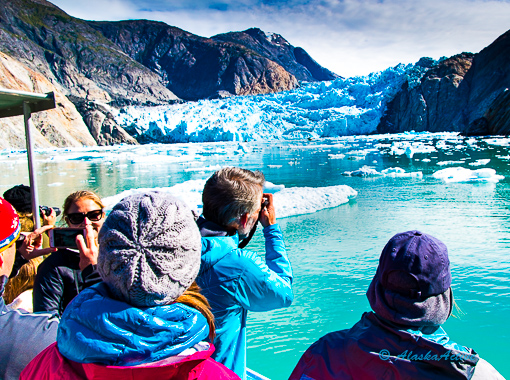
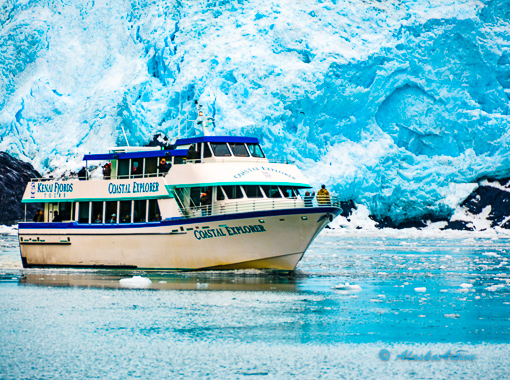
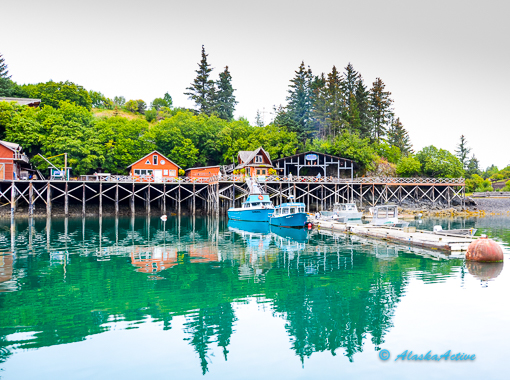
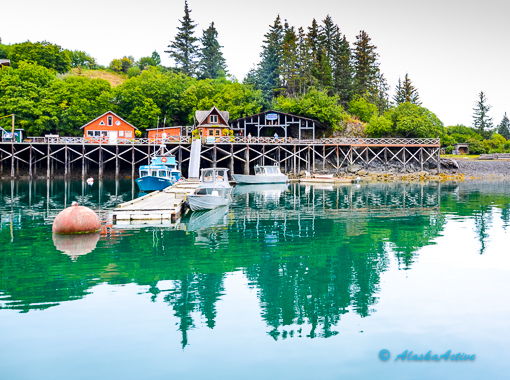
For a more intimate connection to the coast, water taxis are the standard way to reach hidden gems. Across Kachemak Bay from Homer, you'll find the artist enclave of Halibut Cove and the quiet boardwalks of Seldovia—neither of which can be reached by car. These small boat rides often double as wildlife tours, with frequent sightings of otters, puffins, and whales.
Rent a Car to See More of the Country
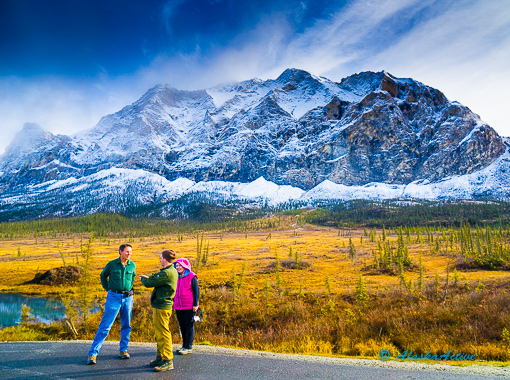
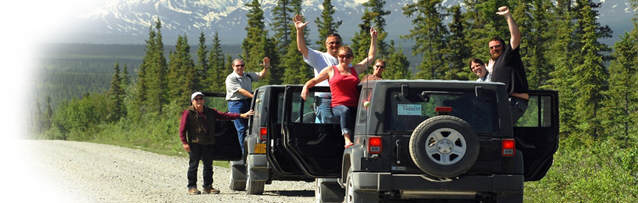
Driving offers the ultimate freedom to explore the "Great Land" at your own pace. With long daylight hours in the summer, a self-drive tour allows you to pull over whenever you spot a moose, find a perfect photo op, or simply want to breathe in the mountain air. While Alaska is vast, the road system is straightforward and generally uncrowded, making for a relaxed and spectacular touring experience.
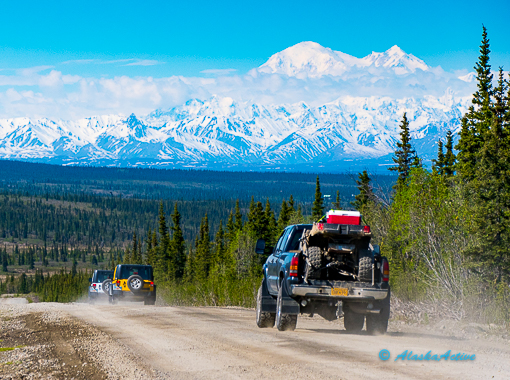
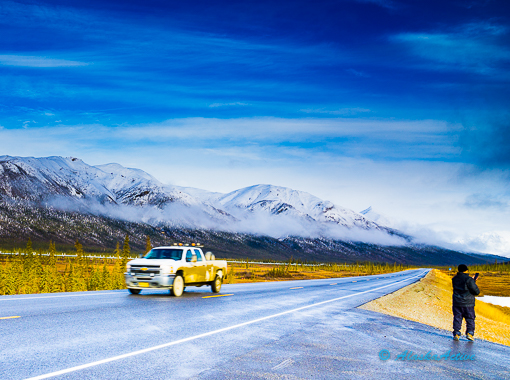
🔹 The Alaska Highway (AlCan): The legendary road connecting the contiguous US to Alaska through Canada. Once a rough gravel track, it is now fully paved and well-maintained-a bucket-list drive that is much more accessible than its reputation suggests.
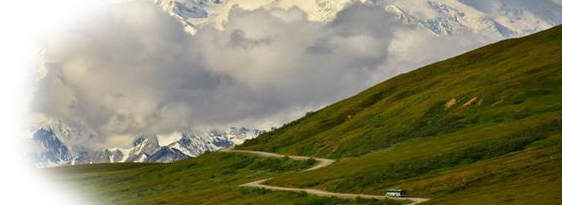
🔹 Scenic Byways: Alaska is home to some of the most beautiful drives in America, such as the Glenn Highway (glacier views) and the Seward Highway (ocean and mountains). Most of our self-drive itineraries focus on these paved, scenic corridors.
🔹 Rental Cars: Renting a car in Anchorage or Fairbanks is the standard way to get around. However, fleet sizes are limited compared to major US cities. Book early-often 6-12 months in advance—to secure the vehicle you want for peak summer travel.
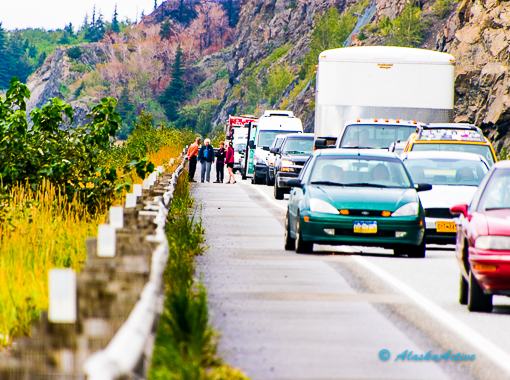
🔹 Road Conditions: Major highways are paved and safe. You may encounter "frost heaves" (gentle dips in the road caused by thawing ground), but these are usually marked with flags. Summer is also "construction season," so occasional stops are just part of the local experience.
👉 Insider Tip: The "Alaska Spare" While most major roads are in good condition, cell service can be spotty in mountain passes. We always recommend checking that your rental vehicle has a full-sized spare tire (and the tools to change it) before you leave the lot. It is a simple precaution that ensures your journey continues smoothly, no matter where the road takes you. Some of Alaska's most famous roads, like the Denali Highway or the Dalton Highway (to the Arctic Circle), are largely gravel. Most standard rental car contracts prohibit driving on these unpaved roads. If you plan to drive them, you must rent from a specialist outfit that allows gravel travel.
 Renting a Motorhome or Camper Van
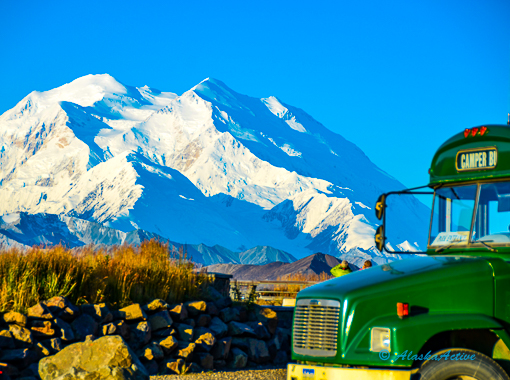
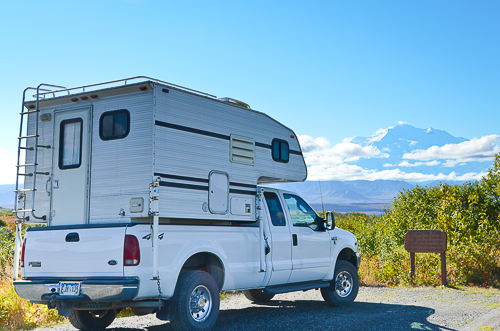
For many, the ultimate Alaska road trip involves bringing your hotel with you. Renting a motorhome or camper van offers the same freedom as a car, with the added convenience of unpacking only once. From compact truck campers perfect for couples to large Class C motorhomes for families, this is a popular way to tour the Great Land.
🔹 The "Home" Advantage: You can cook your own meals using fresh local seafood, save on dining costs, and wake up right next to the scenery-whether that's a riverside pull-out or a beachfront campground.
🔹 Campgrounds: Alaska has a mix of private RV parks (with full hookups like electricity and water) and public campgrounds in State and National Parks (often "dry camping" with no hookups but better views).
🔹 Availability: Just like rental cars, RV inventory is limited. High-quality units book out 6 to 12 months in advance.
👉 Insider Tip: Book Campsites Early While you have the freedom to roam, the best parking spots do not! Prime campgrounds—especially Riley Creek in Denali and the Waterfront Park in Seward—fill up almost instantly when reservations open. If you are renting an RV, plan your route and book your campsites as soon as your vehicle is confirmed.
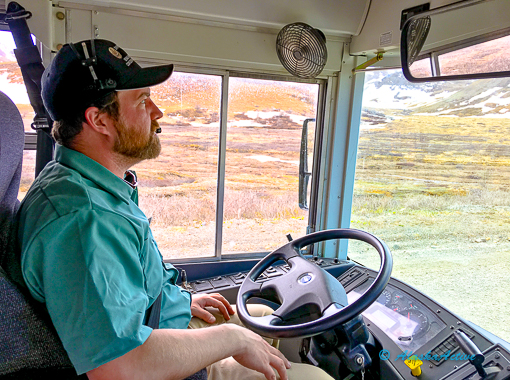 Sit Back on a Motorcoach
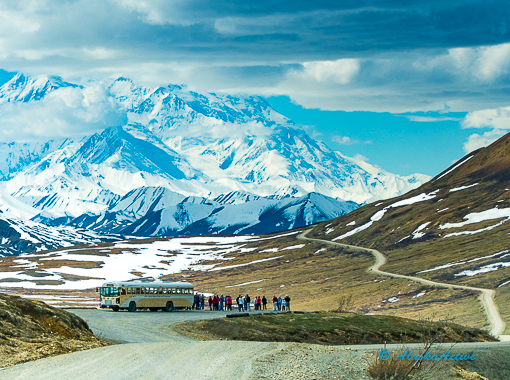
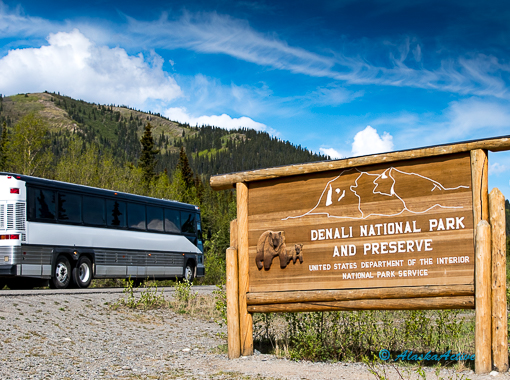
If you prefer not to drive, a network of comfortable motorcoaches connects the "Railbelt" destinations. These are not standard city buses; they are touring coaches designed for sightseeing.
Daily scheduled services connect the major dots: Seward, Whittier, Anchorage, Talkeetna, and Denali. This is an excellent option for cruise passengers looking to extend their land tour. The "Park to Park" connection allows you to wake up in Seward (Kenai Fjords National Park) and go to sleep near the entrance of Denali National Park the same day, a logistics feat that is hard to beat.
Ready to Plan Your Alaska Vacation?
At Alaska Active, we specialize in custom, independent travel experiences. Whether you're looking for an iconic Alaska Railroad journey, a scenic self-drive adventure, or a comfortable coach tour, we handle the details so you can experience the heart of the wild on your own terms - far away from the cruise ship crowds.
Signature Adventure Journeys
Whether you prefer the freedom of the open road or the luxury of the rails, these itineraries showcase the best ways to navigate the Great Land.
 Costs to Consider
 Why Explore by Road ?