

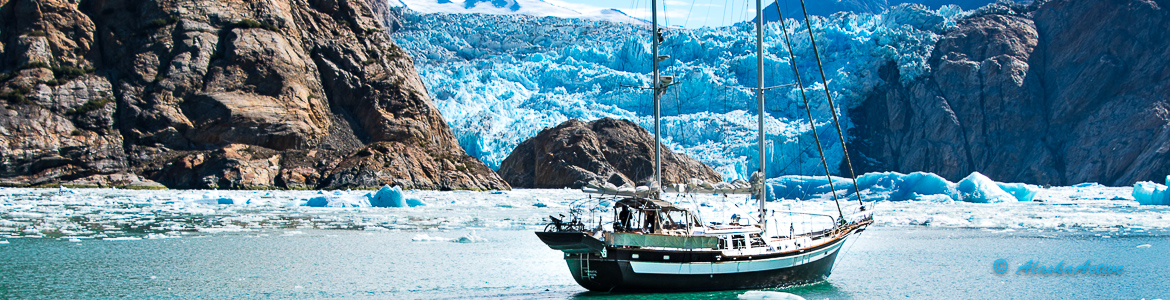

The Ultimate Alaska Road Trip: How Long to Stay & How to Plan
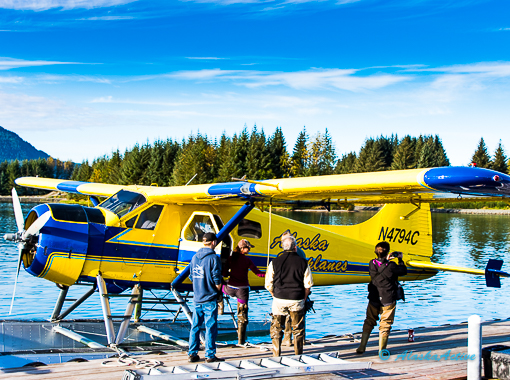
Alaska is truly vast, covering over 660,000 square miles—more than twice the size of Texas. This immense scale is why many travelers choose the "Freedom to Explore" via a road trip. Whether you are navigating the coastal Seward Highway or the rugged Parks Highway, the key to a stress-free adventure is matching your itinerary to Alaska’s unique geography rather than trying to see it all at once.
For a one-week trip, focus on a "Highlights" route. By choosing either the Kenai Peninsula or Denali National Park, you spend less time behind the wheel and more time experiencing world-class hiking and wildlife. If you have 10 to 14 days, you can complete a "Grand Circuit," connecting Anchorage, Fairbanks, and the stunning glaciers of Valdez. Those with three weeks or more can venture into the "Deep North," exploring the Arctic tundra or the remote ferry-access towns of the Southeast.
While driving offers more budget flexibility than a guided tour, keep in mind that "Alaska pricing" applies to the road. Fuel costs rise significantly in remote areas like Glennallen or Coldfoot, and renting a car for a one-way trip often incurs steep drop-off fees. Additionally, while grocery shopping saves on dining costs, prices for fresh staples increase the further you move from major supply hubs. By planning a loop route and stocking up in cities like Anchorage, you can enjoy the ultimate independence of the open road while keeping your budget on track.
How Long Should You Visit Alaska?
Alaska doesn’t do 'small' well, and your itinerary shouldn't either. Realistic timing is your best travel companion; you simply cannot see it all in a week, so choosing a timeframe that matches your must-see list is the first step to a successful trip.
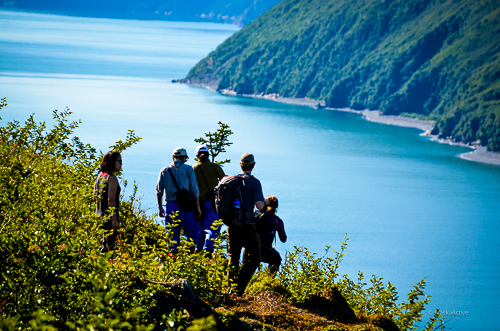
If you have 7–10 Days: The "Highlights" Loop bridge. This is the most popular timeframe for first-time visitors. It allows you to see the "Big Three" without feeling like you’ve spent every waking second behind the wheel.
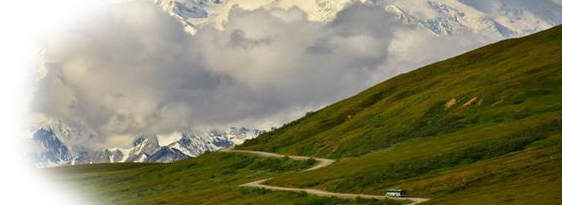
🔹 The Route: Start in Anchorage, head south to the Kenai Peninsula (Seward/Kenai Fjords), then north to Denali National Park.
🔹 What to Expect: World-class hiking, a glacier cruise, and a high chance of seeing the "Big Five" (Moose, Bear, Dall Sheep, Caribou, and Wolf).
If you have 14 Days: The "Grand Circuit"
Two weeks is the "sweet spot" for Alaska. It allows for a slower pace and the inclusion of the stunning Richardson Highway.
🔹 The Route: Add Fairbanks and the port town of Valdez to your loop. This creates a "Golden Circle" route that takes you through the heart of the Alaska Range and down to Prince William Sound.
🔹 What to Expect: More "off-the-beaten-path" experiences, time for a full-day excursion in Wrangell-St. Elias National Park, and extra "buffer days" for weather.
If you have 21+ Days: The "Deep North" Expedition
With three weeks or more, you can truly leave the crowds behind and explore the fringes of the road system.
🔹 The Route: Consider the Dalton Highway (the "Haul Road") toward the Arctic Ocean, or take the Alaska Marine Highway (the ferry system) to explore the remote towns of Southeast Alaska or Kodiak Island.
🔹 What to Expect: Total immersion. You’ll experience the transition from boreal forest to Arctic tundra and have time to connect with local communities.
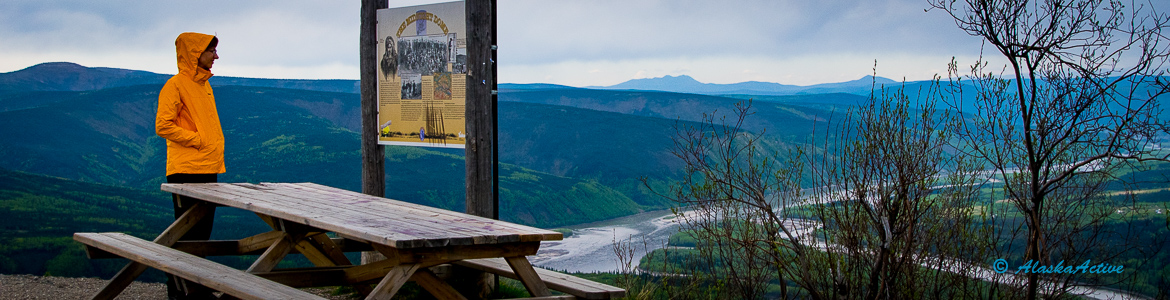
Planning Your Route: 3 Essential Tips
Based on our years of navigating the Last Frontier, keep these three rules in mind when mapping your drive:
1. The "200-Mile" Rule
In the Lower 48, 200 miles is a three-hour drive. In Alaska, between photo stops for moose, construction delays, and frost heaves, that same distance can take five to six hours. Don't over-schedule your drive days.
2. Choose Your Vehicle Wisely
🔹 SUV/Standard Car: Best for the paved "Main" highways. It’s fuel-efficient and easy to park in busy areas like Seward or Talkeetna.
🔹 RV/Motorhome: Offers the ultimate freedom to wake up in the wild, though it requires more advanced planning for campsites during the peak summer months.
3. Factor in "Alaska Time"
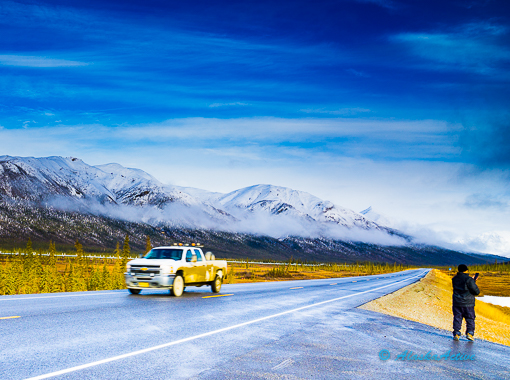
In the North, the landscape dictates the pace. While the "Midnight Sun" offers nearly 20 hours of daylight to explore, summer is also "orange cone season," where road construction can cause significant delays. You must also account for the "bear-jam"—traffic coming to a standstill as travelers pause to watch wildlife near the road. Because Alaska weather is unpredictable, always build "wiggle room" into your itinerary. We recommend adding one or two extra days as a buffer for rain or fog. This ensures that a weather delay doesn't force you to miss your most anticipated adventures.
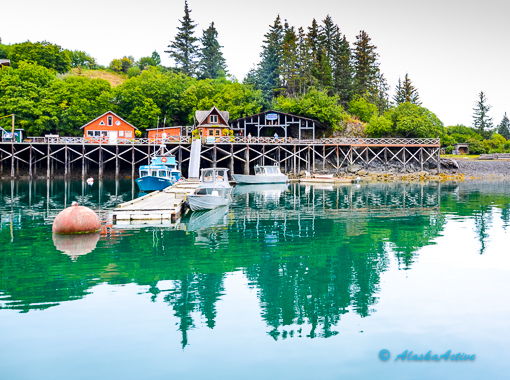 Costs to Consider
A road trip is often the most cost-effective way to see Alaska, especially for groups of three or more, but "Alaska pricing" works a bit differently than in the Lower 48. Here is a deeper look at those three critical cost factors to help you budget accurately:
🔹 Fuel: The "Remote Premium": While gas prices in Anchorage or Fairbanks might only be 15–20% higher than the U.S. average, the price gap widens significantly as you head into the interior. The Regional Shift: Currently, expect to pay standard Alaska rates ($3.45–$3.75/gallon) in major hubs. However, in "gateway" towns like Glennallen or along the Dalton Highway (Coldfoot), prices can jump by $1.00 to $2.00 more per gallon due to the immense cost of trucking fuel into the wilderness. Pro Tip: Never let your tank drop below half. In Alaska, a "Gas Next 100 Miles" sign is a literal warning, not a suggestion.
🔹 The Freedom of One-Way Travel
While many travelers feel restricted to starting and ending their journey in the same city, a road trip with Alaska Active offers the flexibility to explore further. We provide the convenient option of one-way rentals, allowing you to traverse the state without back-tracking over the same ground. This is particularly useful if you want to experience the interior and then catch a ferry or cruise from coastal hubs.
Unlike many standard car rental agencies that charge steep penalties for different drop-off locations, our one-way fees are kept accessible, typically ranging between $200 and $300. This opens up incredible itinerary possibilities, such as starting in Anchorage and ending your drive in unique locations like Juneau, Haines, or Skagway. This freedom allows you to maximize your time in the wilderness and see more of the Great Land on your own terms.
🔹 Dining: The Logistics of Lunch
In Alaska, "fresh" often means "flown in." This is reflected in the menu prices once you leave the major supply hubs.
Restaurant Reality: Budget roughly $20–$30 for a casual lunch and $40–$75 for a mid-range dinner per person. If you're eyeing Alaska King Crab, expect market prices to sit between $85–$115 per pound in 2026.
The Grocery Strategy: A gallon of milk or a head of lettuce in a remote village can cost double what it does in Anchorage. Action Plan: Stock up at the Costco or large supermarkets in Anchorage before you head out. A $150 "stock up" run can save you $400 in dining costs over a week-long trip.
Picnic with a View: The best "dining room" in Alaska is usually a pull-out overlooking a glacier. Buying sandwich supplies and a cheap cooler is not just a budget move—it’s the best way to ensure you don’t miss a wildlife sighting because you were stuck inside a cafe.
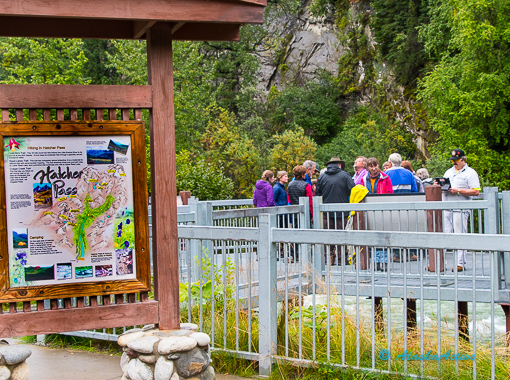 Why Explore by Road ?
There is a specific magic to the Alaska road system that simply cannot be replicated by any other mode of travel. It is the profound sense of autonomy that comes from being the master of your own schedule, with the ability to pull over whenever you see a glacier glowing in the distance or a bald eagle perched on a fence post. While a cruise or a train offers a fixed perspective, a road trip allows you to linger at a scenic overlook for an hour or take a spontaneous detour down a gravel road just to see where it leads.
By choosing the right timeframe and a well-planned route, you aren't just seeing Alaska—you’re experiencing it on your own terms. This independence allows you to follow your curiosity into the heart of the wild, whether that means stopping for a fresh salmon lunch at a roadside shack or adjusting your pace to witness a late-evening sunset over the Alaska Range. Driving yourself creates a bridge between you and the landscape, turning every mile into a personal discovery rather than a pre-determined destination. This deeper level of immersion fosters a personal connection with the Great Land that stays with you long after the journey ends, leaving you with memories that feel uniquely yours.
Ready to Plan Your Alaska Vacation?
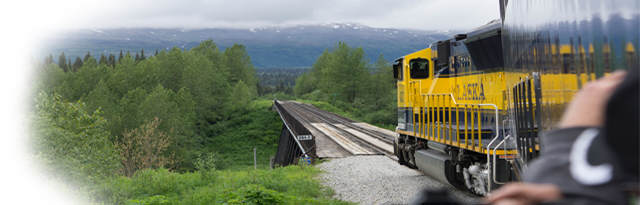
At Alaska Active, we specialize in custom, independent travel experiences. Whether you're looking for an iconic Alaska Railroad journey, a scenic self-drive adventure, or a comfortable coach tour, we handle the details so you can experience the heart of the wild on your own terms - far away from the cruise ship crowds.
Signature Adventure Journeys
From coastal wonders to interior highlands, these itineraries offer the perfect roadmap for your ultimate alaskan expedition.