Slide background
Slide background

IDIA06 Iditarod Race & Alaska Winter Adventure

  • end: Fairbanks
  • map/image selection: Map
  • Code: IDIA06

IDIA06 Iditarod Race & Alaska Winter Adventure in 2027

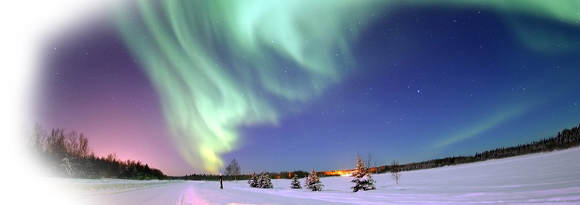
This 10 day adventure tour combines the highlights of the Iditarod Trail Sled Dog Race, a scenic trip on board the Alaska Railroad via Talkeetna to Fairbanks. Talkeetna retained much of the turn-of-the 20th-century gold mining flavor and offers many outdoor winter adventures, such as cross-country skiing, snow machining, and sled dog rides. Your tour starts in Anchorage where you’ll witness the Iditarod ceremonial race start on the snow covered Anchorage’s 4th Avenue, the restart activities in Willow and the extremely scenic checkpoint flight to Rainy Pass within the magnificent Alaska Mountain Range. Fly up the Iditarod Trail to the 4th checkpoint at Rainy Pass Lodge. Experience the race action as the mushers and their dog teams arrive at the checkpoint and take care of their huskies. View the Alaska Aurora Borealis in all its glory as you gaze upon the Northern Lights at Chena Hot Springs Resort. Relax in natural outdoor hot springs pool, visit the ice museum, join a sled dog ride and enjoy the many winter festivities Fairbanks has to offer. Take a look at the detailed day-by-day itinerary to get a feel for the experience, and don’t miss our complete Iditarod Guide for helpful background and tips. We’re happy to customize this itinerary to suit your needs. 

  • Itinerary

  • Prices & Dates

  • Attractions & Add-ons

  • Accommodation

  • Map

  • Tour Info & FAQ

  • Iditarod Race FAQ

  • Reviews

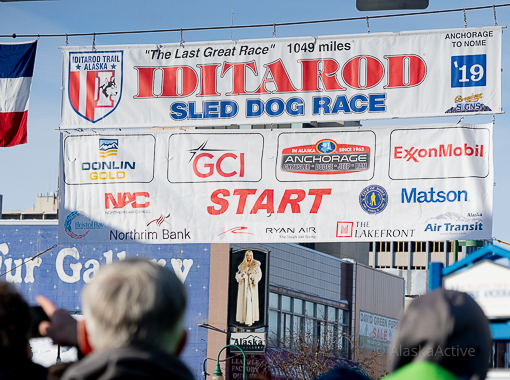
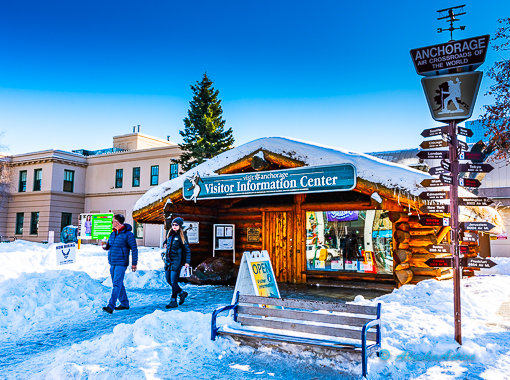
Anchorage Iditarod Race Start Sign

Anchorage (Mushers Banquet) ( Overnight: Anchorage )

Welcome to Anchorage! Check in to your hotel in downtown Anchorage.  At 4:00 PM doors open for the Musher Meet & Greet at the Dena'ina Center. The program and Mushers banquet dinner begins at 6:00 PM. Main part is the annual banquet fundraiser and drawing for the official start order. The banquet celebrates the mushers who are about to take part in the race. Attendees can help raise funds for the Iditarod via a robust live and silent auction while enjoying a 3-course meal and watching the mushers take the stage to draw for their official start order. This is a must for anyone interested to observe "The Last Great Race on Earth" for the first time. Participants have plenty of photo opportunities, good chances to meet and talk with the Iditarod Musher personally and collect autographs. 

Anchorage Winter City Sightseeing

Anchorage (City Sightseeing Tour) ( Overnight: Anchorage )

Your 3 hr Anchorage sightseeing tour starts at historic Ship Creek, where Anchorage was born as a tent city. This is also the location of the rail terminal for the historic Alaska Railroad. Check out this year’s snow sculptures and vote for your favorite. Next we’ll travel through Bootleggers Cove, stopping for a walk in Earthquake Park where you’ll see signs of the 1964 earthquake. Then, we’ll take a drive around Lake Hood, home to the world's busiest seaplane base! Following this stop, you'll visit the incomparable Turnagain Arm and Beluga Point. Take in the majestic scenery and scout for Beluga whales and Dall sheep. Your journey continues into Potter's Marsh, the Anchorage Coastal Wildlife Refuge, a visit to Chugach State Park and the stunning vistas of Flattop Mountain.

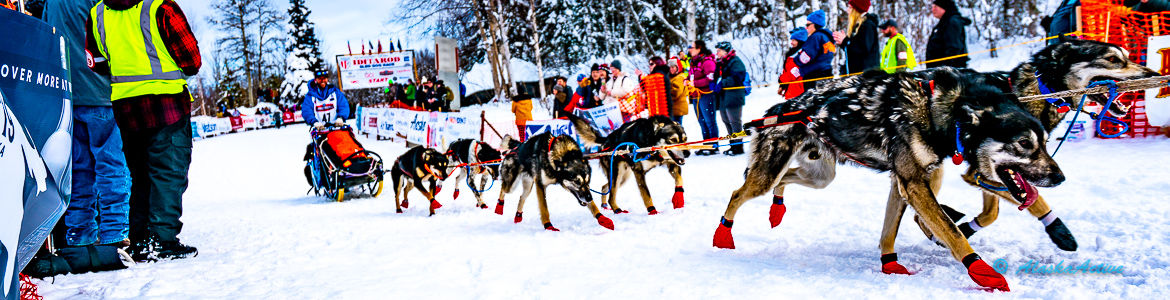
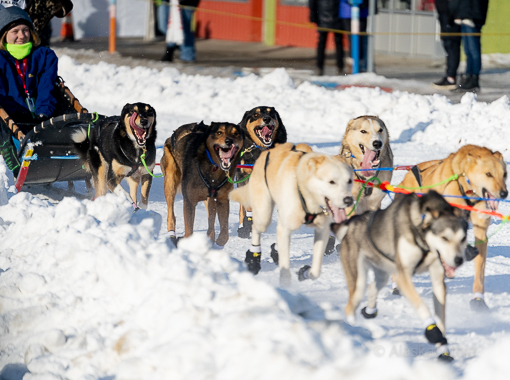
Sled dog team at the Iditarod Race Start Anchorage

Anchorage (Iditarod Ceremonial Race Start) ( Overnight: Anchorage )

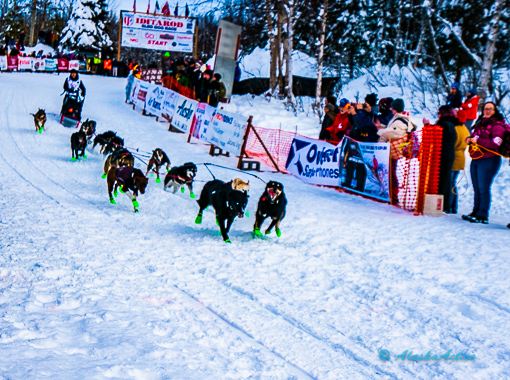
The legendary Iditarod Race starts at 10 AM on 4th. Avenue in Anchorage. Observe the start preparations, take close up pictures from about 40 Mushers, over 700 Sled Dogs and enjoy the bustling and exciting race atmosphere before the teams are leaving from the starting line for the "1050 mile race to Nome". Anchorage parks and green belts are providing also a great alternative to observe the race activities. The Balto Statue marks the ceremonial starting point of the Iditarod. Balto was the final lead sled dog in a relay of dogsleds that brought vaccine from Anchorage to Nome just in time to stop a diphtheria epidemic in 1925. The story of the sled dog relay is a classic tale of adventure and sacrifice, as mushers risked their lives in brutal conditions to save their fellow citizens.

Iditarod Start Willow

Anchorage (Iditarod Race Start Willow) ( Overnight: Anchorage )

After breakfast board the motorcoach for a guided tour to the official Iditarod Race Start in Willow. Enjoy the drive along the scenic Glenn Highway with a brief stopover in Wasilla. Continue to Willow where the Iditarod restart ceremony begins at 2:00 PM. Enjoy the busy and bustling Iditarod race atmosphere and the mushers final preparation. For mushers, thousands of cheering fans at the official race restart -- following Saturday's ceremonial start in Anchorage -- now give way to remote Alaska wilderness and the promise of a finish line in Nome some 1,000 miles away, but not before crossing a trail that may prove perilous for both mushers and dogs. Return to Anchorage approximately 6:00 PM.

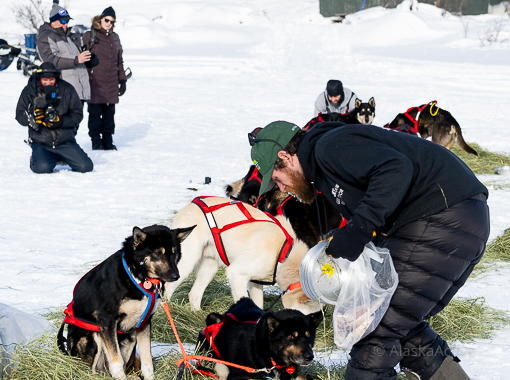
Musher feeding dogs at Rainy Pass Lodge

Anchorage (Rainy Pass Checkpoint Day Tour) ( Overnight: Anchorage )

Experience a premier Alaska flightseeing tour with a morning ski-plane fly-out along the majestic Alaska Range. This breathtaking journey takes you to the remote Rainy Pass checkpoint, a critical gateway to the Alaska interior and one of the most scenic spots on the Iditarod Trail. Spend the day immersed in the wilderness, watching Iditarod mushers and their sled dog teams arrive and rest before they tackle the rugged mountain crossing. This exclusive Iditarod adventure allows you to witness the raw spirit of the Last Great Race far from the crowds in a photogenic, high-alpine setting. After observing the teams, enjoy a hearty lunch at the historic Rainy Pass Lodge before your late-afternoon return flight to Anchorage.. 

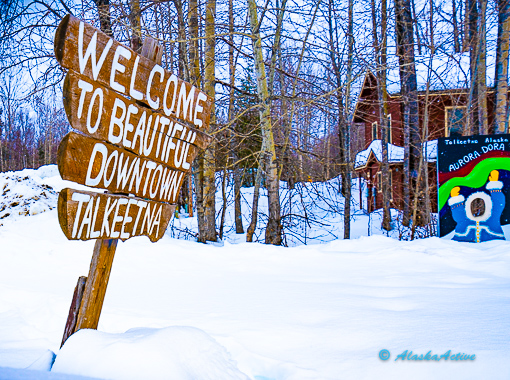
Talkeetna Welcome Sign

Anchorage – Talkeetna | by Alaska Railroad ( Overnight: Talkeetna )

Depart Anchorage at 8:30 AM for a scenic rail tour to Talkeetna on board the Alaska Railroad. Passengers may enjoy the winter wonderland of Alaska’s backcountry from the comfort of a warm railcar, complete with comfortable seats, large picture windows and onboard dining. On a clear day, a spectacular view of Denali rises into view above the Susitna River. And anywhere along the tracks, a watchful eye may be rewarded with the sight of a moose in the wild. Arrive in Talkeetna and transfer to a beautiful mountain lodge with breathtaking views of Mt. Denali. Watch the Aurora Borealis at night dancing on the northern sky.

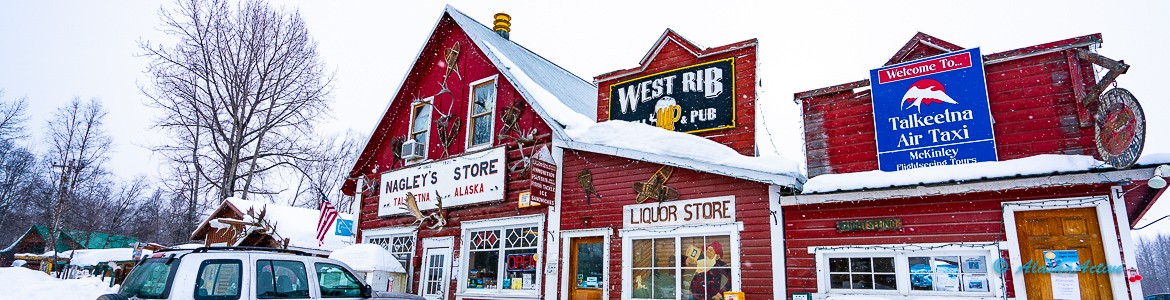
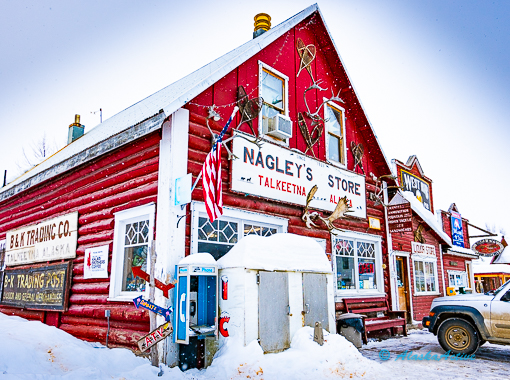
snowcovered Talkeetna Roadhouse

Talkeetna ( Overnight: Talkeetna )

As turn-of-the-20th-century gold-mining center, Talkeetna has retained much of its early Alaska flavor. Log cabins, a roadhouse and clapboard storefronts line the dirt streets. Talkeetna is a small little hamlet, which bustles in the summer with lots of tourists, outdoor activities and mountain climbers. Although in the winter it is much quieter, there are many outdoor adventures available, such as cross-country skiing, snow machining, and sled dog rides. You might even choose to take a sightseeing plane ride to see Mt. Denali up close and personal. With the colder temperatures and dark skies, you can see the Northern Lights up-close and personal right above your lodge and atop the Alaska Range. We’ll even give you a wake-up call during the night, so you don’t miss the spectacular views!

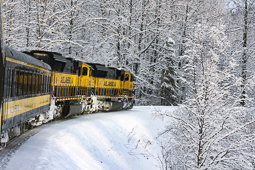
Aurora Winter Train

Talkeetna - Fairbanks | by Alaska Railroad ( Overnight: Fairbanks )

Board the Alaska Railroad at 11:15 AM and enjoy the scenic ride via Denali National Park to Fairbanks. Have your camera ready as the train crosses Hurricane Gulch Bridge, 300 feet above the creek. You'll get fantastic views of the snow covered Alaska Mountain Range and a glimpse of Denali National Park before arriving in Fairbanks at 8:00 PM. Transfer to your hotel near the banks of the beautiful Chena River. Known as the Golden Heart City of Alaska, Fairbanks is tucked into miles of unexplored wilderness only 120 miles from the Arctic Circle. Fairbanks offers many winter activities; from the Open North Sled Dog Race Championship to the World Ice Art Championship - Ice Alaska. Optional: Northern Lights Viewing Tour to a lodge outside Fairbanks.

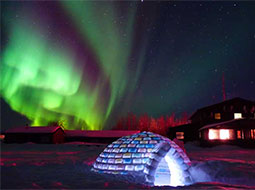
Chena Northern Lights Tour

Fairbanks (Chena Aurora Viewing Tour) (Overnight: Fairbanks)

Enjoy a full day at leisure in Fairbanks. Take the opportunity to join a sled dog tour, try ice fishing, or visit the Alaska University Museum. At 5 PM you'll be picked up from your hotel for your visit to Chena Hot Springs Resort, 60 miles northeast of Fairbanks. The large heated mineral indoor pool, the outdoor rock lake (adults only) and numerous hot tubs are providing a great opportunity to soak, swim or rejuvenate until the Northern Lights appear in the evening. Included is the visit to the famous Aurora Ice Museum and Stoli Ice Bar. Dine at the restaurant serving everything from hamburgers to Alaskan King crab, or choose to join the free geothermal tour. Enjoy Northern Lights viewing opportunities after darkness at Chena Hot Springs Resort. Return to Fairbanks between 3 and 4 AM.

Alaska Winter Tour

Fairbanks

This morning you have time to visit the Alaska University Museum with the States largest collection of gold nuggets, gold mining history and Alaskan heritage artefacts and the nearby Geophysical Institute - recognized as the best in the world for its Aurora Borealis research activities. You may join a Bush Mail Plane Flight to a remote native village above the Arctic Circle. Downtown Fairbanks offers a variety of excellent gift shops and art galleries such as the "Rose Berry Art Gallery" with some tasteful items for your friends at home. Stroll through downtown before returning to the airport for your individual flight home. Tour extension is available upon request.

Rates in US $ / per Person
Comfort Hotel Category Single Double Triple Quad Child
March 4 - March 13 $4199 $3332 $3128 $3025 $2246
First Class Hotel Category Single Double Triple Quad Child
March 4 - March 13 $4962 $3714 $3340 $3170 $2246

What’s included

9 Nights Comfort or First Class Hotel Accommodation

Local Taxes

Mushers Banquet Ticket, Meet & Greet including Dinner

Anchorage City Sightseeing Tour

Iditarod Restart Tour to Willow

Flightseeing Day Tour to Rainy Pass Checkpoint including lunch

Alaska Winter Rail Tour from Anchorage – Talkeetna

Alaska Winter Rail Tour from Talkeetna – Fairbanks

Reserved Seats

Fairbanks: Chena Northern Lights Viewing Tour including Ice Museum 

Talkeetna and Fairbanks Airport & Railroad Station Transfers

Sightseeing Information

Tour Documentation

Tour Departures

March 04 - March 13, 2027

Matanuska Glacier Walk

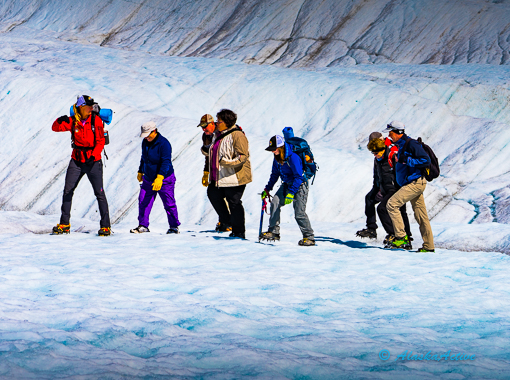
The Matanuska Glacier is a stable 27 mile long river of ancient ice. Thousands of years old, this massive glacier is tucked up into the Matanuska Valley. You spend 2 h. on the glacier learning how the glacier has formed the landscape in the Matanuska Valley. Explore blue meltwater pools, the ice formations and deep crevasses that make up the Matanuska Glacier. Walking on ice is slippery fun so our guests are equipped with a helmet, walking stick and cramp on for your shoes. This tour requires a walk of 1.5-2 h. In these winter months, we will actually have the assistance of a snowmachine. Of course, our fully-guided transportation includes a pick up at your hotel in Anchorage as well as water and snacks in the touring vehicle. We will also stop for lunch where we will overlook the glacier while enjoying some yummy Alaskan fare

More Details & Pricing


Alaska Winter Dog Sled Adventure - 2 hrs 

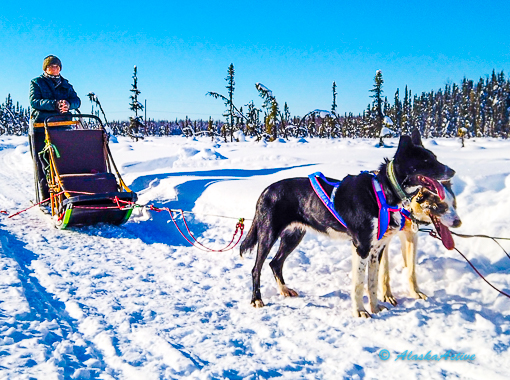
Experience the ultimate Alaska adventure with our #1-rated Dog Sled tours! Located near the iconic Iditarod restart in Willow - 70 miles north of Anchorage, we invite you to delve into the magic of dog sledding, a quintessential experience in the Last Frontier. From the moment you step into our kennel, you'll be greeted by retired sled dogs eager to share their stories. Every dog is considered part of our family, and this bond is palpable as you embark on your dog sled tour. Witness the enthusiasm and camaraderie as dogs in their prime lead you through Alaska's winter trails, each holding a special place in our team. Join us for an unforgettable outing, complete with outfitting, trail tales, and the chance to ride in a custom sled or even help drive! Be part of the excitement and give our dogs the love they deserve. Tour times are 10 AM, 12 PM, 2 PM

More Details & Pricing


Alaska Snowmobile Adventure 

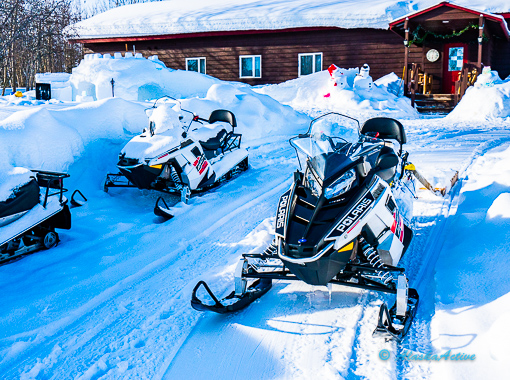
Experience the thrill of riding snowmobiles in the wild backcountry of Alaska with opportunities to see wildlife, breathtaking views of Denali, and of course plenty of charging through the powder. Whether you’re a first-time rider or have more experience, our trails cover a wide variety of terrain from twists and turns to snow-covered forests and mountains that will keep you smiling all day long. Located just over an hour from downtown Anchorage, we have hundreds of miles to ride in Willow. Our tours take you from trail riding to exploring powder-covered fields on the Iditarod Trail, or climbing up the Talkeetna Mountains on Hatcher Pass. We’ll build your skills as we go and help you feel confident to ride like a champ as we get you into the best spots in Alaska! 3 hr Duration. Optional shuttle from Anchorage: add $100 per person

More Details & Pricing


Prince William Sound Glacier & Wildlife Cruise

A rich variety of wildlife thrives year-round in Prince William Sound, and you can cruise these spectacular waters in the comfort of our spacious heated cabins. Winter is no obstacle to your enjoying the beauty of alpine glaciers, jagged shorelines and towering rocky outcroppings through our vessels' large picture windows. We commonly see Steller sea lions, sea otters, Dall's porpoise, and perhaps even Orca or Humpback whales. There is also a variety of ducks and waterfowl present at this time of the year. Join the 3 1/2 hr cruise to see the massive tidewater glaciers of Alaska at Blackstone Bay and Beloit Glacier - some of the most amazing sights you will ever see. Cruise along Passage Canal and venture into magnificent Blackstone Bay, home to seven glaciers and Yosemite-scale waterfalls. During our adventure you’ll step ashore to experience the natural geology and thick rainforest. Enjoy a snack and hot drink as you reflect on your journey and this magnificent nook of Alaska.

More Details & Pricing

h

Iditarod Sled Dog Race FAQ: Your Questions Answered

Iditarod sign in downtown Anchorage

Planning a trip around the Iditarod often comes with a lot of questions — and these are exactly the ones our guests ask us most often. From understanding how the Iditarod race works, to where to watch it, how to get around Alaska in winter, and what to expect from the dogs and mushers, there are many details that can make a big difference to your experience.

We’ve gathered the most common questions we receive and answered them here, based on real conversations and our experience organizing Iditarod trips. Our goal is to make your planning easier and help you feel confident and well prepared before you arrive. Traveling in Alaska during winter is a unique experience, and knowing what to expect allows you to enjoy every moment of the race and the surrounding landscapes.If you have additional questions, our team is always happy to share personal advice, practical tips, and recommendations tailored to your travel plans.


Why was the Iditarod Trail Sled Dog Race created?

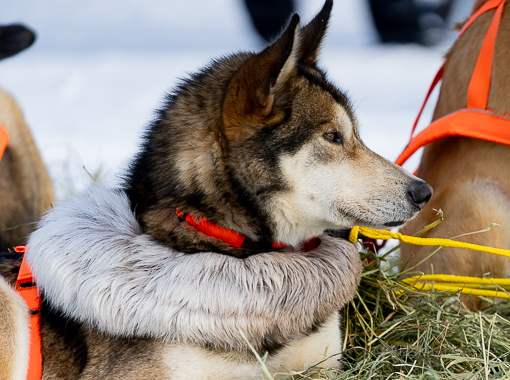
Iditarod sled dog restingFor thousands of years, sled dogs were the backbone of life in the North, used by Indigenous communities for travel, trade, and survival in harsh winter conditions. As newcomers - including settlers, prospectors, and trappers - arrived in what is now Alaska and northern Canada, they quickly relied on dog teams as well. During the gold rush era, these teams became essential for moving mail and supplies between remote camps, especially in winter.

One of the most important routes was the Iditarod Trail, stretching from Seward to Nome across Alaska. Its significance became undeniable in 1925, when a diphtheria outbreak threatened Nome. With no roads, blocked sea routes, and unsafe flying conditions, dog teams carried lifesaving serum across 674 miles in a relay from Nenana. The story is often linked to Balto, one of the lead dogs in the final stretch.

As technology advanced in the mid-20th century, snowmobiles, aircraft, and road systems gradually replaced sled dogs. Fearing that this tradition would fade away, Joe Redington Sr. and fellow mushers organized a race along the historic trail. First held in 1973, the Iditarod Trail Sled Dog Race has since grown into the world’s most recognized sled dog race, keeping this unique heritage alive.


Are there two different trails ?

Only a section of the trail changes each year - roughly 300 miles in the middle.Iditarod Trail Map
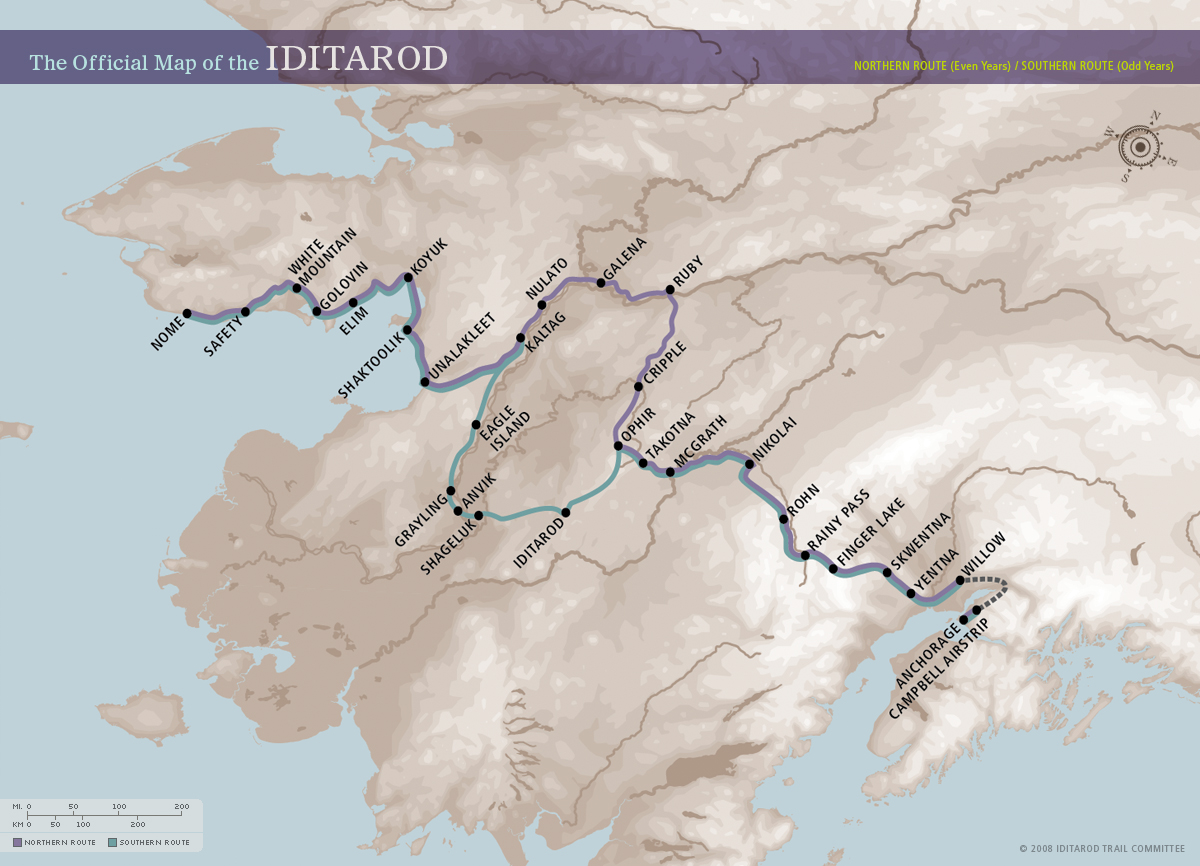
From the start to Ophir, and again from Kaltag to the finish in Nome, the route stays the same every year. The variation happens between Ophir and Kaltag, where two alternate paths are used.

In even-numbered years, the Northern Route is followed. From Ophir, the trail heads north to Ruby, reaches the Yukon River, and continues along it to Kaltag. In odd-numbered years, the Southern Route is used. This path goes south from Ophir, passes through the historic ghost town of Iditarod, and connects with the Yukon River near Anvik before turning upstream toward Kaltag.

After Kaltag, all mushers rejoin the same trail to the finish. For a clearer overview, see the official Iditarod Trail Map.


How many mushers take part in the Iditarod Trail Sled Dog Race?
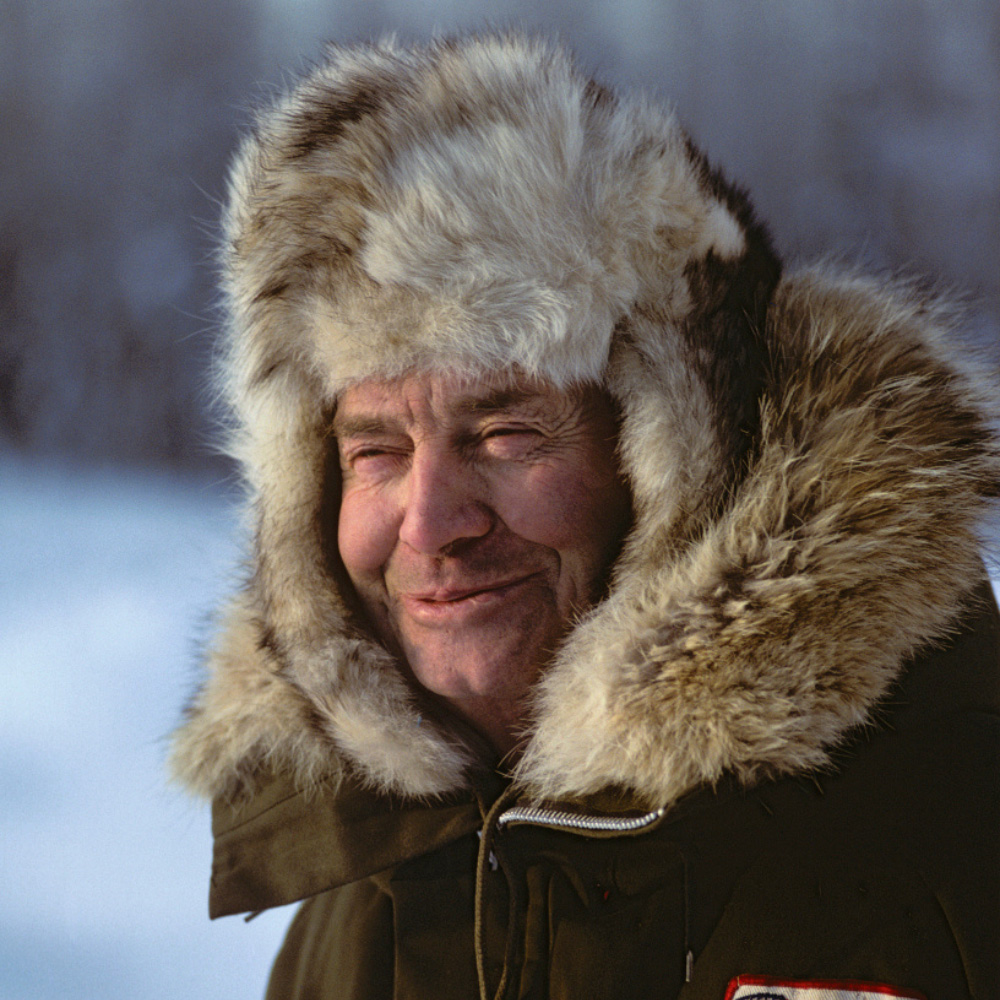
Iditarod Founder - Joe Redington

Around 30 to 40 mushers currently take part in the Iditarod Trail Sled Dog Race. In recent years, the start field has been noticeably smaller, reflecting a broader trend of declining participation compared to earlier decades. The dip in numbers usually comes down to the sheer cost and commitment required. Running a competitive kennel means spending tens of thousands of dollars on high-quality food, veterinary care, and gear, which is tough to sustain without major corporate sponsorships. Climate change has also made training more difficult, with unpredictable ice conditions and shorter winter windows. Because the race is so grueling, many younger mushers are sticking to shorter regional circuits rather than the full thousand-mile trek to Nome.

Historically, the race was much larger. The largest number of musher ever to start the Iditarod was in the 2000 race when 82-musher left the starting line. The most to ever finish was in 2004 when 77-musher successfully made it to Nome.  


Who is allowed to compete in the Iditarod?

Entering the Iditarod requires more than just a dog team; you have to prove you can handle the Arctic. Any musher at least 18 years old can apply, but rookies must first complete three qualifying races—two 300-mile runs and one 150-mile run—to demonstrate their survival and dog-care skills. Alternatively, finishing the Yukon Quest also counts as a qualifier.
Beyond the mileage, you need a written reference from a veteran musher and must pass a rigorous background check regarding animal care. Interestingly, the 2026 race introduced a non-competitive "Expedition Class" for experienced mushers who want to travel the trail without the strict pressure of the official standings.


Do women compete in the race?
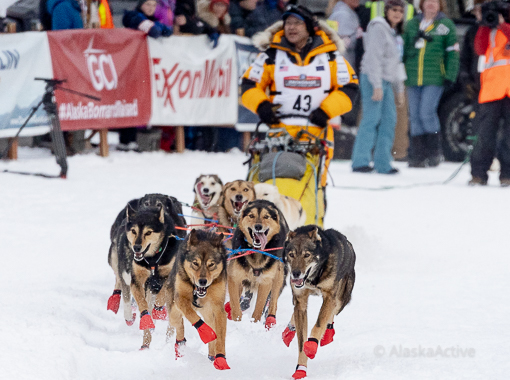
Musher at the Willow Restart

Yes, women have long been part of the Iditarod Trail Sled Dog Race - and they’ve won it, too. Women have competed in every race since 1974, and today around a dozen typically take part each year.

Libby Riddles made history in 1985 as the first woman to win, pushing through severe storm conditions. Susan Butcher followed with four victories in 1986, 1987, 1988, and 1990, becoming one of the race’s most legendary champions.

Their dominance in the mid-1980s even inspired the popular saying:
“Alaska: Where men are men and women win the Iditarod.” The line became especially well known as a T-shirt slogan that sold very well at the time.  

In the most recent races, 12 women were in the starting field, including veterans like Jessie Royer and Michelle Phillips, as well as Jody Potts-Joseph, who became the first Gwich'in woman to compete.
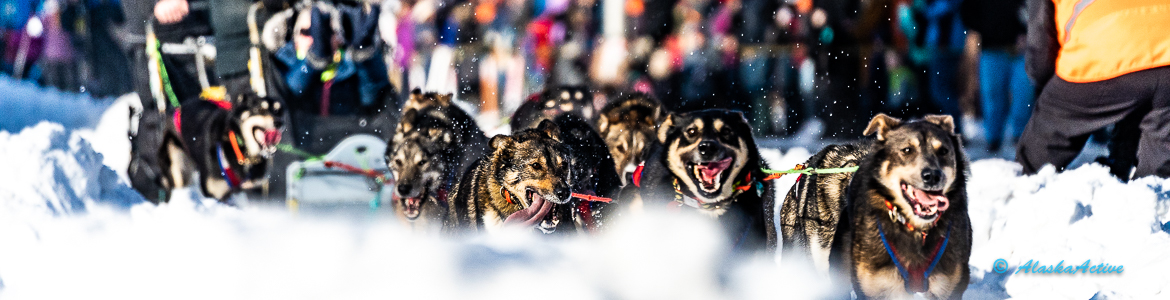


Does the Iditarod Trail Sled Dog Race have checkpoints along the route?

The race route includes a network of about 26 checkpoints between the start in Wasilla and the finish in Nome. These vary widely - from private homes along rivers and remote cabins to small villages and historic ghost towns. Some are simply basic landing areas where planes bring in officials, supplies, and set up temporary facilities. Checkpoints act as the main hubs of activity during the Iditarod Trail Sled Dog Race. Veterinarians, race officials, and food supplies for both mushers and dogs are all stationed there. When a team arrives, it is checked in and the arrival time, date, and number of dogs are recorded. Mushers are then directed to camping areas, food drop bags (where applicable), and water sources if available. Teams don’t have to stop at every checkpoint - some pass straight through, while others pause to rest depending on their race strategy.

A few checkpoints, such as Rainy Pass and Nikolai, are relatively accessible by small aircraft, making them popular viewing spots for visitors. You can also experience parts of the race up close on a dedicated Iditarod Checkpoint Tour.


Is the route clearly marked, or do mushers have to navigate it on their own?
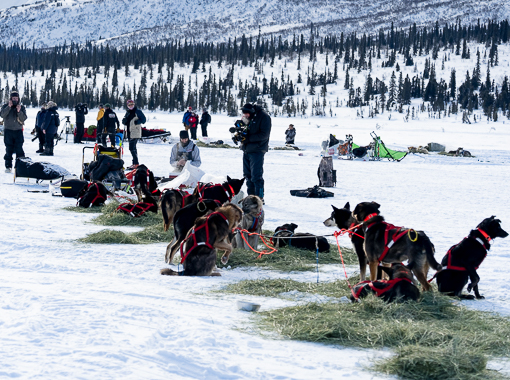
Iditarod musher arriving in Rainy Pass

The trail is carefully marked, but navigation skills are still essential. Each year, dedicated trail breakers create by snowmobile a roughly 1,000-mile winter route across Alaska, placing around 10,000 wooden stakes topped with bright orange markers and reflective tape. In more exposed areas - such as the Alaska Range and along the Bering Sea coast - additional markers like ribbons and tripod structures help guide the way.

Rules require mushers to stay on the official trail of the Iditarod Trail Sled Dog Race. However, conditions can change quickly. Strong winds, drifting snow, wildlife, and passing teams can knock markers down or bury them. At times, storms can be so intense that visibility drops to near zero - mushers may not even be able to see their lead dogs.
Because of this, mushers still need strong navigation skills and must be able to read the terrain and spot subtle signs left by other teams to stay on course.


What prize does the winner receive?

Today, winning the Iditarod Trail Sled Dog Race is as much about prestige as it is about prize money. The champion currently earns roughly $50,000 to $70,000, a noticeable drop from earlier decades when cash prizes and a brand-new Dodge Ram 4x4 pickup were part of the reward.

A total of around $500,000 to $600,000 is distributed among the top finishers each year, and every musher who completes the race receives a small finisher award. Additional prizes are awarded along the trail to the first musher into checkpoints such as McGrath and Unalakleet, as well as to the first musher to reach the halfway point and the Yukon River.
Other awards recognize performance and spirit, including:
🔹 Sportsmanship Award
🔹 Humanitarian Award (for excellent dog care)
🔹 Rookie of the Year
🔹 Most Inspirational Musher
🔹 Red Lantern (for the final finisher)


Which dog breeds are used for the Iditarod Race?
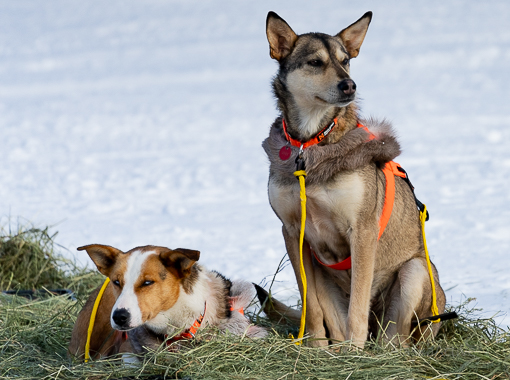
Sled dog resting at Rainy PassMost sled dog teams are made up of Alaskan Huskies. Unlike the purebred Siberian Husky or Alaskan Malamute you see in movies, the Alaskan Husky is a "purpose-bred" mix. They are essentially the ultimate canine athletes, bred specifically for performance rather than a specific look.

Their lineage is a fascinating blend. They descended from the native village dogs used by indigenous people for thousands of years, but over the last century, mushers have mixed in other breeds to fine-tune their abilities. You might find traces of Greyhound or Saluki for speed, Pointers for endurance, and even some German Shepherd for a strong work ethic. This "mutt" heritage gives them "hybrid vigor"—a level of stamina and cold-hardiness that purebreds often struggle to match over a thousand-mile race. 


How can I personally participate ?

You can participate as an Idita-Rider. Many people enjoy the chance to ride along with a musher at the ceremonial start in Anchorage of the Iditarod Trail Sled Dog Race. Spots in the Idita-Rider program are auctioned a few weeks before the race, and the highest bidders earn a seat in the sled. The ride covers roughly eleven miles through Anchorage and serves as a fundraiser to support the race.

Another way to get involved is by becoming a volunteer. Hundreds of volunteers help make the race possible each year, both in Anchorage and along the remote trail. Tasks vary widely - from assisting at checkpoints and helping veterinarians, to handling logistics, communications, and crowd coordination at the старт and finish. Some volunteers travel to isolated villages or fly-in checkpoints, where they help prepare food drops, check in teams, and support race officials. Others stay in town and assist with events, registration, or media coordination. It’s a unique way to experience the race from behind the scenes and be part of a long-standing Alaskan tradition.


What is the weather like during the race?
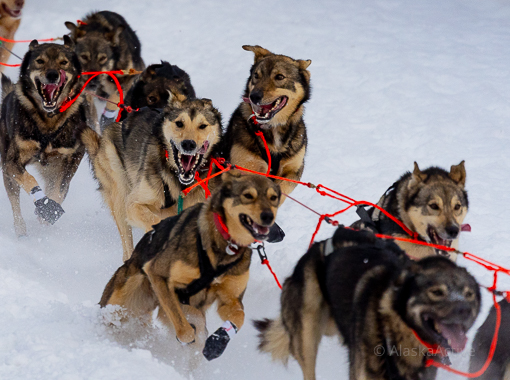
Weather is one of the biggest unknowns during the Iditarod Trail Sled Dog Race. From November through early March, daylight is limited - ranging from about 10 hours to less than 4 hours per day. During this time, temperatures regularly drop well below zero, with winter lows often reaching -40°F to -50°F or colder. It’s not unusual for these extreme conditions to last for several days in a row. The coastal town of Nome is an exception, as the nearby Norton Sound helps moderate temperatures. While winter nights there still fall to around zero, temperatures below -20°F are relatively rare.
Snow typically covers the ground continuously from October through April across most of the route. Interestingly, colder conditions are often better for the dogs, which tend to perform best in temperatures between about -20°F and +20°F. The most extreme cold recorded during the race dates back to 1973, when wind chill reportedly dropped to an astonishing -130°F. 


What kind of clothing is recommended? 

Dressing properly for the Iditarod Trail Sled Dog Race is essential, as conditions can be extremely cold and unpredictable. Layering is key. Start with a moisture-wicking base layer, add insulating layers like fleece or wool, and finish with a windproof and waterproof outer shell. Insulated parkas and snow pants are highly recommended. Footwear should be warm and rated for very low temperatures, ideally with thick socks and enough room for insulation. Mittens are better than gloves for keeping hands warm, and hand warmers can be helpful during long periods outdoors. A warm hat that covers your ears, along with a face mask or balaclava, is important to protect against wind and frostbite. Sunglasses or goggles can also help in bright snow and windy conditions. In short, plan for extreme cold and dress in layers that you can adjust as conditions change. Here is a complete packing list for your winter adventure. 

Camila, Australia: Hello! The tour was wonderful and we had an amazing time. Nearly every detail was perfect. It was our first time in Anchorage in the winter time to see the Iditarod, Sled Dog Race. We had the great time to watch the ceremonial start of the race on Saturday in Anchorage and on Sunday, going to Willow to see the re-start. Before the start we went to side streets to see the preparation for musher and dogs. All the dogs were so excited to go. Then the start itself. Very interesting is when you know a few mushers. We caught the Winter Aurora Train from Anchorage to Talkeetna and I have to say, it is an enjoyable ride. We were extremely lucky with the weather and had a clear sunny day for the trip. The scenery was absolutely spectacular, and we were able to get some amazing photos of Mt. McKinley and other fabulous scenes along the way. Talkeetna is a gorgeous little place. This Chena aurora tour was another highlight of our vacation! Our guide was wonderful and very passionate about Fairbanks, Alaska, about the Alaskan culture and loves the Aurora as much as we do! We enjoyed the Ice Museum and the hot springs, but seeing the Aurora was a bucket list moment!! Highly recommend this tour.