

Best Time to Visit Alaska: The Updated Insider’s Guide
Planning the ultimate Alaska adventure? Whether you’re chasing the dancing Northern Lights, seeking the endless "Midnight Sun," or hoping to spot the "Big Five" in Denali, timing is everything. This year, Alaska is expected to see some of the most intense Aurora Borealis activity in a decade due to the Solar Maximum. This guide breaks down the weather, wildlife, and celestial events to help you choose the perfect week for your journey.
| Month | Season | Avg Temp | Daylight | The Insider Catch |
|---|---|---|---|---|
| January | Deep Winter | 5°F / 20°F | 6-8 hrs | Best for quiet Aurora viewing and photography. Anchorage Folk Festival, Glennallen: Copper Basin 300 Sled Dog Race, Bethel: Kuskokwim 300 Sled Dog Race, Seward: Polar Bear Jump Off |
| February | Deep Winter | 10°F / 25°F | 8-10 hrs | Winter sports, Anchorage: Fur Rendezvous ("Fur Rondy") & Running of the Reindeer, Fairbanks: World Ice Art Championships (Starts mid-Feb), Big Lake to Fairbanks: Iron Dog Snowmobile Race (World's Longest), Cordova: Iceworm Festival • Fairbanks: Festival of Native Arts |
| March | Peak Aurora | 15°F / 35°F | 11-13 hrs | Ideal balance of daylight and dark nights for Aurora. Anchorage/Willow: Iditarod Trail Sled Dog Race (Start), Fairbanks: BP World Ice Art Championships (Peak Aurora Viewing) Nome: Iditarod Finisher's Banquet & Festivities |
| April | Breakup | 30°F / 45°F | 14-16 hrs | Spring skiing and watching the ice thaw, Alyeska Resort: Spring Carnival & Slush Cup |
| May | Shoulder | 40°F / 55°F | 17-19 hrs | Driest month. Great value, Baby animals, and no mosquitoes! Bear viewing - bears are emerging from hibernation and are hungry. |
| June | Peak Summer | 50°F / 70°F | 20-24 hrs | The Midnight Sun, Hiking, Solstice Festivals. Everything is open and active. |
| July | Peak Summer | 55°F / 75°F | 19-21 hrs | Hottest weather and peak salmon runs for bears, whale watching |
| August | Late Summer | 50°F / 65°F | 16-18 hrs | Glaciers, Wild berries and prime grizzly viewing for bears catching salmon |
| September | Fall Shoulder | 40°F / 55°F | 13-15 hrs | Fall colors and the return of the Aurora, no bugs |
| October | First Snow | 25°F / 40°F | 10-12 hrs | Quiet cities and early-season winter vibes. |
| November | Winter | 15°F / 30°F | 7-9 hrs | Great for local holiday markets and cozy stays, Haines Chilkat Valley Bald Eagle Festival, Homer Bald Eagle Festival |
| December | Winter | 5°F / 25°F | 5-7 hrs | True winter wonderland and Christmas magic, New Years Eve Torchlight Parade & Fireworks at Alyeska Resort, Anchorage Christmas Bazaar & International Film Festival |
 Chasing the Lights: Best Weeks for Aurora Viewing
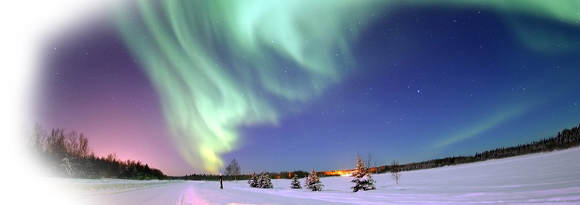
The "Aurora Season" runs from August 21 to April 21. However, for the best experience, you want to avoid the full moon (which washes out the lights) and aim for the Equinoxes, when geomagnetic activity is highest. Top Aurora Windows:
🔹 March 14 – March 28 : The Spring Equinox window. Crisp skies and high solar activity. 🔹 September 15 – September 30: The Autumn Equinox. Stunning fall foliage by day, vibrant lights by night. 🔹 New Moon Bonus: Look for the weeks of January, February March and October for the darkest skies.
Alaska Month-by-Month Guide
May: The "Dry" Shoulder Season
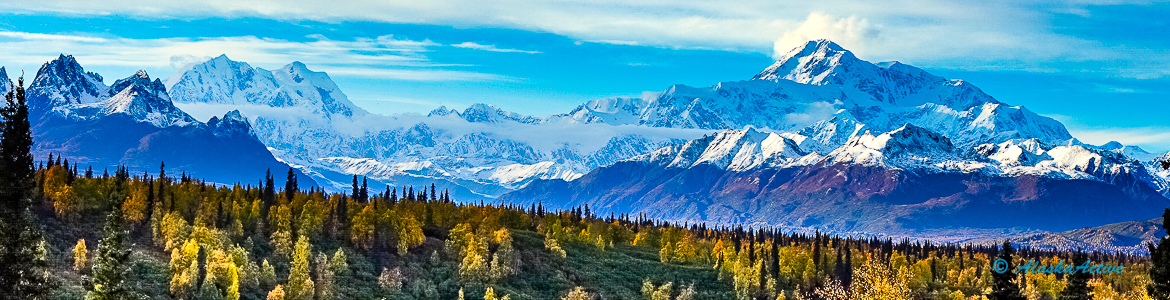
May is one of the most underrated months in Alaska. It is historically the driest month, meaning you have the best chance of seeing the mountain peaks without cloud cover. 🔹 Wildlife: Gray whales migrate north; moose calves are born. 🔹 Pro Tip: Cruise prices are at their lowest, and the "mosquito season" hasn't started yet. Join the Kachemak Bay Shorebird Festival
June: The Land of the Midnight Sun
June 21 marks the Summer Solstice. In Fairbanks, the sun technically doesn't set, providing 24 hours of usable light. 🔹 Events: Midnight Sun Baseball Game (Fairbanks) and Solstice festivals. 🔹 Experience: This is the best time for high-altitude hiking as the snow finally clears from the trails.
July: The Heart of Summer
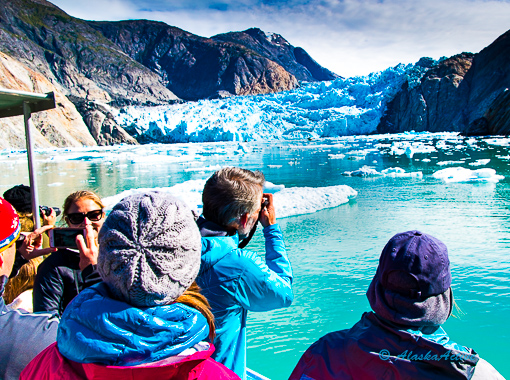
This is the warmest month and the peak of the tourist season. 🔹 Wildlife: The legendary salmon runs begin, drawing grizzly bears to the rivers (Brooks Falls). 🔹 Activity: July is prime time for glacier trekking and kayaking in Kenai Fjords. Join the Bear Paw Festival, Girdwood Forest Fair, Salmonfest in Ninilchik, Copper River Salmon Jam
August: Wildlife & Wildberries
As the rain increases slightly, so does the activity of the animals. 🔹 Wildlife: Huge pods of Humpback whales are frequently spotted in the Inside Passage. 🔹 Experience: The tundra begins to turn vibrant shades of red and orange by late August. Many festivals are happening e.g. famous Alaska State Fair, Alyeska Blueberry Festival, Bearfest in Wrangell
September: The Photographer’s Dream
🔹 September is short but spectacular. By the second week, the "termination dust" (first snow) appears on mountain peaks. With the solar cycle peaking, late September offers a rare chance to see the Aurora reflected in unfrozen lakes - a photographer's holy grail.
Weather Expectations: What to Pack?
Alaska weather is famously unpredictable. Even in July, a "heatwave" might be 75°F (24°C), while a rainy day can drop to 50°F (10°C).
The Alaska Layering System:
🔹 1. Base Layer: Moisture-wicking synthetic or merino wool.
🔹 2. Insulating Layer: A fleece or "puffy" down jacket.
🔹 3. Shell Layer: A high-quality waterproof rain jacket (don't settle for "water-resistant").
Frequently Asked Questions (FAQ)
🔹 What is the best month to visit Alaska for the first time?
For a first-time visitor, July is often considered the safest bet because every road, tour, and visitor center is fully operational under the warmest temperatures of the year. However, if you want a premium experience with fewer crowds and unique advantages, we highly recommend looking at the shoulder seasons. May is an incredible time to visit as it marks the fresh start of the season with massive daylight hours and historically low rainfall. It is actually one of the best times for wildlife spotting in Denali National Park because the willow shrubs haven't leafed out yet, meaning bears and moose have no camouflage and are easily visible against the spring landscape. Furthermore, grizzlies often hang around the park road in May to avoid the deeper snow still lingering in the high alpine. Alternatively, early September is a local favorite because the mosquitoes have died off, the tundra turns a brilliant crimson, and you get a rare two-for-one deal where you can view grizzly bears by day and the Northern Lights by night.
🔹 When is the best time to see bears in Alaska?
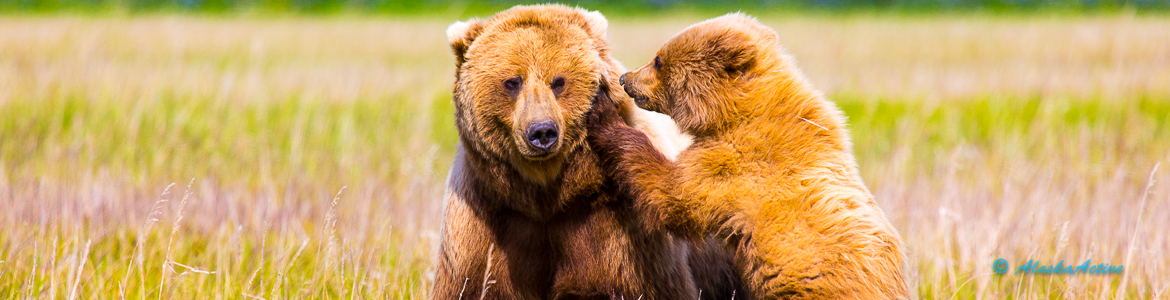
The best time to see bears depends entirely on the specific behavior and scenery you want to witness. If you are chasing the iconic "National Geographic" moment of bears catching salmon mid-air, you should plan to visit in July and head specifically to Brooks Falls in Katmai National Park. For those visiting earlier in June, a fly-in trip to Lake Clark National Park at Chinitna Bay is the premier choice; because the salmon haven't arrived yet, you will see mothers and cubs grazing on lush coastal sedge grasses and digging for clams along the beach. For a truly remote experience away from the crowds, Admiralty Island near Juneau is home to one of the highest concentrations of brown bears in the world. Known as "Fortress of the Bears," it offers an incredible, immersive wilderness environment where you can observe these massive creatures in their natural habitat with very few other travelers in sight. If your journey takes place in August, Denali National Park offers a different but equally spectacular experience, as grizzlies move to the hillsides around the Eielson area to spend eighteen hours a day gorging on wild blueberries to bulk up for the winter.
🔹 Will I see the Northern Lights in the summer?
The short answer is no. While solar activity remains high regardless of the season, the presence of the Midnight Sun during June and July makes the sky far too bright to see the Aurora. You need true darkness for the lights to be visible, which typically does not return to the Alaskan skies until approximately August 21st. If the Northern Lights are your primary goal, you should skip the height of summer and aim for the Autumn Equinox in late September or the Spring Equinox in March, when geomagnetic activity is at its peak and the nights are sufficiently dark.
🔹 Is Denali National Park open year-round?
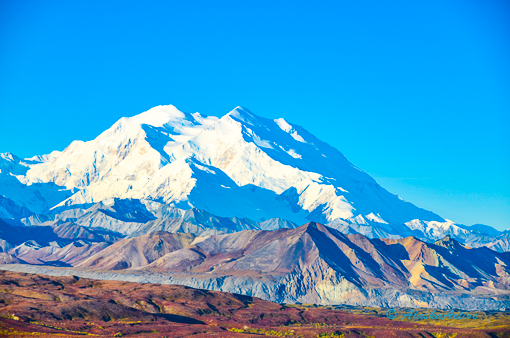
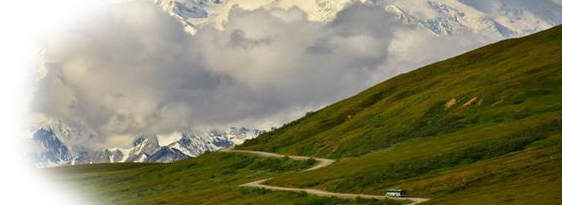
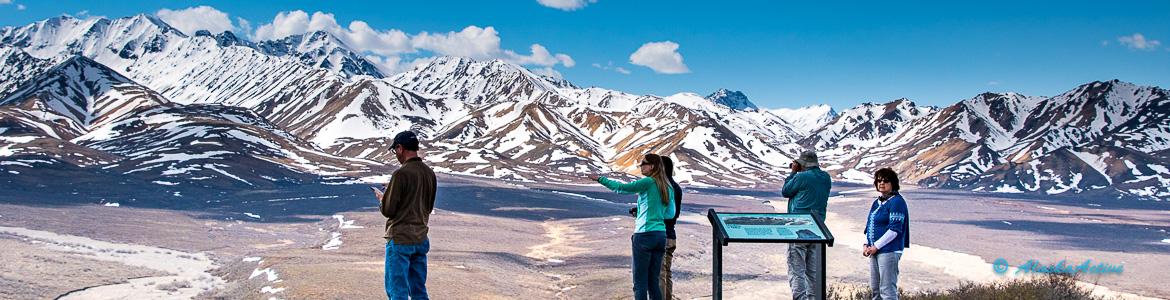
While Denali National Park is technically open all year, the primary infrastructure, visitor centers, and bus services for travelers are active from June 1st through September 10th. During the peak summer months, narrated tour buses and transit shuttles provide the only motorized access into the heart of the park, offering the best opportunities for spotting the "Big Five" against the backdrop of the Alaska Range. If you choose to visit during the shoulder seasons of May or late September, it is important to note that bus services typically do not run, meaning private vehicles are generally restricted to the first 15 miles of the park road at Savage River. While this early or late access still offers beautiful views, planning your journey during the full operational window between June and early September ensures you can reach the deeper, more remote wilderness areas where wildlife activity is most concentrated.
Ready to Plan Your Alaska Vacation?
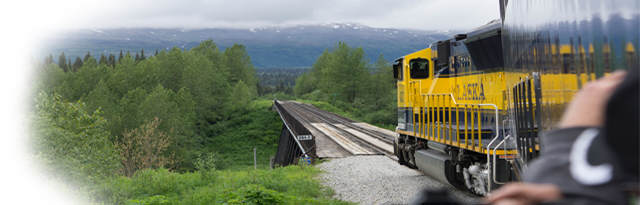
At Alaska Active, we specialize in custom, independent travel experiences. Whether you're looking for an iconic Alaska Railroad journey, a scenic self-drive adventure, or a comfortable coach tour, we handle the details so you can experience the heart of the wild on your own terms - far away from the cruise ship crowds.
Signature Seasonal Journeys
Whether you seek the midnight sun of June or the crimson tundra of September, these itineraries are designed to capture Alaska at its peak.