

What to pack for your Alaska Vacation: The Ultimate Alaska & Yukon Travel Guide
Explore Alaska and the Yukon with confidence. Our specialized packing guide and gear advice keep you ready for the distinct weather patterns and wild experiences of the North..
Alaska stands as one of the most remote and visually arresting regions on Earth, defined by untamed wilderness, massive mountain ranges, and a profound Indigenous heritage. Much like the Yukon Territory to the east, the seasonal experiences here are legendary—from summer hiking under the constant glow of the midnight sun to winter nights spent chasing the dance of the Northern Lights. Because an Alaska vacation involves rapidly changing weather and travel through rugged, sparsely populated landscapes, packing with precision is a must. Alaska Active provides all-inclusive tours led by expert local guides, featuring curated itineraries and essential gear for your excursions. This guide details what to pack, what we handle for you, and how to arrive fully prepared for your adventure into the wild.
Alaska’s Climate Explained
Alaska’s climate is as diverse as its geography. Whether you are navigating the coastal fjords or exploring the interior, your packing list needs to match the season of your visit.
🔹 Summer: June to August - Summer in the Great Land is generally mild, with daytime temperatures often ranging from 15°C to 25°C. The phenomenon of the midnight sun creates exceptionally long, active days, though the air can cool quickly once the sun nears the horizon or when you are near glacial ice. Even in these warmer months, staying prepared with layers is essential.
🔹 Winter: October to April - Winter is a season of crisp, dry cold. While temperatures frequently stay well below freezing, the lack of humidity makes outdoor excursions remarkably comfortable when you have proper insulation. Our winter tours focus on iconic northern experiences like dog sledding, snowmobiling, and chasing the Northern Lights—adventures that define the spirit of both Alaska and the neighboring Yukon.
🔹 Spring and Fall: May & September - These months act as the "wild cards" of the north. Weather can shift rapidly, bringing a mix of rain, snow, and swinging temperatures. High-quality waterproof layers and versatile clothing are especially useful during these times to handle whatever the sky decides to do.
Clothing Guide for Traveling in Alaska
🔹 How to Dress in Layers: Weather in Alaska can shift quickly, so dressing in layers is the most practical approach. Layers make it easy to stay comfortable as temperatures change throughout the day, whether you're walking across a glacier in Southcentral Alaska or exploring inland regions.
A typical layering setup includes:
• A breathable base layer that pulls moisture away from the skin
• A warm mid-layer such as fleece or lightweight down
• A protective outer shell that blocks wind and rain
Tip: Avoid cotton whenever possible. It traps moisture and provides very little warmth once wet. Travelers throughout northern regions—from Alaska to the Yukon—generally follow this rule.
🔹 What to Wear in Winter: Alaska’s winter climate requires proper cold-weather gear. When temperatures drop well below freezing, insulation and protection from wind become essential.
Important winter clothing items include:
• A heavily insulated winter parka
• Thermal base layers to retain body heat
• A warm hat that covers your ears
• Thick insulated gloves or mittens
• A scarf or neck warmer to protect exposed skin
• Waterproof winter boots with strong grip
• Warm wool or thermal socks.
Some outdoor excursions provide specialized equipment such as parkas or boots, but bringing your own base layers usually ensures better comfort.
🔹 What to Wear in Summer: Summer temperatures can be pleasant, but conditions can still vary depending on location and time of day. Packing versatile clothing will help you stay comfortable from sunny afternoons in Denali to cool evenings near the coast.
Useful summer items include:
• Lightweight tops and breathable hiking pants
• Long-sleeve shirts for sun protection and mosquitoes
• A reliable waterproof rain jacket
• Comfortable walking or hiking shoes with good traction.
Even during the warmest months, bringing an extra warm layer is recommended for early mornings, glacier excursions, or higher elevations.
🔹 Useful Items in Any Season: Regardless of when you visit Alaska, some clothing items are always helpful. Sturdy hiking footwear, a flexible jacket, and relaxed clothing for evenings at lodges or restaurants are good staples for any trip.
👉 Insider Tip: Alaska’s weather can change quickly—even within the same hour. Locals often carry a small backpack with an extra layer, gloves, and a lightweight rain jacket, even in summer. Being prepared lets you stay comfortable and enjoy spontaneous stops, whether it’s a windy viewpoint, a glacier landing, or wildlife watching along the road.
Equipment and Useful Gear
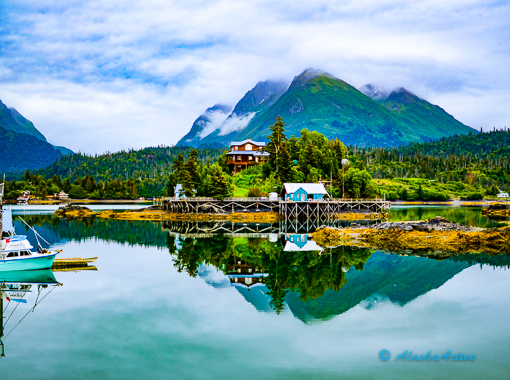
What you should bring for an Alaska trip depends largely on the activities included in your itinerary. Many Alaska adventures take place outdoors, but for organized excursions—such as glacier hikes, dog sledding, or snowshoeing—the necessary technical equipment is often provided by the tour operator. Even so, bringing a few personal essentials will make day trips and outdoor experiences much more comfortable.
A small daypack is very useful for daily excursions, allowing you to carry water, extra layers, and personal items. A reusable water bottle is recommended for staying hydrated during hikes or sightseeing stops. Comfortable shoes suitable for walking or light hiking are also important, as many Alaska experiences involve trails, boardwalks, or uneven terrain.
For activities like dog sledding, snowmobiling, glacier walks, or wildlife excursions, specialized gear is usually supplied. However, personal clothing items remain essential. Thermal base layers, warm socks, gloves, and other items worn close to the body are best brought from home to ensure a proper fit and comfort throughout the day.
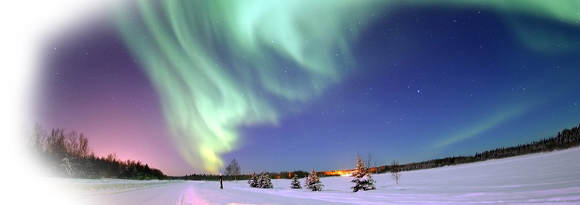
Photography is another highlight of visiting Alaska. From dramatic mountain landscapes and glaciers to coastal wildlife and the Northern Lights in the Interior, the state offers incredible opportunities to capture memorable images. A camera or smartphone that performs well in low-light conditions is particularly useful if you plan to photograph the night sky.
A few additional accessories can make a big difference when photographing in Alaska’s colder climate. A tripod helps stabilize the camera for long exposures, which are often necessary for capturing the Northern Lights or night landscapes. Extra batteries are also important, since cold temperatures drain power faster than usual. Carrying additional memory cards or portable storage is also wise so you never miss an opportunity.
Many travelers discover too late that their camera settings are not prepared for photographing the Northern Lights. Taking a little time in advance to learn the recommended settings for your camera or smartphone can help ensure you are ready when the lights suddenly appear in the sky.
👉 Insider Tip: Bring a small dry bag or waterproof pouch for your electronics. In Alaska, weather can shift quickly—rain, sea spray on boat tours, or even wet snow can appear unexpectedly. Keeping your phone, camera, and spare batteries protected ensures you’re ready when wildlife appears or the scenery suddenly opens up.
Personal Care and Travel Essentials
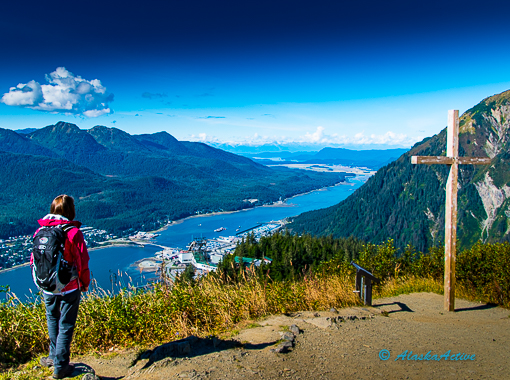
Personal comfort is the foundation of a great expedition. When you are traversing the vast, remote stretches of the Last Frontier—or even crossing the border into the Yukon—pharmacies and shops can be hours away. Packing a dedicated self-care kit ensures your focus stays on the scenery rather than a minor discomfort.
🔹 Health and First Aid: A compact, personalized medical kit is a travel essential. Include basics for common trail mishaps like blisters, minor scrapes, or headaches. If you travel with prescription medications, always keep them in their original labeled containers and carry them in your hand luggage to ensure they are always within reach.
🔹 Skin and Sun Protection: Alaska’s environment can be surprisingly demanding on your skin. The air in the subarctic is often quite dry, particularly during the crisp winter months, so high-quality moisturizer and lip balm are vital.
Sun protection is a year-round priority. Between the endless daylight of the "Midnight Sun" and the intense reflection off glaciers, snowfields, and coastal waters, UV exposure is high. Ensure your bag includes: Broad-spectrum sunscreen for exposed skin, Polarized sunglasses to cut through glacial glare, a brimmed hat for shade during long summer treks.
🔹 The "Alaskan State Bird": If your journey takes place during the warmer months, insect repellent is a non-negotiable. Mosquitoes thrive near the pristine lakes and dense forests of the North. Having a reliable repellent on hand will make your riverside lunches and forest hikes much more relaxing.
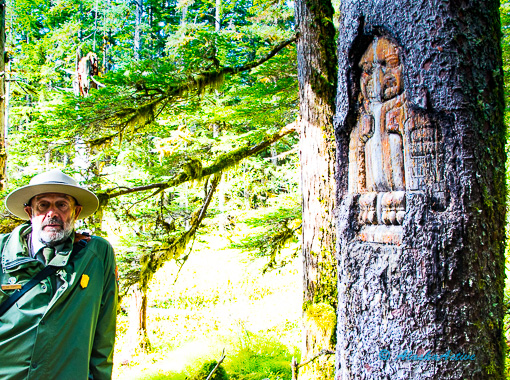 Professional Packing Strategies for the North
The goal for any Alaskan expedition is to pack smart, not heavy. By selecting versatile pieces that work together, you can reduce your luggage bulk without compromising on comfort. Whether you are navigating the rugged interior of Alaska or crossing the border into the Yukon, these strategies will help you streamline your gear:
🔹 Luggage and Organization:
• Modular Packing: Use packing cubes to categorize your layers and keep your suitcase organized throughout the trip.
• Versatile Palette: Stick to neutral colors that mix and match easily, allowing you to create multiple outfits from fewer items.
• Flexible Bags: Opt for soft-sided luggage or durable duffel bags. These are much easier to stow in bush planes, trains, and tour vehicles than rigid hardshell suitcases.
• The Adventure Pack: Bring a comfortable daypack for your daily excursions. A waterproof cover is a wise addition to shield your camera and extra layers from unpredictable coastal mist or mountain showers.
🔹 Essential Tech and Tools: Beyond your wardrobe, a few technical items are indispensable in the wilderness. High-capacity power banks are vital for keeping your phone and camera charged during long days away from an outlet. If you are visiting during the darker winter months, a reliable headlamp or small flashlight is a safety essential for navigating snowy paths.
🔹 Embracing the "Off-Grid" Experience: Connectivity can be sparse in the remote reaches of the North. We recommend bringing a physical journal, a paperback book, or pre-downloading your favorite digital content for quiet evenings at the lodge.
However, the best part of an Alaska vacation is the chance to unplug. By setting the devices aside, you can fully immerse yourself in the silence of the tundra, the scale of the mountain ranges, and the spontaneous wildlife encounters that make this region so spectacular.
👉 Insider Tip: Pack a high-quality sleep mask. Whether you are under the 24-hour midnight sun in an Alaskan summer or staying in a lodge with bright snow-reflected moonlight in the Yukon, a comfortable mask ensures you actually get the rest you need for those long days of adventure.
Signature Adventure Journeys
From the indigenous cultures of the coast to the gold rush trails of the Yukon, these journeys define the spirit of the Great Land.