

Iditarod Race Organization
Iditarod Race Organization: How the Race Works
The Iditarod Sled Dog Race may look like a remote wilderness race, but behind it is a highly organized system that ensures safety, fairness, and the well-being of every team. From race officials and veterinarians to logistics crews and volunteers, hundreds of people work together to make the event possible each year.
Who organizes the Iditarod?
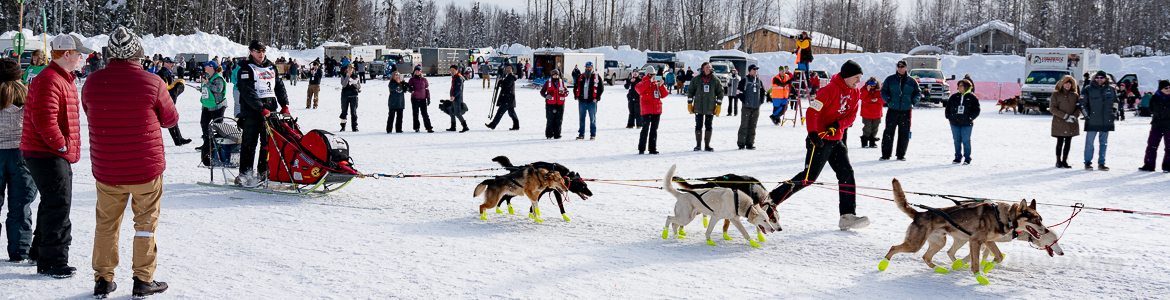
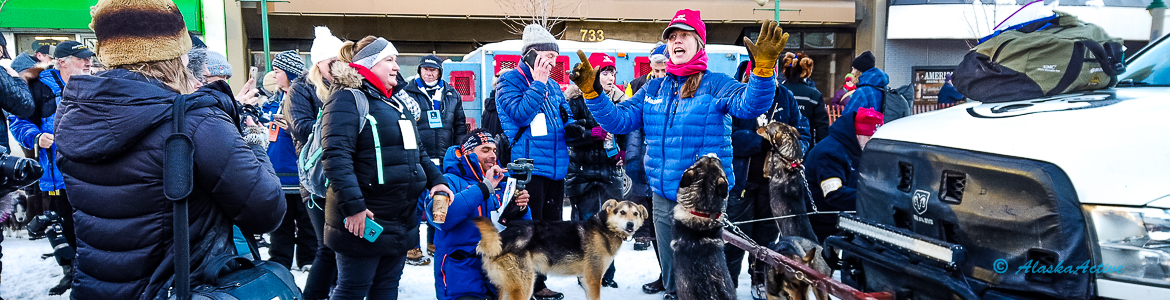
The Iditarod Trail Committee (ITC) is the primary organizer of the race. Based in Wasilla, Alaska, this nonprofit corporation manages the extensive logistics, fundraising, and safety protocols required to run the event each year. They rely on a massive network of thousands of volunteers, as well as corporate sponsorships and memberships, to fund the race operations and provide the necessary veterinary care for the canine athletes.
The organization's mission centers on two main pillars:
🔹 Preserving the historic Iditarod Trail and the tradition of dog mushing.
🔹 Honoring the unique culture of rural Alaska and the historical role sled dogs played in mail delivery and emergency transport.
By maintaining this "Last Great Race on Earth," the committee ensures that the heritage of the Alaskan wilderness and the bond between musher and dog remain a focal point of modern sporting culture.
What are the Iditarod Race Rules ?
The Iditarod is governed by a complex set of rules designed to ensure fair competition and the safety of the dog teams. The race structure is built around the following key elements:
Race Start and Timing
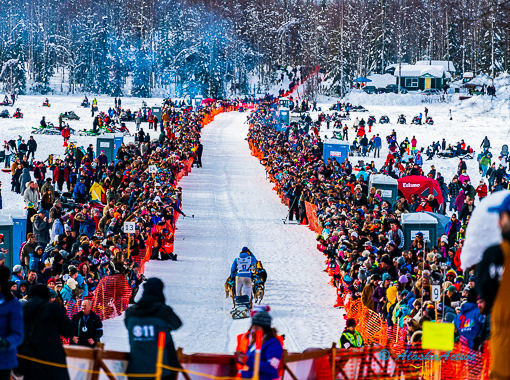
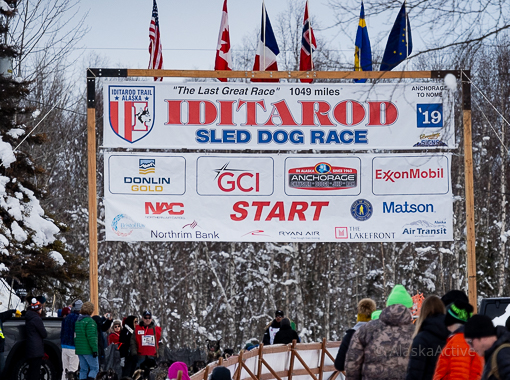
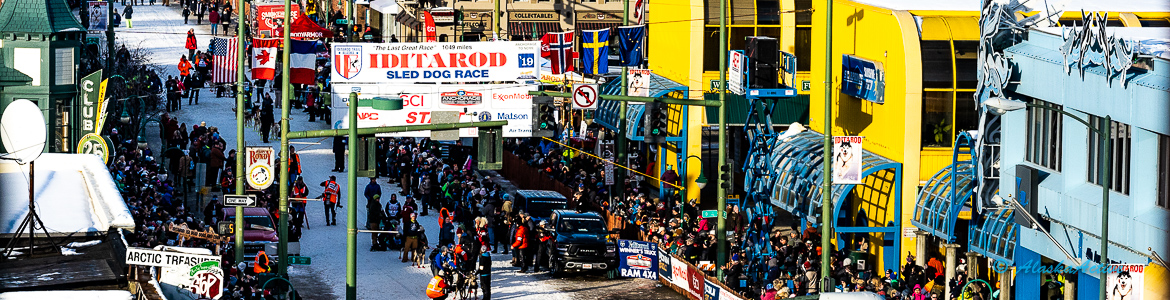
🔹 While the race begins with a ceremonial start in Anchorage, the competitive timing officially starts at the Restart in Willow.
🔹 Staggered Start: Mushers leave the starting line at 2-minute intervals.
🔹 Time Differential: Because teams start at different times, the "starting differential" is mathematically adjusted during their first long rest. This ensures that by the time they leave their mandatory 24-hour layover, they are on an even playing field regardless of their initial starting position.
Checkpoints and Logistics: The trail is marked by approximately 24 checkpoints spaced 20 to 100 miles apart.
🔹 Mandatory Check-ins: Mushers must sign in at every checkpoint. These serve as medical hubs where a team of volunteer veterinarians examines every dog.
🔹 Supplies: This is where mushers pick up "drop bags" sent ahead of the race, containing dog food, fuel for cookers, and extra gear like booties.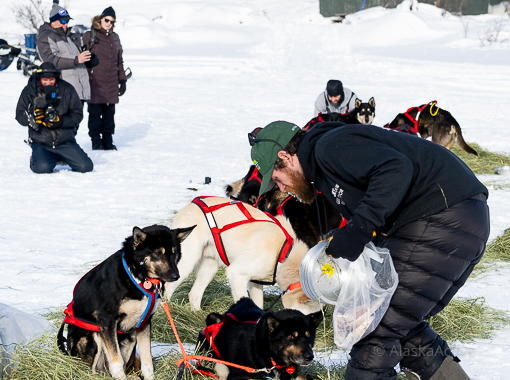 Mandatory Rest Periods: Strategy revolves around three required stops totaling 40 hours of rest:
🔹 24-hour Layover: Taken at any checkpoint of the musher’s choice. This is where the start time differential is added to the stay.
🔹 8-hour Yukon River Rest: Must be taken at any checkpoint along the Yukon River.
🔹 8-hour White Mountain Rest: A final mandatory stop taken at White Mountain, just 77 miles from the finish line in Nome.
Mandatory Equipment: The rules mandate specific survival gear that must be on the sled at all times, including a heavy sleeping bag, an ax, snowshoes, a cooker capable of boiling three gallons of water, and enough fuel to do so. Each musher must also carry eight booties for every dog and a veterinarian notebook to track health checks at each stop. Outside assistance is strictly prohibited, meaning mushers must handle all dog care and sled repairs themselves once the race begins.
Finish Requirements: To successfully complete the race and be considered a finisher, specific dog-count rules apply:
🔹 Starting Numbers: In 2026, mushers typically start with a maximum of 16 dogs (though rules have fluctuated between 14 and 16 in recent years).
🔹 Minimum to Finish: A musher must have at least 5 dogs on the towline when crossing the Burled Arch in Nome. Dogs that cannot continue are "dropped" at checkpoints under the care of veterinarians and flown back to Anchorage..
What Are Mushers Allowed to Send to Checkpoints Before the Race?
Mushers are allowed to ship "drop bags" to checkpoints via the Iditarod Air Force weeks before the race begins. These bags typically contain:
🔹 Dog Food: The bulk of the weight, including high-calorie kibble and frozen meats like beef, fish, or poultry.
🔹 Human Food: Vacuum-sealed meals (like lasagna or chili), snacks, and energy drinks.
🔹 Dog Gear: Thousands of booties, extra harnesses, and coats.
🔹 Sled Supplies: Replacement plastic runners and repair kits.
🔹 Personal Items: Extra batteries, hand warmers, dry socks, and clothing.
Each musher is generally required to send a minimum of 50 to 60 pounds of supplies to every checkpoint, regardless of whether they plan to stop there. Most mushers also ship up to two replacement sleds to specific points along the trail in case their primary sled is damaged.
How Do Iditarod Checkpoints and Logistics Work?
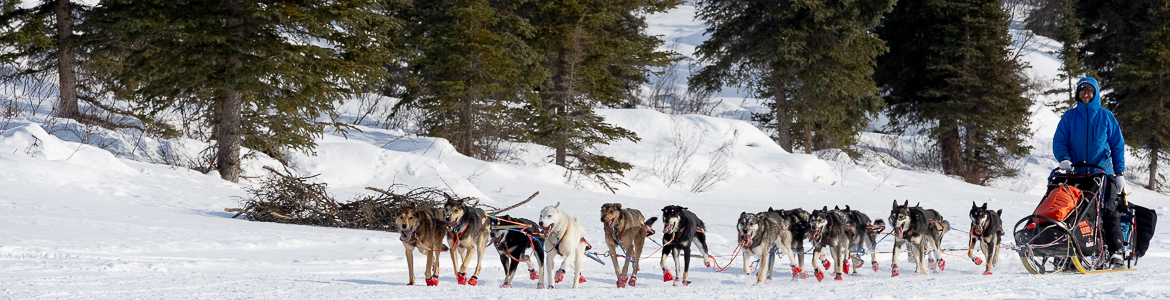
The logistics of the Iditarod are a massive undertaking, transforming the Alaskan wilderness into a functional race corridor for over 1,000 miles.
Remote Village Hubs: The race relies on a network of roughly 24 checkpoints, most of which are small, isolated Indigenous villages. These locations are inaccessible by road, meaning the race serves as a bridge between the competition and the local communities that host the mushers, veterinarians, and volunteers in school gyms or community centers.
The "Iditarod Air Force": Since there are no highways to these locations, nearly all supplies must be flown in.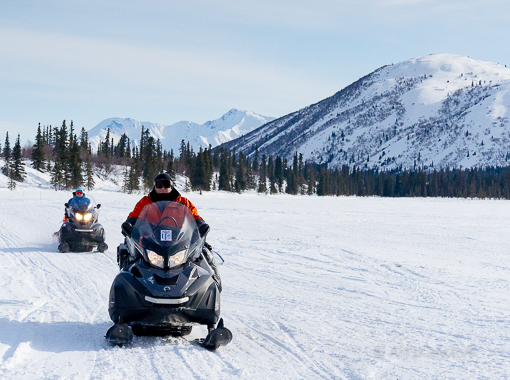
🔹 Drop Bags: Weeks before the start, mushers pack hundreds of pounds of frozen meat, kibble, and gear into bags.
🔹 Supply Chain: A fleet of volunteer pilots, known as the Iditarod Air Force, flies over 300,000 pounds of these supplies to checkpoints using small bush planes.
🔹 Straw and Fuel: Along with dog food, the race must coordinate the delivery of thousands of bales of straw for dog beds and HEET fuel for the mushers' cookers.
Complex Coordination: The coordination effort is a year-round job for the committee.
🔹 Communications: Volunteers set up satellite links and radio towers at each remote site to transmit race standings and ensure musher safety.
🔹 Dog Care: If a dog is "dropped" at a checkpoint because it is tired or injured, the logistics team must coordinate its flight back to a central hub in Anchorage or Wasilla for further care.
Everything from the timing of the flights to the clearing of snow from remote landing strips must be synchronized to ensure the race remains safe and competitive.
How Are Dogs Cared for During the Iditarod?
The veterinary care system for the Iditarod is one of the most comprehensive programs in any animal-based sport, involving nearly 50 volunteer veterinarians who are stationed along the 1,000-mile trail.
Continuous Monitoring: Every team is subjected to rigorous health screenings before and during the race:
🔹 Pre-Race Screenings: Every dog undergoes an EKG, blood work, and a physical exam weeks before the start.
🔹 Checkpoint Exams: Veterinarians meet every team at each of the 24 checkpoints. They perform "tail-to-nose" evaluations, checking for hydration, heart rate, lung sounds, and paw health.
🔹 The Vet Book: Each musher carries a "Vet Book" that records the medical status of every dog at every stop, ensuring continuity of care between different veterinary teams.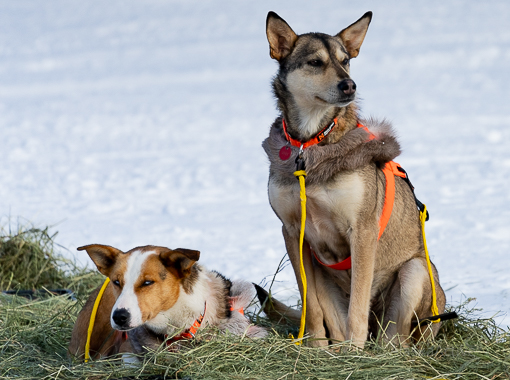
Mandatory Husbandry: Mushers are responsible for high-level care in extreme conditions:
🔹 Nutrition: Dogs consume between 10,000 and 13,000 calories per day. Mushers must prepare hot meals using snow-melters at every stop.
🔹 Rest and Bedding: Mushers carry straw on their sleds or use supply drops to provide a dry, insulated bed for the dogs during every rest period.
🔹 Protective Gear: To prevent injuries, dogs wear cordura or fleece booties and specialized belly coats for protection against wind chill and overflow water.
The "Dropped Dog" Protocol: If a dog is not performing at 100% or shows signs of fatigue, the musher must leave them at a checkpoint.
🔹 Fitness Standard: Only "fit to continue" dogs stay on the line. Once dropped, a dog is cared for by a specialized veterinary team until the "Iditarod Air Force" flies them back to a central hub in Anchorage.
🔹 No Replacement: Because mushers cannot add new dogs to their team once the race starts, they are highly incentivized to keep their original team healthy to maintain speed and power.
How Is Safety Managed During the Iditarod?
Maintaining safety over 1,000 miles of uninhabited terrain requires a high-tech infrastructure that blends GPS monitoring with local expertise.
GPS Tracking: Every musher is required to carry a GPS tracking unit on their sled.
🔹 Real-Time Positioning: This allows race headquarters in Anchorage and Nome to see the exact location of every team 24/7.
🔹 Fan & Safety Monitoring: The "Track the Pack" platform is used by race officials to monitor speeds and stationary times. If a team stops for an unusually long period between checkpoints, officials can initiate a wellness check.
🔹 2026 Upgrades: Recent enhancements to the Iditarod Insider platform now include GPS tracking for snowmachine camera crews as well, providing a more comprehensive view of trail conditions in real time.
Race Officials and Trail Breakers: The safety network includes more than just digital tracking; it involves physical presence on the trail.
🔹 Race Judges: Stationed at checkpoints, these officials have the authority to pull a musher from the race if they believe the musher is unfit to continue or is violating safety protocols.
🔹 Trail Breakers: Before and during the race, crews on snowmachines (snowmobiles) scout the trail to mark safe paths and alert officials to "blow holes"—areas where hurricane-force winds can create zero-visibility whiteouts.
🔹 Expedition Oversight: In 2026, special "Expedition Class" teams (non-competitive) traveled the trail with their own dedicated veterinarians and support staff, though they remained under the strict authority of official race judges.
Emergency Communication: Reliable communication is the biggest challenge in the "Bush" (rural Alaska).
🔹 Starlink and Satellite Hubs: The race utilizes Starlink satellite terminals to provide high-speed internet and VOIP communication at remote checkpoints, ensuring that medical or weather alerts can be transmitted instantly.
🔹 SOS Protocols: In extreme emergencies, mushers can use their GPS units to send an SOS signal. However, receiving outside help typically results in a mandatory withdrawal from the competitive race to maintain the integrity of the "self-sufficient" challenge.
Weather Decisions: Race officials and the National Weather Service monitor conditions constantly. If a storm becomes life-threatening, officials can:
🔹 Hold Teams: Temporarily stop teams at a checkpoint until a storm passes.
🔹 Reroute: Adjust the trail markers to avoid dangerous "overflow" (water on top of ice) or areas with insufficient snow cover.
What Are “Expedition Class” Teams?
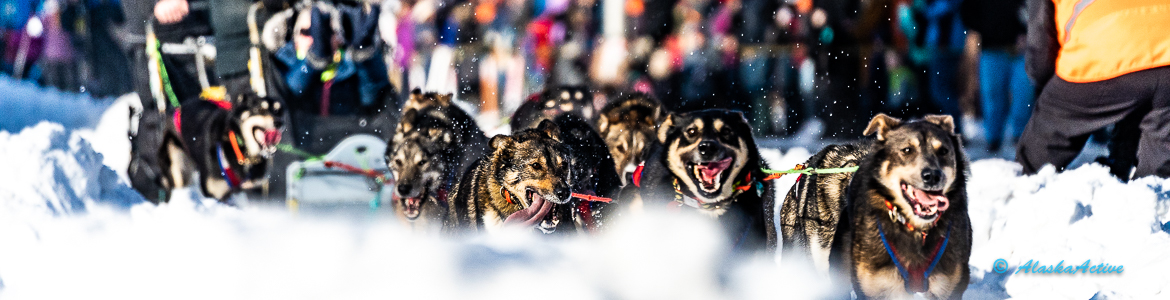
In 2026, the Iditarod added the Expedition Class, a non-competitive tier for participants to traverse the 1,000-mile trail to Nome. While these teams must follow the same rigorous safety and veterinary rules as the rest of the field, they do not compete for prize money, official rankings, or awards. This category essentially functions as a high-contribution entry used to help fund the race's survival.
The Financial Squeeze: The Iditarod Trail Committee (ITC) has been struggling to stay in the black. In recent years:
🔹 Sponsor Exodus: Major national brands (like Alaska Airlines, ExxonMobil, and Coca-Cola) dropped their support under heavy pressure from animal rights groups (more about this later).
🔹 Rising Costs: The cost of aviation fuel, insurance, and shipping straw/food to remote checkpoints has nearly doubled over the last three years.
🔹 Legislative Rejection: The race was recently denied a $1.4 million funding request by the state, leaving a massive hole in the budget.
"Pay to Play" for Billionaires: The Expedition Class essentially created a high-priced entry tier for wealthy donors.
🔹 Kjell Inge Røkke: The Norwegian billionaire who was the first to sign up for the 2026 Expedition Class contributed over $300,000. His money was specifically used to boost the race purse (the prize money for the actual pros) and halve the entry fees for other mushers who were struggling to afford the race.
🔹 Steve Curtis: Another wealthy businessman joined the class, contributing around $50,000 for village youth programs.
Rule Waivers: In exchange for these "donations," these participants were allowed to skip the standard qualifying races (like the Yukon Quest) and were permitted to have outside assistance (support crews and personal vets), which is strictly forbidden for competitive mushers.
The Controversy: This move has been divisive in the mushing community. Veteran mushers like Mille Porsild and Jeff Deeter have been vocal, arguing that: It looks like people are "buying their way" into the world’s most elite sled dog race. The extra snowmachines and support crews for the Expedition teams can "clog" the trail or change the environment at quiet checkpoints. It risks turning a survival-based competition into a "bucket list" experience for the ultra-wealthy.
Ultimately, the ITC CEO, Rob Urbach, has been candid that the race needs to find new revenue streams to survive. Without the "Expedition" cash, the prize purse for the professional mushers would likely have continued to shrink, making it even harder for the pros to make a living.
Iditarod Quick Facts
Prize Money
The total purse is typically around $500,000, with the winner receiving roughly $50,000.
Closest Finish
The closest finish was in 1978, when Dick Mackey beat Rick Swenson by just one second after nearly 1,000 miles.
Fastest Time
The fastest winning time was set in 2017 by Mitch Seavey, who completed the race in just over 7 days.
Largest Field
The largest Iditarod field was in 2008, when 96 mushers started the race.
Race Budget
Organizing the Iditarod requires an estimated $3–4 million each year.
Kennel Cost
Running an Iditarod-level kennel can exceed $80,000 per year.
Experience the Iditarod Yourself
Understanding how the Iditarod works gives you a deeper appreciation for the scale and complexity of the race. From logistics and safety to the people behind it, every detail plays a role. Experiencing it in person allows you to see this organization come to life — from the race start to remote checkpoints along the Iditarod trail.
Signature Iditarod Journeys
Follow the path of the Great Race and witness the magic of the Arctic. These winter expeditions offer a front-row seat to Alaska's most iconic traditions.