

Iditarod Sled Dog Race: All About the Dogs & Mushers
Who Are the Sled Dogs in the Iditarod?
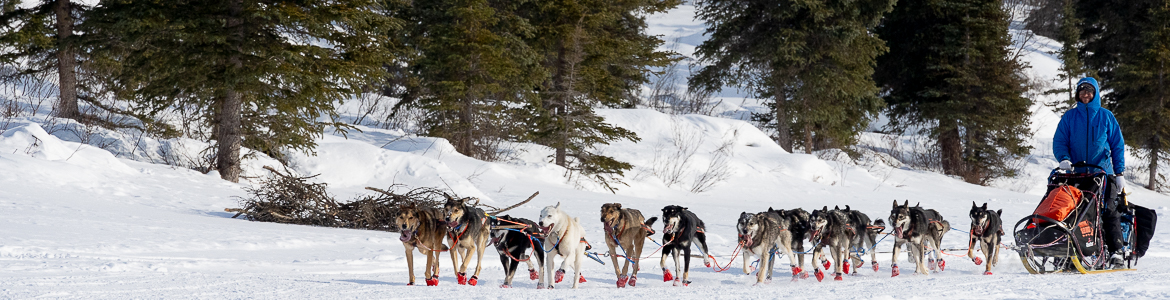
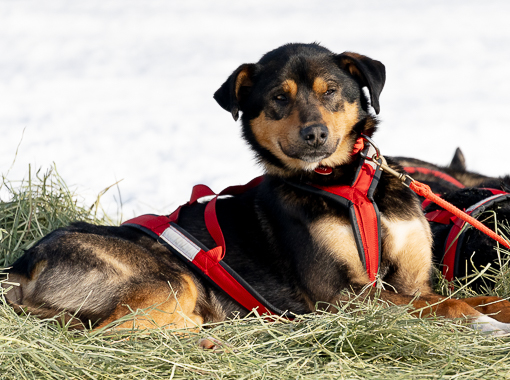
The sled dogs of the Iditarod are elite athletes, primarily Alaskan Huskies bred for endurance and performance. Unlike traditional breeds defined by appearance, these dogs are selected for their strength, speed, and efficiency in sub-zero temperatures. They are known for a social and hardworking temperament, often appearing gentle and energetic rather than aggressive. Their primary motivation is a deep-seated drive to run, which is visible in their high energy levels during race preparation. Each dog plays a vital role in navigating the 1,000-mile trail, relying on a strong bond with the musher and their teammates to succeed.
How Many Dogs Are in an Iditarod Team?
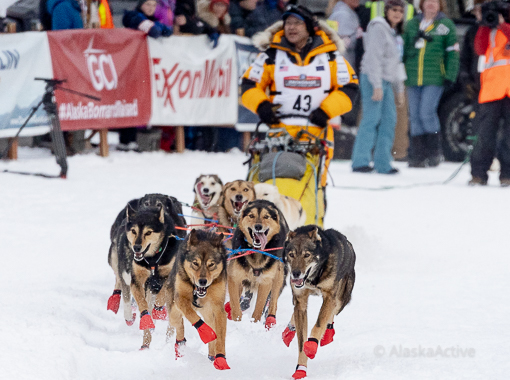
An Iditarod team begins the race with 12 to 16 dogs. While mushers can start with the maximum of 16, they must have at least 12 on the line to depart from Anchorage. To officially finish in Nome, a musher must have at least 5 dogs remaining on the towline.
Throughout the 1,000-mile journey, mushers may leave dogs at designated checkpoints if they require rest or medical attention. These "dropped" dogs are cared for by a team of veterinarians and volunteers until they can be flown back to Anchorage. Managing this decreasing team size is a critical strategic element, as mushers must balance pulling power with the speed and health of their remaining canine athletes. One well-timed decision to rest a dog can make the difference between finishing strong or not finishing at all.
What Does a Musher Actually Do?
The musher acts as the team's strategist, navigator, and primary caregiver. During the race, they are responsible for all critical decision-making, including setting a sustainable pace and choosing when to rest or push forward based on trail conditions. They must monitor the health of every dog constantly, checking paws, appetite, and hydration at every checkpoint.
Beyond navigation, the musher provides the tactical support needed to clear the 1,000-mile trail. This includes:
🔹 Preparing high-calorie meals for 12 to 16 dogs at every stop.
🔹 Applying protective booties and ointments to prevent trail injuries.
🔹 Managing the sled's weight and steering through technical terrain.
This role requires years of year-round preparation. Mushers build deep bonds with their dogs through thousands of miles of training, ensuring each animal is physically and mentally prepared for the Alaskan wilderness.
How Are the Dogs Cared For During the Race?
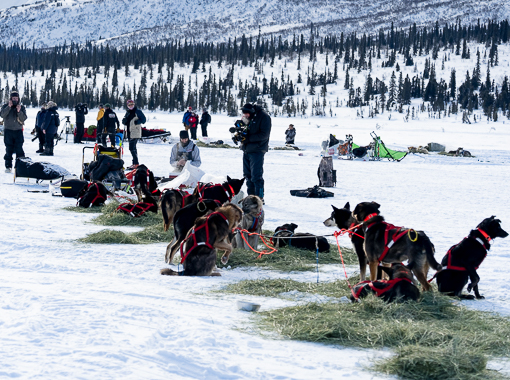
Professional veterinary oversight and specialized care protocols ensure the well-being of every sled dog throughout the 1,000-mile journey. At each of the 20+ checkpoints, a team of volunteer veterinarians performs comprehensive physical exams on every dog, monitoring hydration, heart rate, and overall condition.
Mushers serve as the first line of care, performing routine maintenance that includes:
🔹 High-calorie nutrition: Feeding specialized diets often exceeding 13,000 calories per day to maintain energy in sub-zero temperatures.
🔹 Paw protection: Applying ointments and fitting cordura booties to prevent ice build-up or abrasions.
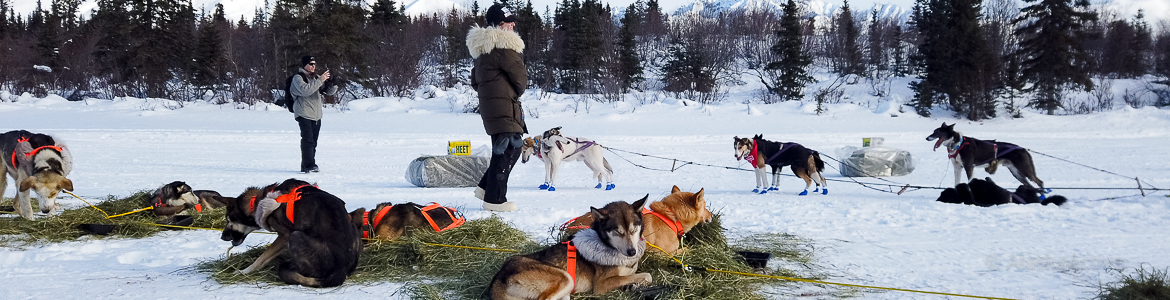
🔹 Rest management: Providing straw bedding and mandatory rest periods to ensure muscle recovery.
The Iditarod enforces a strict mandatory layover schedule to ensure the safety and peak performance of the canine athletes. These required rest periods allow both dogs and mushers to recover, refuel, and undergo thorough veterinary checks.
The mandatory rest requirements include:
🔹 24-Hour Layover: This is the longest rest period of the race. Mushers choose a checkpoint along the trail to "take their 24." During this stop, the staggered start times from the beginning of the race are adjusted to level the field.
🔹 8-Hour Layover on the Yukon River: This mid-race break ensures teams rest before or during the challenging trek across the river ice.
🔹 8-Hour Layover at White Mountain: Located 77 miles from the finish line in Nome, this final mandatory rest allows the dogs to recharge for the final sprint.
These layovers are essential for recovery. While the dogs sleep on fresh straw, mushers spend these hours preparing high-calorie meals and providing muscle and paw care. This structured rest protocol is a cornerstone of the race’s commitment to exemplary dog care.
How Do Mushers Train for the Iditarod?
Training for the Iditarod is a year-round commitment that intensifies as winter approaches. Mushers don't just "start" in March; they spend thousands of miles preparing their dogs physically and mentally through a structured progression of training and competitive "prep" races.
🔹 Year-Round Conditioning: Training begins in late summer and early fall using ATVs or wheeled carts to build muscle and discipline while there is no snow. Once the snow falls, mushers transition to sleds, gradually increasing mileage from short 10-mile runs to back-to-back 50-70 mile "camping" trips that mimic race conditions.
🔹 Qualifying and Prep Races: To enter the Iditarod, rookies must prove their competency by completing a series of qualifying races. These events serve as a "proving ground" for both the musher and the dogs.
The Yukon Quest: Completing this 1,000-mile race automatically satisfies all Iditarod qualifying requirements.
Mid-Distance Qualifiers: Mushers must typically complete two races of 300+ miles (like the Copper Basin 300 or Kusko 300) and one race of 150+ miles (like the Knik 200).
🔹 Strategic Prep: Even veteran mushers use these races to test new lead dogs, evaluate the team's synchrony, and practice their checkpoint routines under pressure.
The goal of this rigorous schedule is to build a "marathon" mentality. By the time a team reaches the starting line in Anchorage, the dogs are not just athletes; they are a synchronized unit capable of navigating blizzards, frozen rivers, and mountain passes as a single entity.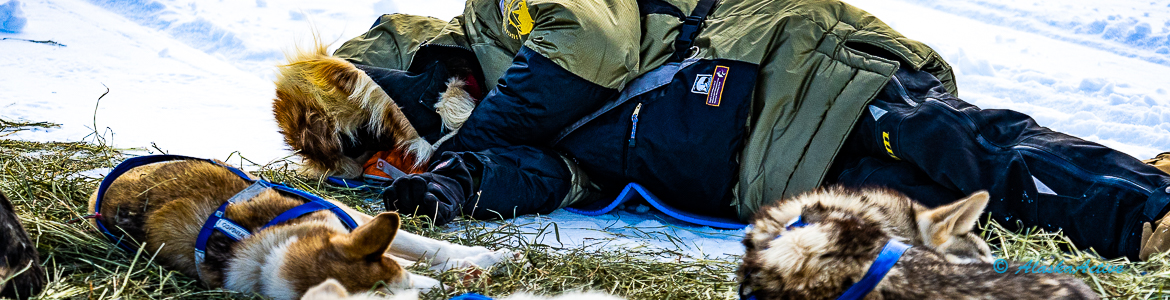
Icons of the Iditarod
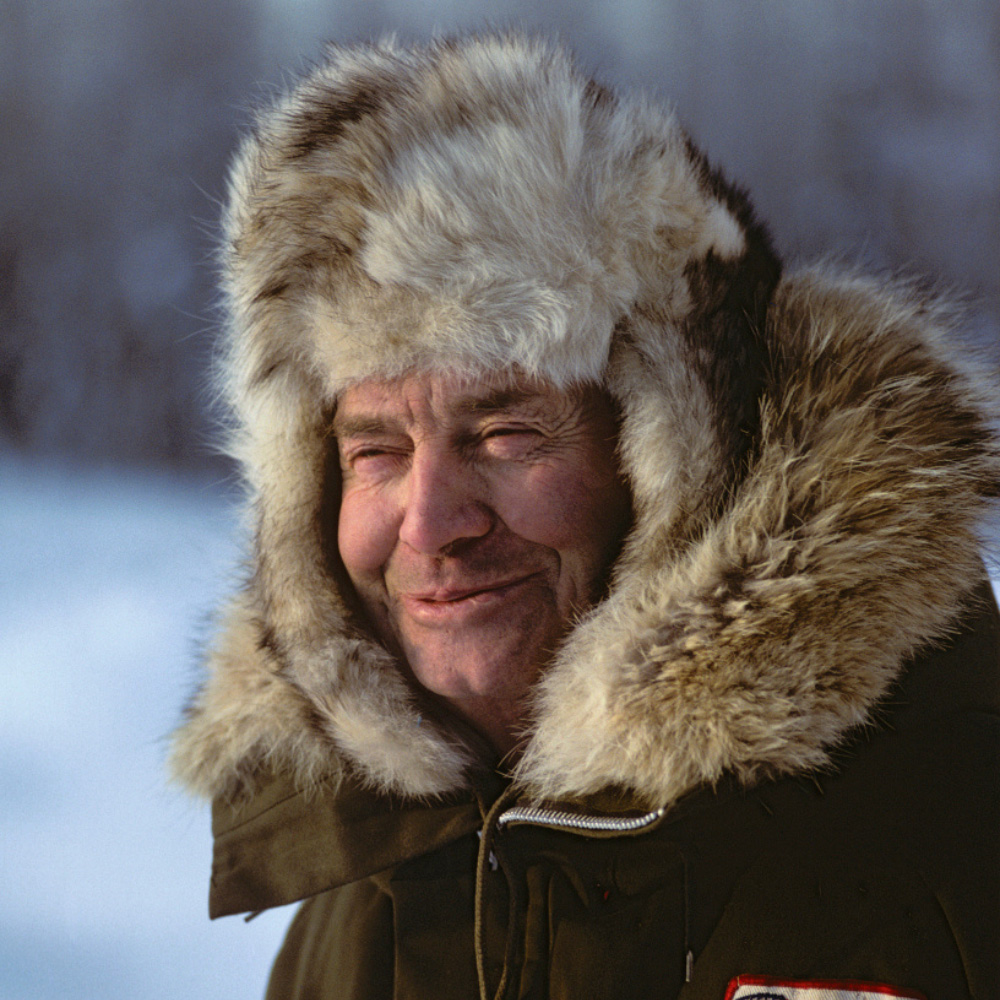
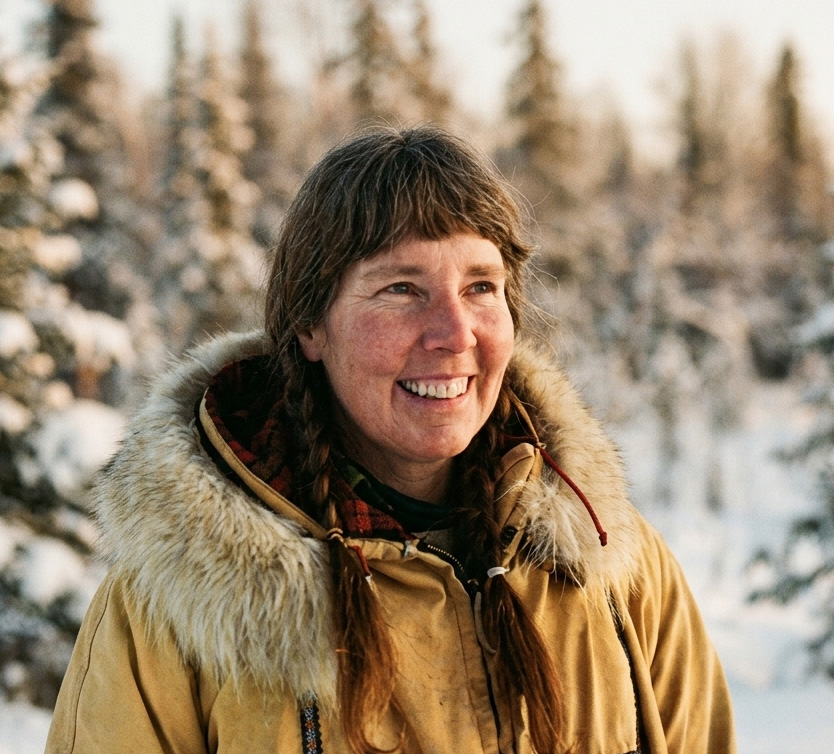
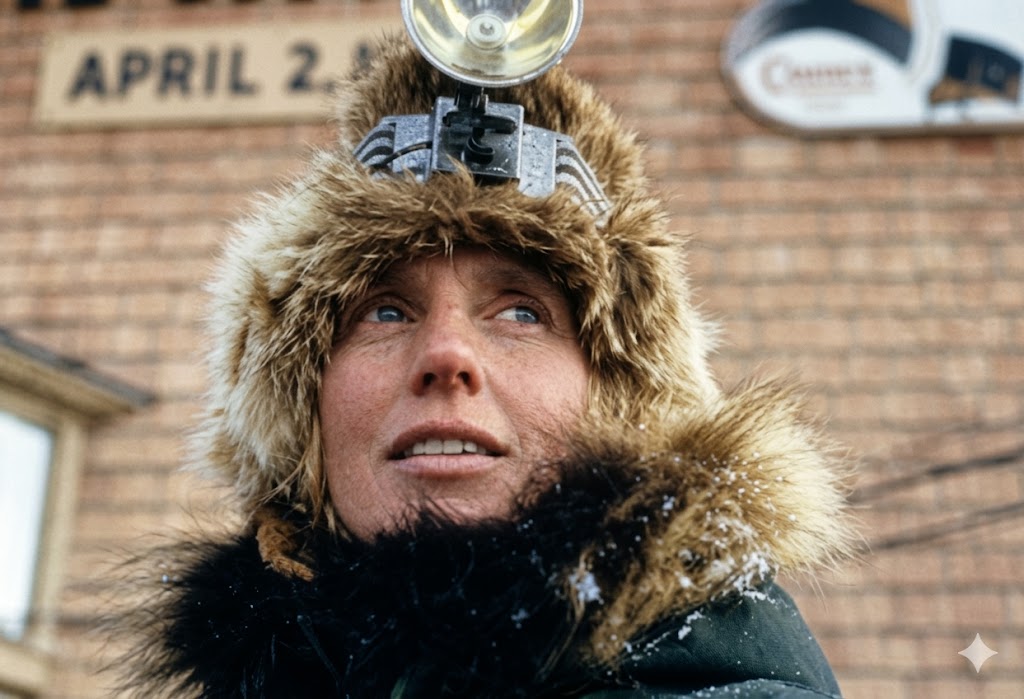
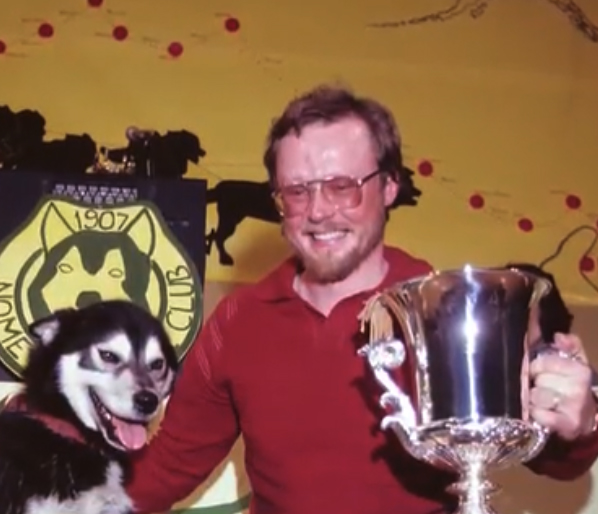
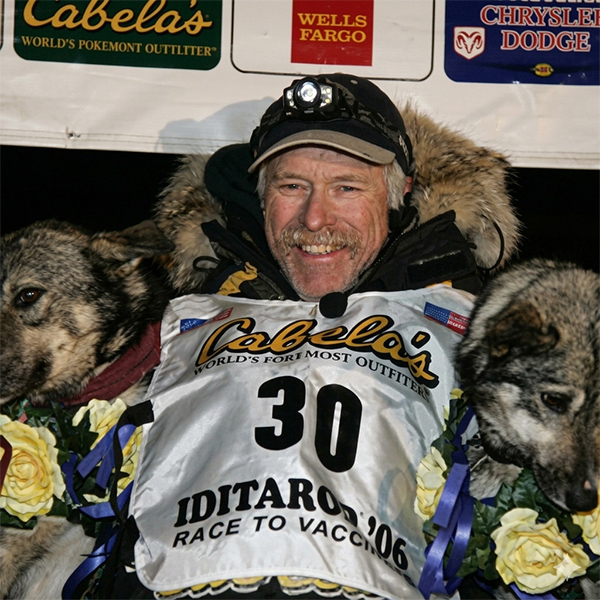
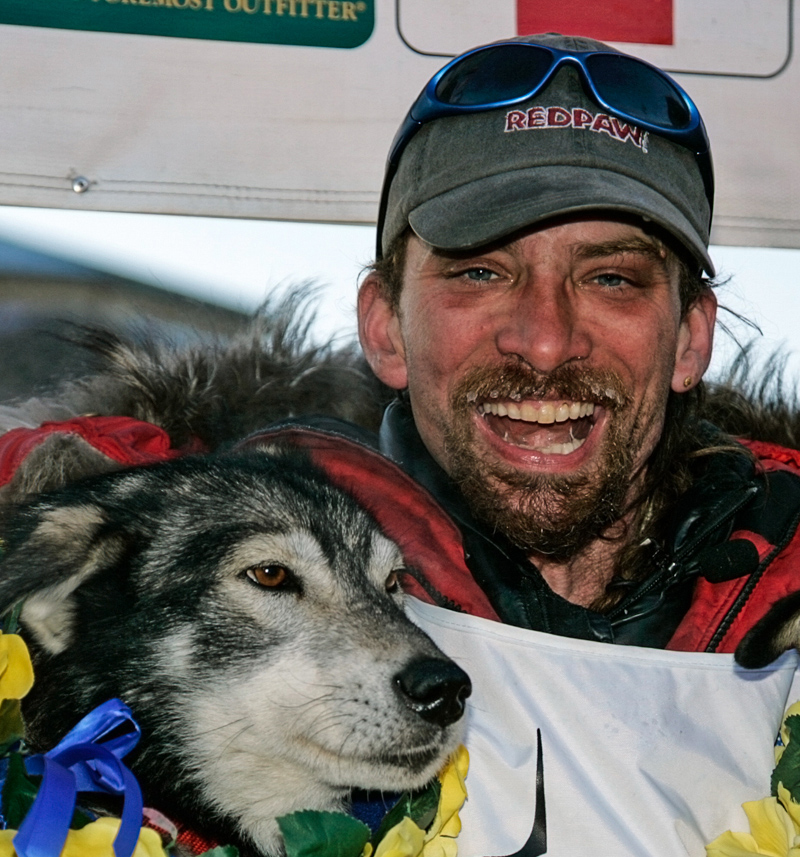
The Iditarod is defined by the people behind it — mushers whose stories go far beyond the race itself. Each one represents a different chapter of “The Last Great Race on Earth,” shaped by grit, innovation, resilience, and an extraordinary bond with their dogs. From pioneers who preserved the trail, to champions who redefined what is possible, to hometown heroes celebrated across entire regions — every musher adds something unique to the story. 🔹 When John Baker won, communities across Western Alaska came together to welcome him into Nome, turning his finish into a powerful cultural moment. 🔹 When Peter Kaiser claimed victory, his hometown of Bethel embraced the sport even more deeply, with dog mushing becoming part of everyday life throughout the winter. 🔹 Mushers like Martin Buser helped shape the modern race through consistency, sportsmanship, and a deep commitment to dog care — becoming one of the most respected figures in Iditarod history. 🔹 And then there are stories that come full circle — like Ryan Redington, grandson of the race’s founder, whose long-awaited win brought the legacy back to where it all began. Together, these mushers don’t just compete in the Iditarod - they define it.

Signature Iditarod Journeys
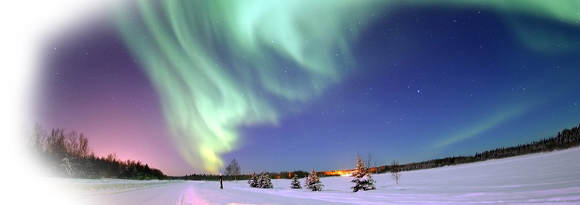
Experience the Iditarod from every angle - from remote checkpoints to hands-on sled dog adventures and unforgettable Arctic nights under the Northern Lights.