

Iditarod Trail Map & Route: Alaska’s 1,000-Mile Race Explained
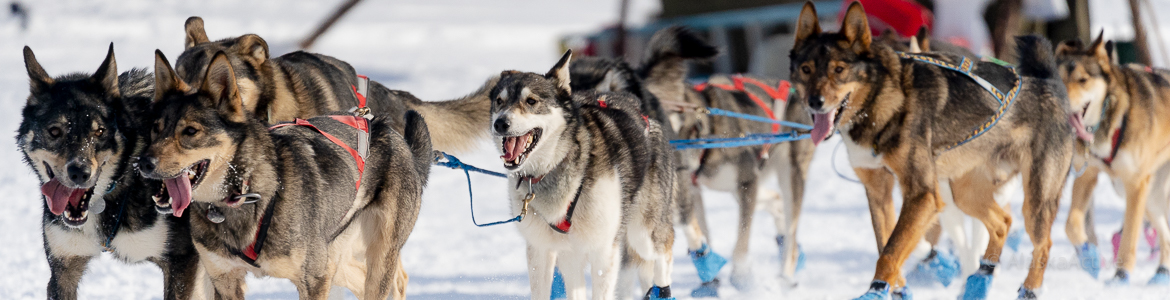
The Iditarod Trail Map and Route follow one of the most remote and historic paths in Alaska, stretching over 1,000 miles from Anchorage to Nome. Along the way, mushers and their sled dog teams travel through frozen rivers, dense forests, and vast tundra, passing small rural communities that depend on this trail as a lifeline.
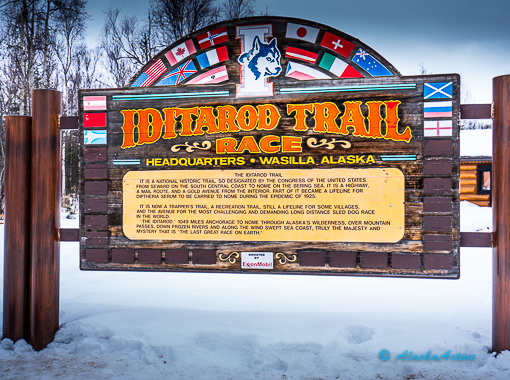
The route is not just a racecourse — it traces the historic Iditarod Trail, once used by Indigenous peoples, gold prospectors, and mail carriers. Today, it remains a powerful connection to Alaska’s past, combining extreme wilderness with living history.
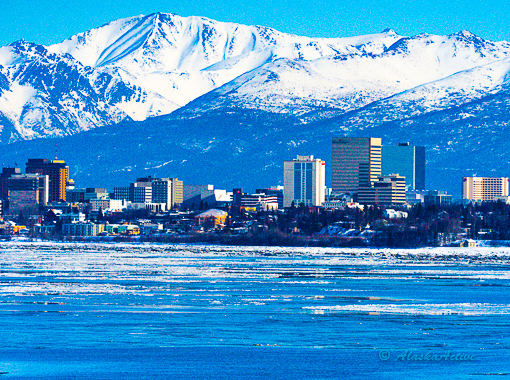
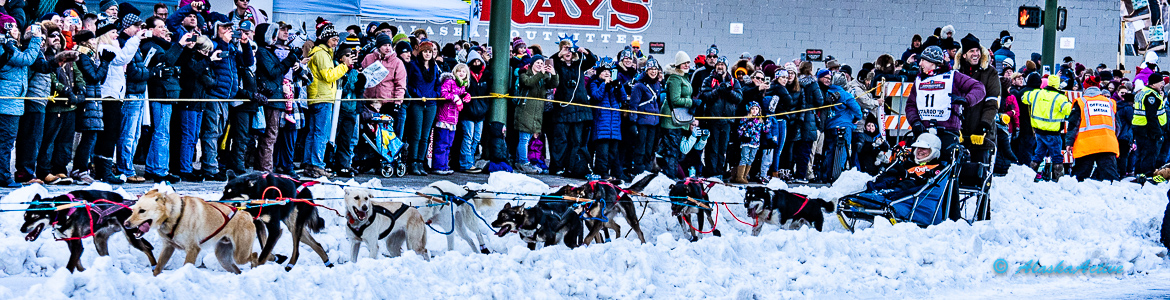
For visitors, understanding the Iditarod route helps bring the race to life — from the ceremonial start in Anchorage to the official restart in Willow, and onward through a series of remote checkpoints across the state.
Why are there two routes?
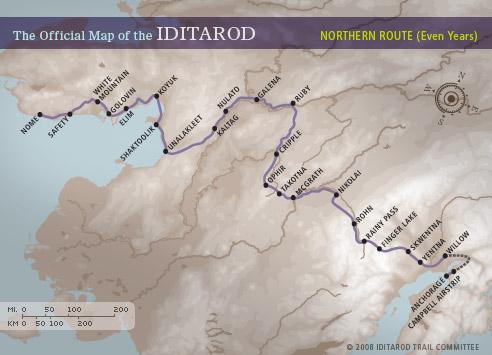
One of the unique aspects of the Iditarod is that it follows two different routes, known as the Northern Route and the Southern Route.
🔹 In odd-numbered years, the race follows the Southern Route
🔹 In even-numbered years, it follows the Northern Route
Both routes begin in Willow and end in Nome, but they differ in the middle section of the race.
The reason for alternating routes is mainly to:
🔹 share the economic benefits with different rural communities
🔹 preserve the trail conditions by not overusing the same path every year
🔹 maintain the traditional connection to multiple historic trails
While both routes are similar in distance, each offers slightly different terrain, weather challenges, and checkpoint villages, giving every year’s race a unique character.
Why the route matters
The Iditarod is not run on a fixed track — it changes slightly each year depending on snow and weather conditions. This means mushers must constantly adapt, navigating through some of the most unpredictable environments on Earth.
For travelers, the most accessible viewing points are:
🔹 Anchorage (ceremonial start)
🔹 Willow (official restart)
Beyond that, the race quickly moves into remote Alaska, making guided tours the best way to experience it up close.
Iditarod Northern Route Checkpoints & Distances (EVEN YEARS)
| Segments | Distance (mi) from Anchorage |
About the Checkpoint |
|---|---|---|
| Anchorage → Campbell Airstrip | 11 | Short opening stretch during the ceremonial start through Anchorage. |
| Willow → Yentna Station | 53 | First remote checkpoint after the official restart, located along the Yentna River. |
| Yentna Station → Skwentna | 83 | A small community checkpoint and key early rest stop for teams. |
| Skwentna → Finger Lake | 123 | Scenic lake area surrounded by mountains, often windy and exposed. This section leads into Farewell Burn – A wide, open stretch created by a historic wildfire, often exposed to strong winds and harsh weather conditions. |
| Finger Lake → Rainy Pass | 153 | One of the most dramatic sections of the race, where teams climb through rugged mountain terrain of the Alaska Range. |
| Rainy Pass → Rohn | 188 | Steep descent through rugged terrain and narrow trails. |
| Rohn → Nikolai | 263 | Long remote stretch across the interior, testing endurance. |
| Nikolai → McGrath | 311 | Follows river systems into one of the race’s larger checkpoint communities. |
| McGrath → Takotna | 329 | Short run between friendly villages known for welcoming mushers. |
| Takotna → Ophir | 352 | Historic gold mining region with a small checkpoint setup. |
| Ophir → Cripple | 425 | Remote interior section with few signs of civilization. |
| Cripple → Ruby | 495 | Leads to the Yukon River, a major milestone in the race. Mushers follow one of Alaska’s longest rivers through remote interior regions. |
| Ruby → Galena | 545 | Follows the Yukon River through vast open landscapes. |
| Galena → Nulato | 582 | Historic trading route area with deep cultural roots. |
| Nulato → Kaltag | 629 | Transition point before heading toward the Bering Sea coast. |
| Kaltag → Unalakleet | 714 | Crosses the Kaltag Portage, an ancient Indigenous trade route connecting the Yukon River to the Bering Sea coast. |
| Unalakleet → Shaktoolik | 754 | Begins the coastal section along the Bering Sea. |
| Shaktoolik → Koyuk | 804 | Exposed coastal stretch, often affected by strong winds. |
| Koyuk → Elim | 852 | Rolling hills and changing weather conditions. |
| Elim → Golovin | 880 | Approaches the final stages of the race. |
| Golovin → White Mountain | 898 | Mandatory rest stop before the final push. |
| White Mountain → Safety | 953 | Final long stretch toward Nome. |
| Safety → Nome | 975 | Final run to the finish line on Front Street in Nome. |
Distances may vary slightly depending on trail and weather conditions.
Iditarod Southern Route Checkpoints & Distances (ODD YEARS)
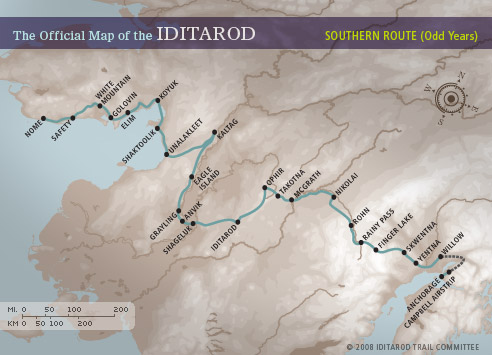
| Segments | Distance (mi) from Anchorage |
About the Checkpoint |
|---|---|---|
| Anchorage → Campbell Airstrip | 11 | Ceremonial start through Anchorage with crowds and celebrations. |
| Willow → Yentna Station | 53 | First true wilderness checkpoint after the official restart. |
| Yentna Station → Skwentna | 83 | Remote lodge checkpoint and early rest stop for mushers. |
| Skwentna → Finger Lake | 123 | Scenic lake area surrounded by mountains, often windy and exposed. This section leads into Farewell Burn – A wide, open stretch created by a historic wildfire, often exposed to strong winds and harsh weather conditions. |
| Finger Lake → Rainy Pass | 153 | One of the most dramatic sections of the race, where teams climb through rugged mountain terrain of the Alaska Range. |
| Rainy Pass → Rohn | 188 | Technical descent through narrow trails and rugged terrain. |
| Rohn → Nikolai | 263 | Long isolated stretch across Alaska’s interior wilderness. |
| Nikolai → McGrath | 311 | River routes leading to one of the race’s key hub communities. |
| McGrath → Takotna | 329 | Short stretch between welcoming villages known for hospitality. |
| Takotna → Ophir | 352 | Historic mining region with a small checkpoint camp. |
| Ophir → Iditarod | 432 | Leads to the historic ghost town of Iditarod, rich in gold rush history. |
| Iditarod → Shageluk | 487 | Follows river systems toward small rural villages. |
| Shageluk → Anvik | 512 | Traditional Athabascan village with strong cultural roots. |
| Anvik → Grayling | 530 | Short run along the Yukon River. |
| Grayling → Eagle Island | 592 | Remote checkpoint on the Yukon River surrounded by wilderness. |
| Kaltag → Unalakleet | 652 | Crosses the historic Kaltag Portage, an ancient Indigenous trade route connecting the Yukon River to the Bering Sea coast. |
| Unalakleet → Shaktoolik | 737 | Beginning of the exposed coastal section. |
| Shaktoolik → Koyuk | 777 | Wind-exposed coastline along the Norton Sound. |
| Koyuk → Elim | 827 | Rolling hills and variable snow conditions. |
| Elim → Golovin | 903 | Approach toward the final coastal villages. |
| Golovin → White Mountain | 921 | Mandatory rest stop before the final push. |
| White Mountain → Safety | 976 | Final long stretch toward Nome. |
| Safety → Nome | 998 | Final run to the finish line on Front Street in Nome. |
Distances may vary slightly depending on trail conditions.
Iditarod Trail Facts & Highlights
ALASKA RANGE
Mushers cross the rugged Alaska Range near Rainy Pass, one of the most demanding and scenic sections of the trail.
YUKON RIVER
Teams travel over 100 miles along the Yukon River, one of the longest and most remote stretches of the race.
Historic Trail
Follows the original Iditarod Trail used by Indigenous peoples, gold miners, and early mail carriers.
Farewell Burn
A vast open area shaped by a historic wildfire, known for strong winds and challenging trail conditions.
Remote Checkpoints
Many checkpoints are small, isolated villages accessible only by air, snowmachine, or sled.
EXTREME CONDITIONS
Temperatures can drop to -50°F (-45°C), with wind and snow creating some of the toughest racing conditions in the world.
You can also experience the Iditarod in person on one of our tours
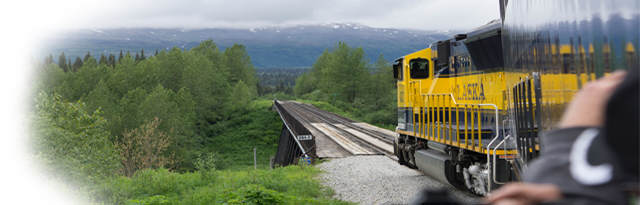
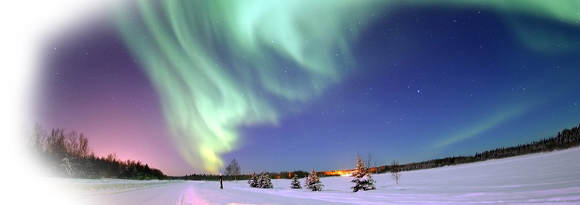
At Alaska Active, we specialize in custom, independent travel that follows the spirit of the trail. Whether you want to witness the race start in Anchorage, journey north via the Alaska Railroad, or combine your trip with Northern Lights Viewing, we handle the logistics so you can experience the heart of the wild on your own terms.
Signature Iditarod Journeys
Experience the Iditarod beyond the ordinary — from remote checkpoints to unforgettable winter adventures and northern lights.