


What is the Iditarod Race ?
What is the Iditarod Sled Dog Race: Alaska’s 1,000-Mile Race Explained
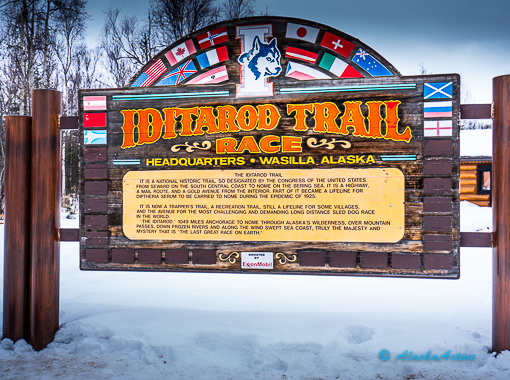
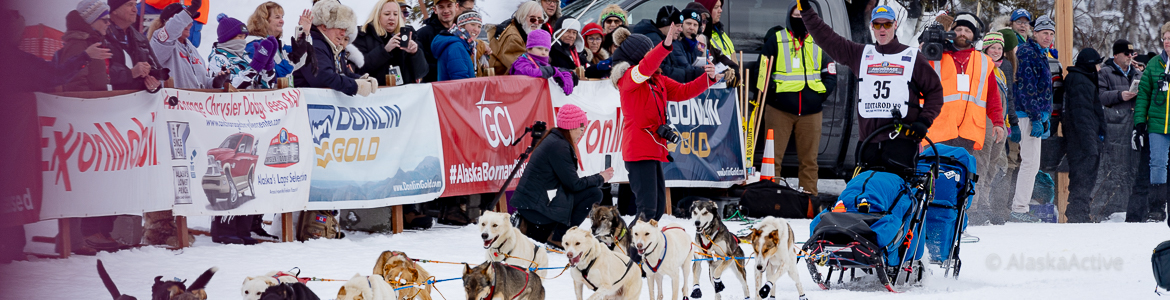
The Iditarod Sled Dog Race is a long-distance sled dog race in Alaska, covering over 1,000 miles from Anchorage to Nome. Held each March, it is considered one of the toughest endurance races in the world. The Iditarod is Alaska’s most iconic winter event, a 1,000-mile feat of endurance that connects the modern world to the state’s rugged frontier past. But while many people have heard of the Iditarod, far fewer understand how the race actually works.
How far do teams travel each day? How do mushers care for their sled dogs along the trail? And what does it really take to finish one of the most challenging races on Earth?
From the historical 1925 Serum Run to the high-tech logistics of modern checkpoints, this guide breaks down the essential mechanics of "The Last Great Race." Whether you are a first-time spectator or a lifelong fan, understanding the strategy behind the sled is the first step to experiencing the magic of the trail.
What is the Iditarod Sled Dog Race?
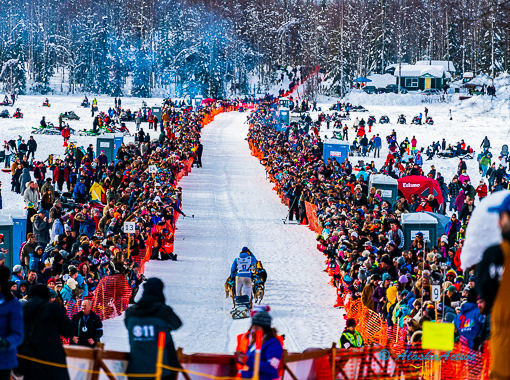
The Iditarod Sled Dog Race is an annual long-distance dog sled race held in Alaska every March. Often called “The Last Great Race on Earth,” it covers roughly 1,000 miles from Anchorage (or nearby Willow) to Nome, crossing frozen rivers, mountain ranges, and remote wilderness.
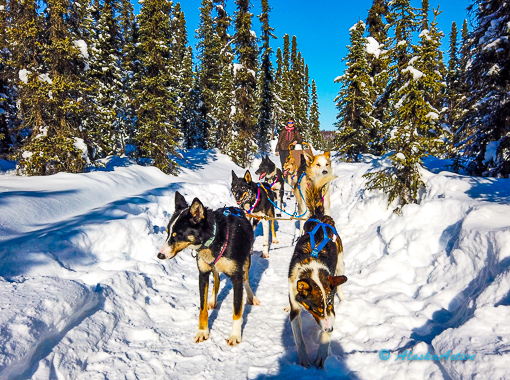
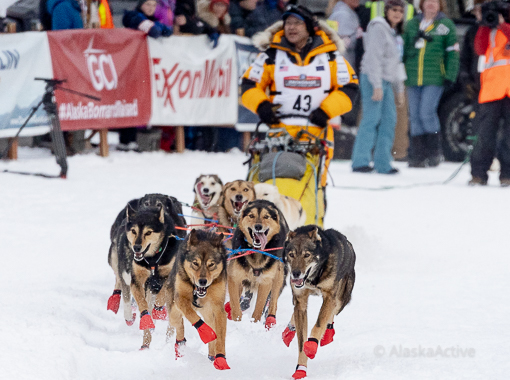
Mushers (sled drivers) guide teams of 12–16 Alaskan huskies across extreme conditions, racing for 8–15 days. More than just a competition, the Iditarod is a test of endurance, survival skills, teamwork, and deep trust between humans and dogs.
Iditarod Quick Facts
Distance
Approximately 1,000 miles (1,600 km) across remote Alaska from Anchorage to Nome.
Race Duration
Teams typically take 8 to 15 days to complete the race, depending on conditions.
When
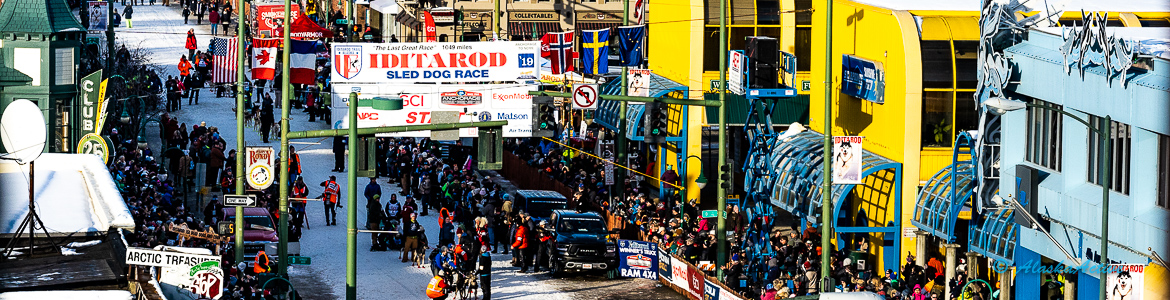
Held every year in early March, with the ceremonial start in Anchorage.
Dog Teams
Each musher starts with up to 16 sled dogs, relying on teamwork and endurance.
Start & Finish
The race begins in Anchorage (ceremonial) and restarts in Willow, finishing in Nome.
History
Inspired by the 1925 serum run, the modern race was first held in 1973.
Why the Iditarod Still Matters - Even If You’re Not Competing
Beyond the competition, the Iditarod serves as a vital cultural and logistical lifeline for Alaska. While it is often viewed as a sporting event, its significance extends into history, economy, and modern veterinary science.
A Living Connection to History: The race preserves the legacy of the 1925 Great Race of Mercy. When a diphtheria outbreak threatened Nome, dog teams were the only way to deliver life-saving serum across 674 miles of frozen wilderness in sub-zero temperatures. Today, the race keeps the traditional skills of mushing alive in a world dominated by snowmobiles and aircraft.
Economic and Infrastructure Impact: For the remote villages acting as checkpoints—such as Nikolai, McGrath, and Unalakleet—the Iditarod is the most significant event of the year.
🔹 Logistics: The "Iditarod Air Force," a fleet of volunteer pilots, flies in over 100,000 pounds of dog food and supplies.
🔹 Tourism: The race generates millions in economic activity for Alaska, supporting local bush pilots, lodges, and gear manufacturers.
🔹 Communication: In many years, the trail preparation provides the only packed ground route between isolated communities, allowing for winter travel and social connection.
Advancements in Veterinary and Human Science: The Iditarod is often described as a rolling laboratory. Data collected from the canine athletes has led to breakthroughs in:
🔹 Metabolic Research: Studies on how sled dogs process calories without depleting glycogen stores have implications for human endurance and diabetes research.
🔹 Cold-Weather Gear: Innovations in synthetic insulation and moisture-wicking materials used by mushers eventually trickle down to consumer outdoor apparel.
🔹 Animal Health: The rigorous "vets at every stop" protocol has set the global gold standard for working-animal welfare and preventative care.
A Symbol of Resilience: The Iditarod remains one of the few high-stakes environments where men and women compete on a completely equal playing field. It serves as a reminder of human and animal adaptability, proving that cooperation and preparation can overcome the most extreme environments on Earth. For visitors, it’s a rare opportunity to experience authentic Alaska beyond typical tourism.
The Origins of the Iditarod: Preserving a Sled Dog Legacy
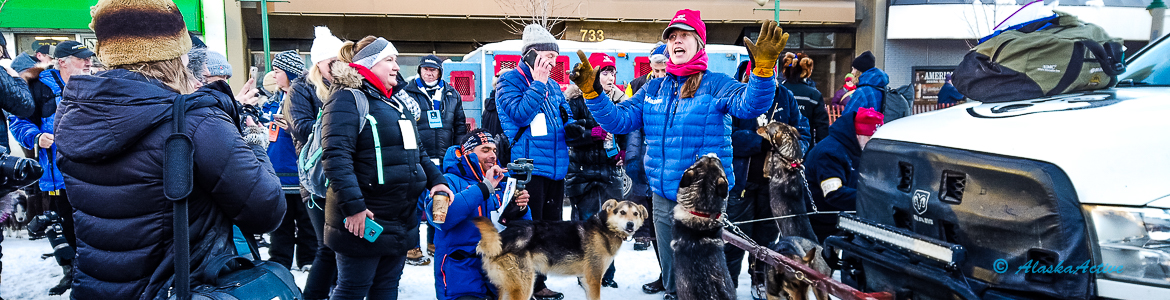
The Iditarod was created in the late 1960s and officially launched in 1973 with a clear mission: to save Alaska’s sled dog culture and historic trails from disappearing. What had once been the backbone of transportation—used for mail delivery, supply routes, and survival in remote regions—was being replaced by snowmobiles, airplanes, and modern infrastructure. As efficiency took over, the cultural and practical importance of sled dogs began to fade. Trails that had connected communities for generations were abandoned. Knowledge passed down through mushers - how to train teams, navigate harsh terrain, and live in sync with the dogs - was at risk of being lost.
Dog sledding wasn’t just a mode of transport. It was a way of life, deeply tied to Alaska’s identity, resilience, and relationship with the land. And by the 1960s, that way of life was on the brink of disappearing.
Visionaries like Joe Redington Sr. and Dorothy Page saw the danger - and created the race to preserve both the dogs and the historic Iditarod Trail.
The Serum Run Connection - The Real Significance
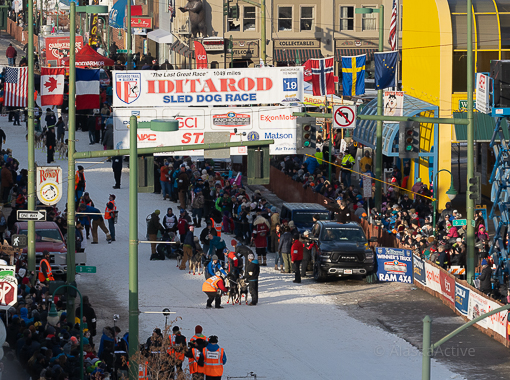
The 1925 Serum Run: A Race Against Death: The Iditarod is not just a sporting event; it is a commemorative journey. The 1925 Great Race of Mercy was a relay of 20 mushers and approximately 150 sled dogs who transported 300,000 units of diphtheria antitoxin across 674 miles of frozen Alaskan wilderness.
The Crisis in Nome: In January 1925, Dr. Curtis Welch discovered a diphtheria outbreak in Nome, a remote coastal town. With the port frozen shut and aircraft engines of the era unable to start in the -50°C / -58 F temperatures, the town faced a total quarantine. Without the serum, the mortality rate for the population was estimated to be nearly 100%.
The Relay Logistics: The serum traveled by train from Anchorage to Nenana. From there, the "Sledge Medal" relay began, covering the distance to Nome in record time. While the mail usually took 25 to 30 days to cover this distance, the relay teams completed it in just 5 days and 7 hours. Mushers faced "black blizzard" conditions with wind chills reaching -65°C / -85F.
The Heroes of the Trail: While the modern Iditarod honors all participants, two lead dogs became global icons:
🔹 Togo: Driven by Leonhard Seppala, Togo and his team covered the most dangerous and longest leg of the journey - 261 miles - including a perilous shortcut across the breaking ice of Norton Sound. Togo was 12 years old at the time.
🔹 Balto: Driven by Gunnar Kaasen, Balto led the final 53-mile leg into Nome. Because he was the one to physically deliver the serum into the town, he received the majority of the initial media fame, including a statue in New York City's Central Park.
The Vision to Keep It Alive
The Iditarod was born from a bold and forward-thinking idea: if tradition was fading, it needed to be lived—not just remembered. Rather than preserving dog sledding in museums or stories, its founders transformed it into something dynamic and visible - a race that would keep the spirit alive through real experience. Their vision was simple but powerful: turn preservation into participation.
Instead of letting history fade, its founders created a race that would:
🔹 Revive interest in sled dogs
🔹 Protect historic trails
🔹 Inspire new generations of mushers
🔹 Bring global attention to Alaska
What began as a grassroots effort quickly captured imagination far beyond the state. The Iditarod grew into an international event, attracting mushers, spectators, and storytellers from around the world. And in doing so, it achieved something rare: it didn’t just honor history - it kept it alive, moving forward mile by mile.
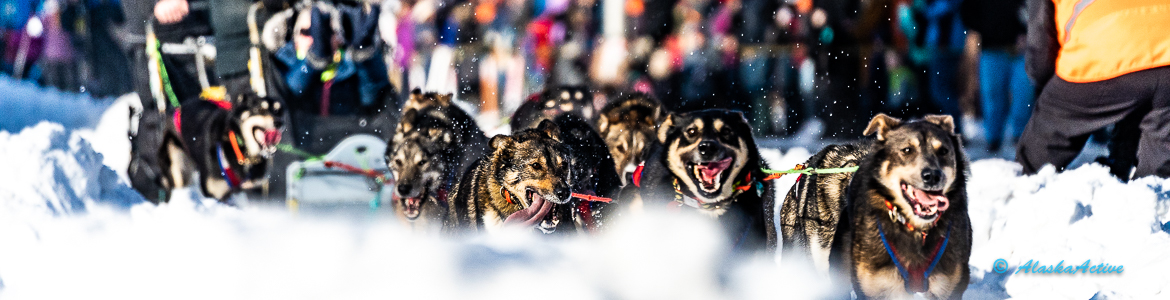
The First Iditarod and What It Symbolized
The first official Iditarod took place in 1973, marking the beginning of a new era for dog mushing.
It wasn’t just a race—it was a statement:
🔹 That sled dogs still mattered
🔹 That Alaska’s history should be preserved
🔹 That endurance and wilderness skills still had a place in the modern world
Early races were small, underfunded, and driven by passion - but they laid the foundation for what the Iditarod is today.
Why the Iditarod Endures
The Iditarod continues to thrive because it represents something timeless: the human drive to explore, endure, and connect with nature.
Despite modern technology, the race remains one of the few events where success depends on:
🔹 Skill over convenience
🔹 Partnership over machines
🔹 Grit over comfort
It endures because it’s real, raw, and deeply rooted in history—offering a rare glimpse into Alaska’s past while still inspiring its future.
You can also experience the Iditarod in person on one of our tours
At Alaska Active, we specialize in custom, independent travel that follows the spirit of the trail. Whether you want to witness the race start in Anchorage, journey north via the Alaska Railroad, or combine your trip with Northern Lights Viewing, we handle the logistics so you can experience the heart of the wild on your own terms.
Signature Iditarod Journeys
Follow the path of the Great Race and witness the magic of the Arctic. These winter expeditions offer a front-row seat to Alaska's most iconic traditions.