

Where to Find Wildlife
Where to find Wildlife in Alaska: Everything You Need To Know
Discover the best hotspots for bears, whales, and moose with an insider’s look at peak viewing seasons.
Alaska is a vast mosaic of untouched habitats where thousands of species thrive in their natural state. Nature isn't just a backdrop here; it is the very soul of the Alaskan identity, with the state's iconic symbols—from the totem poles of the southeast to the flag's North Star—deeply rooted in the wild. This unparalleled abundance has made the Last Frontier the world’s ultimate destination for wildlife viewing. In short:
🔹 The best places to see wildlife in Alaska are Denali National Park, the Kenai Peninsula, Katmai & Lake Clark, and the Inside Passage.
🔹 What are Alaska's 'Big Five' Wildlife ? The most sought-after Alaskan animals are bears (brown, black, and polar), followed by moose, caribou, Dall sheep, wolves. But don't forget whales, walrus, seals, sea otters and bald eagles.
🔹 Book a dedicated wildlife-viewing expedition to move beyond the roadside and reach the heart of the action. These are the most iconic species in Alaska and the best locations to find them. While wildlife viewing can never be guaranteed, a little luck—combined with the expertise of our Travel Designers and local bush pilots who know how to put you in the right place at the right time—goes a long way. With us, you are perfectly positioned to witness a humpback whale bubble-net feeding, a massive brown bear claiming its spot at a salmon-rich waterfall, or a silent wolf pack crossing the crimson tundra of the Brooks Range.
The Best Bear Viewing Spots in Alaska
Alaska is home to nearly 98 percent of the brown bear population in the United States, making it the premier destination for anyone looking to see these giants in the wild. While you can spot bears across much of the state, these specific locations offer the most reliable viewing during peak seasons.
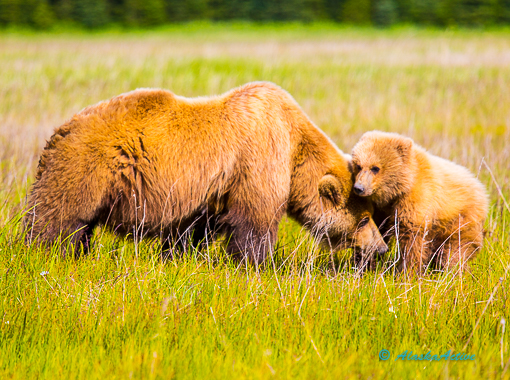
🔹 Katmai National Park: Brooks Falls - This is the quintessential Alaskan bear viewing experience. At Brooks Falls, you can stand on elevated platforms to watch massive brown bears snatching sockeye salmon directly out of the air as they jump the falls. July is the busiest month for both fish and bears, with a second peak in September when the bears return to feed on spawned-out salmon before their winter nap.
🔹 Lake Clark National Park: If you prefer a more coastal setting, Lake Clark is unbeatable. Locations like Silver Salmon Creek and Chinitna Bay allow you to see bears in a different light—grazing on protein-rich salt marsh sedges in early summer or digging for clams on the tidal flats. It is a more intimate experience where the bears are often remarkably calm as they go about their daily routines.
🔹 Admiralty Island: Pack Creek - Known by the Tlingit people as the Fortress of the Bears, Admiralty Island holds one of the highest concentrations of brown bears in the world. The Pack Creek sanctuary near Juneau is strictly managed to protect the habitat, offering a quiet environment to watch bears from a sand spit or a forest observation tower.
🔹 Anan Wildlife Observatory - Located near Wrangell in the Tongass National Forest, Anan Creek is one of the few places where you can see both brown and black bears together. They gather here to feast on a massive run of pink salmon. The site features a covered photo blind right at the water's edge, giving you a safe but incredibly close view of the action.
🔹 Denali National Park - For those heading to the interior, Denali offers the chance to see the grizzly sub-species. Unlike their coastal cousins who rely on fish, Denali grizzlies spend their time foraging for berries and roots across the open tundra. Because the landscape is so open, you can often spot them from the park road as they move across the colorful autumn brush in late August and September.
👉 Insider Tip: Alaska Wildlife Conservation Center : Just an hour south of Anchorage along the breathtaking Turnagain Arm, this sanctuary offers guaranteed sightings of rescued bears, musk ox & moose in massive, natural enclosures. It is a perfectly accessible stop where you can watch Alaska’s giants roam freely while supporting a mission dedicated to high-quality wildlife rehabilitation. Between the rescued wood bison and the wandering grizzlies, it provides some of the most reliable wildlife photography opportunities in the state.
Best Moose Viewing Spots in Alaska
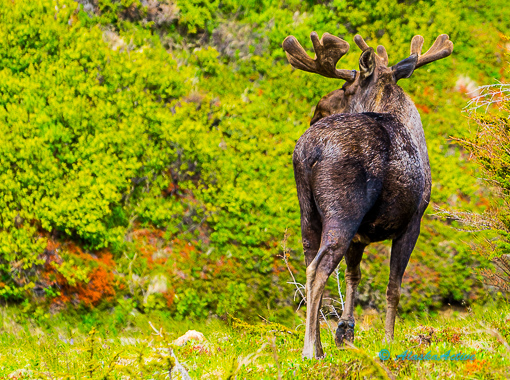
With a population of over 175,000 across the state, moose are the most commonly encountered giants in Alaska. Unlike the elusive wolf or the seasonal whale, moose can be found in nearly every region, often even wandering through the city streets of Anchorage. To see them in their most natural habitats, these locations are your best bet.
🔹 Anchorage: Kincaid Park and Potter Marsh - You do not have to travel far from the airport to find moose. Anchorage is home to an estimated 1,500 residents that roam the city’s greenbelts. Kincaid Park, located on the western tip of the city, is a 1,500-acre wilderness where moose are frequently seen along the 70 miles of trails or even in the parking lots. For a more scenic view, the boardwalk at Potter Marsh offers a chance to see moose wading through the wetlands to feed on aquatic plants against the backdrop of the Chugach Mountains.
🔹 Denali National Park: The First 15 Miles - While many visitors head deep into Denali for bears and sheep, the best moose viewing is actually found right at the beginning of the park. The first 15 miles of the Denali Park Road, specifically around the Riley Creek Campground and the Savage River drainage, are prime moose territory. They prefer the willow thickets and forested areas near the entrance. In late August and September, this area becomes a hotspot for the moose rut, where large bulls with massive palmated antlers can be seen competing for attention.
🔹 Fairbanks: Chena Hot Springs Road - In the Interior, the 60-mile stretch of road leading from Fairbanks to Chena Hot Springs is legendary for moose sightings. The road parallels the Chena River and passes through the Chena River State Recreation Area, which is filled with the sloughs and ponds that moose love. Driving this road at dawn or dusk during the summer months almost guarantees a sighting, especially near the marshy areas between mile 15 and 45.
🔹 Kenai Peninsula: Tern Lake and Portage Valley - As you drive south from Anchorage toward Seward or Homer, the intersection of the Seward and Sterling Highways at Tern Lake is a frequent hangout for moose. The shallow, nutrient-rich waters draw them in during the early morning hours. Nearby Portage Valley also provides excellent habitat, where the dense willow brush along the riverbeds provides the perfect snack for these 1,000-pound herbivores.
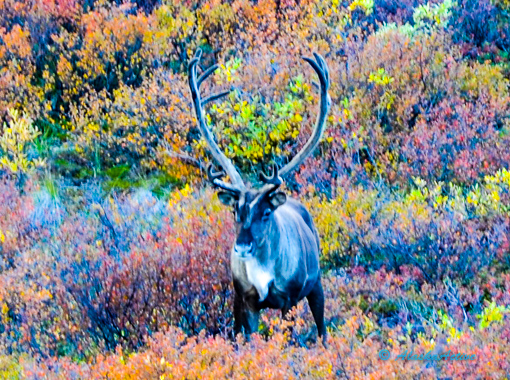 Caribou and Reindeer: The Wandering Giants of the North
While they are technically the same species, caribou and reindeer play very different roles in the Alaskan landscape. Caribou are the wild, wide-ranging nomads of the tundra, known for some of the longest land migrations on earth. Reindeer, on the other hand, are their semi-domesticated cousins, brought to Alaska from Siberia in the late 1800s. Whether you want to witness a wild herd crossing a mountain pass or walk alongside a gentle reindeer in a boreal forest, Alaska offers several ways to see these "deer of the north."
🔹 Denali National Park and the Denali Highway - The most accessible place to see wild caribou is along the 92-mile Denali Park Road. The Denali Herd often spends its summers on the high, open tundra slopes to escape the heat and insects of the valleys. For a more rugged experience, the unpaved Denali Highway—stretching from Paxson to Cantwell—provides a vast, treeless landscape where you can scan the hillsides for the Nelchina Herd. These caribou are often seen moving in small groups across the brushy plains during the late summer and fall.
🔹 The Glenn Highway: Eureka Summit - Just two hours northeast of Anchorage, the Eureka Summit area on the Glenn Highway is a high-altitude plateau that serves as a popular corridor for caribou. Between mileposts 120 and 140, the highway reaches an elevation of over 3,000 feet, putting you right in the heart of their alpine habitat. In early winter and late spring, it is common to see them foraging for lichen near the road, their white manes and massive antlers standing out against the snow or autumn colors.
🔹 Reindeer Farms: Palmer and Fairbanks - If you want a guaranteed encounter and the chance to get up close, Alaska’s reindeer farms are a must-visit. In Palmer, just 45 minutes from Anchorage, the Reindeer Farm allows you to feed and pet a herd of over 150 reindeer in a scenic valley setting. For an even more immersive experience, the Running Reindeer Ranch in Fairbanks offers guided "reindeer walks" through the woods. Instead of looking at them through a fence, you actually stroll through the forest with the herd, learning about their unique adaptations while they wander freely beside you.
👉 Insider Tip: When you see a caribou or reindeer walking, listen closely for a distinct clicking sound. This isn't their hooves hitting the ground; it is actually a tendon sliding over a bone in their ankle. This "built-in" sound helps members of a herd stay together and find each other during whiteout snowstorms or thick fog when visibility is nearly zero.
Hiking with Reindeer in Fairbanks - This video provides an up-close look at what it is like to walk with a reindeer herd in the Alaskan woods, showcasing their gentle nature and unique personalities.
Dall Sheep: The High-Altitude Acrobats
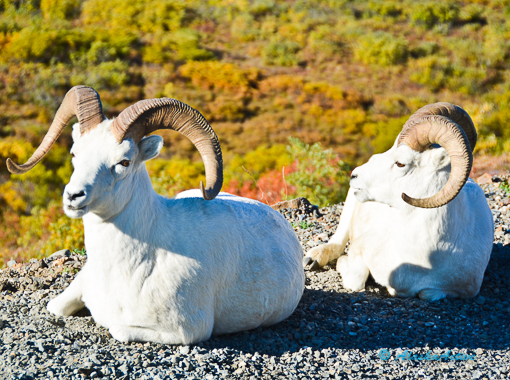
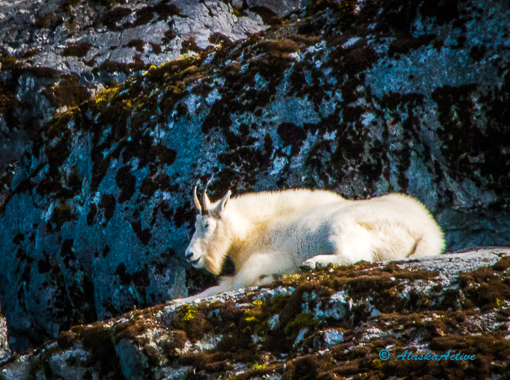
These snow-white sheep are masters of the cliffs, using steep, rocky terrain to escape predators like wolves and bears. The rams are easily identified by their massive, spiraling yellow-brown horns, which grow throughout their lives. Where to Spot Them:
🔹 Seward Highway (Turnagain Arm): Just south of Anchorage, keep your eyes on the cliffs at Beluga Point and Windy Corner. They often graze surprisingly close to the road here.
🔹 Denali National Park: Scan the high mountain slopes, especially around Igloo Mountain and Polychrome Pass. Look for small white patches that move against the green tundra.
🔹 Sheep Mountain (Glenn Highway): Located at mile 113, the gypsum-rich soil here acts as a natural mineral lick, attracting large numbers of sheep during the summer months.
👉 Insider Tip: Since Dall sheep are almost always found on high, inaccessible ridges, a good pair of binoculars or a spotting scope is non-negotiable. If you see a group of white spots that don't seem to be moving, they might just be lingering snow patches—wait a few minutes to see if one of those "patches" stands up to graze.
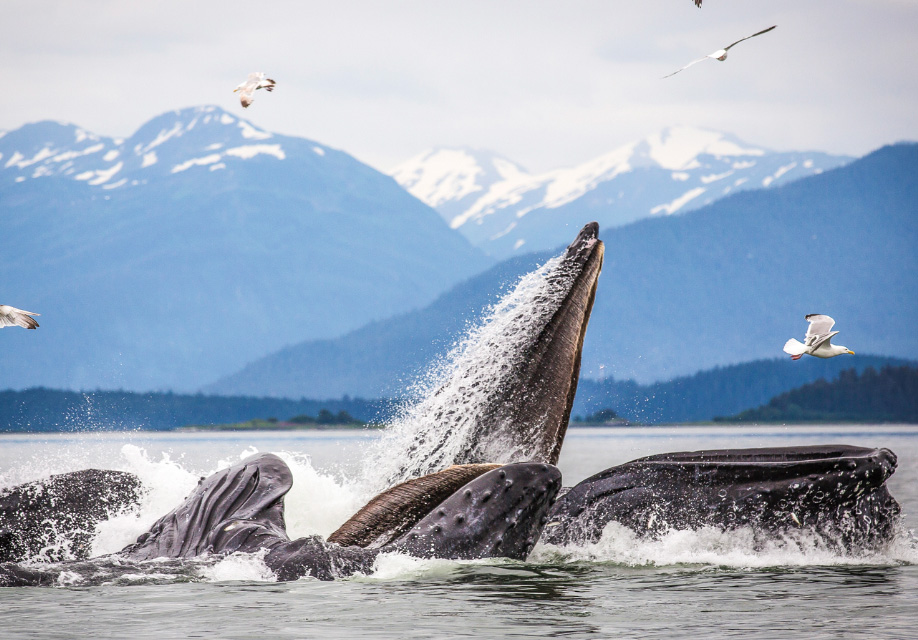 Whales: The Giants of the Deep
Alaska’s nutrient-rich waters serve as a massive summer buffet for several whale species. While you can occasionally see them from the shore, the most reliable way to witness their power is from the deck of a boat in Southeast or Southcentral Alaska.
🔹 Juneau and Icy Strait Point - Juneau is often called the whale-watching capital of the state. Humpback whales are so frequent in the waters of Auke Bay and Stephens Passage that many tour operators actually guarantee sightings from May through September. Nearby Icy Strait Point and Point Adolphus offer even higher concentrations of whales due to the unique meeting of currents that trap massive schools of herring.
🔹 Kenai Fjords National Park: Seward - Departing from Seward, you have the best chance to see orcas (killer whales) in addition to humpbacks. Resident pods of orcas are frequently spotted in Resurrection Bay during May and June as they follow the salmon runs. In the spring months of March and April, this is also the premier spot to witness the migration of gray whales as they travel from Mexico to the Arctic.
🔹 Glacier Bay National Park, Gustavus - This protected sanctuary is a world-class destination for observing humpback behavior. Because Glacier Bay National Park limits the number of large ships entering each day, the experience often feels more serene. You can watch for "fluking"—when a whale lifts its massive tail high out of the water before a deep dive—against a backdrop of towering tidewater glaciers.
🔹 Beluga Whales: Turnagain Arm - For a completely different experience, you can spot the ghostly white silhouettes of beluga whales from the road. Just south of Anchorage along the Seward Highway, belugas follow the incoming tides into Turnagain Arm to hunt for hooligan and salmon. Look for their white backs breaking the surface between mid-July and October, especially at Beluga Point.
👉 Insider Tip: Watch the birds to find the whales. If you see a large group of gulls or kittiwakes hovering and diving frantically over a single spot in the water, it usually means a whale is pushing a "bait ball" of fish toward the surface. In Southeast Alaska, this is often the first sign of bubble-net feeding—a rare, cooperative hunting behavior where a group of humpbacks blows a ring of bubbles to trap fish before surfacing all at once with their mouths wide open.
Signature Wildlife Viewing Journeys
Witness Alaska's most iconic species in their natural habitats with these expertly designed wildlife expeditions.