

Best Way to Experience Iditarod
Experience the Iditarod in Alaska: Where to Go & What to Expect
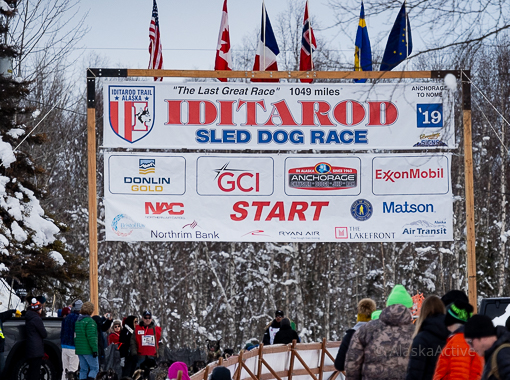
The Iditarod Sled Dog Race is a long-distance sled dog race in Alaska, covering over 1,000 miles from Anchorage to Nome. Held each March, it is considered one of the toughest endurance races in the world. The Iditarod is Alaska’s most iconic winter event, a 1,000-mile feat of endurance that connects the modern world to the state’s rugged frontier past. But while many people have heard of the Iditarod, far fewer understand how the race actually works.
How far do teams travel each day? How do mushers care for their dogs along the trail? And what does it really take to finish one of the most challenging races on Earth?
From the historical 1925 Serum Run to the high-tech logistics of modern checkpoints, this guide breaks down the essential mechanics of "The Last Great Race." Whether you are a first-time spectator or a lifelong fan, understanding the strategy behind the sled is the first step to experiencing the magic of the trail.
How can you best experience the Iditarod in Alaska?
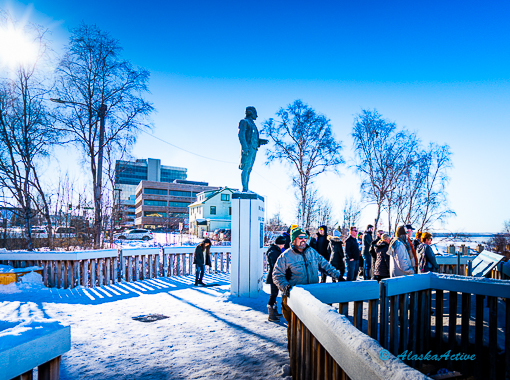
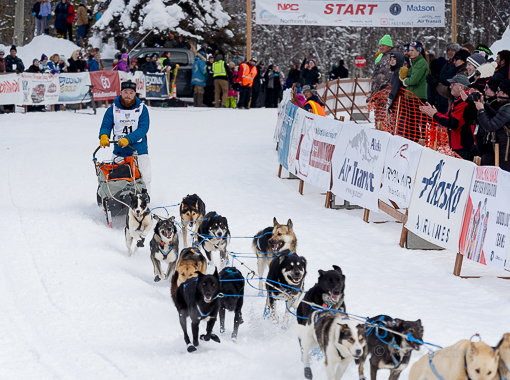
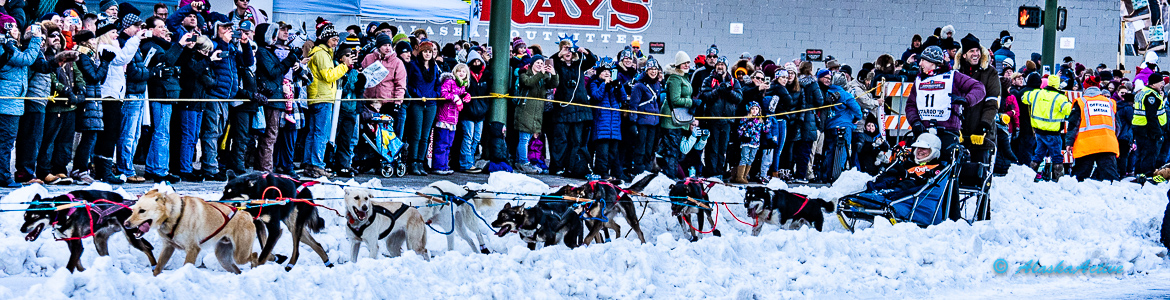
The best way to experience the Iditarod in Alaska is to combine several key locations and moments of the race, rather than watching it from just one place. Start with the ceremonial start in Anchorage, where you can get close to the teams, take photos, and feel the energy of the event. Then continue to Willow for the official restart, where the race truly begins and the atmosphere shifts from celebration to focus.
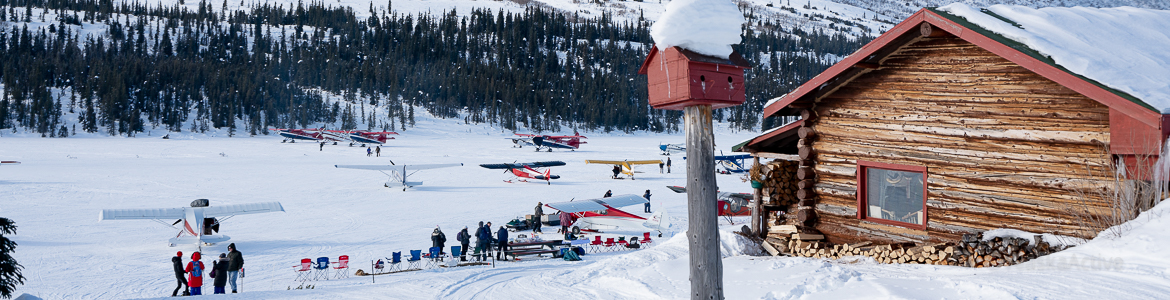
From our experience, the most memorable part is going beyond the start line. Visiting remote checkpoints like Rainy Pass and Nikolai — by skiplane — gives you a completely different perspective. Here, you see the race in its rawest form, far from crowds, where mushers and dogs move through the Alaskan wilderness.
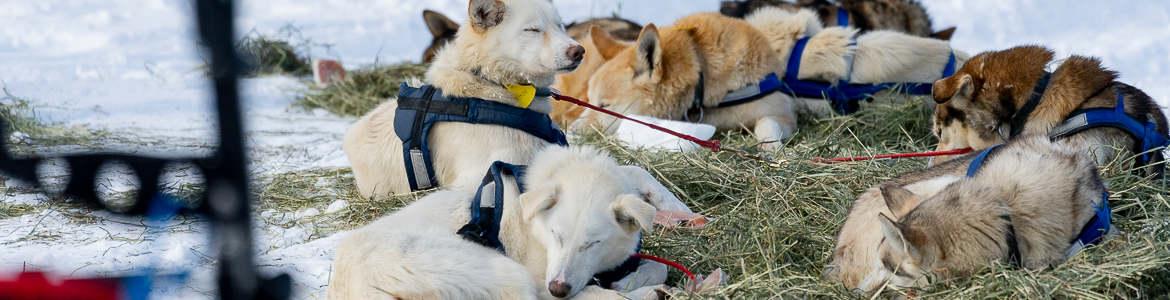
Adding a visit to a working sled dog kennel also makes a big difference. It allows you to meet the dogs, understand their training, and see the bond between mushers and their teams up close.
Because logistics in Alaska can be complex — distances are large, access is limited, and timing matters — many travelers choose a guided Iditarod tour. This ensures you are in the right place at the right time and don’t miss the key moments of the race.
Can You Visit Remote Iditarod Checkpoints?
Yes - if you’re looking for a mix of accessible and truly remote checkpoints along the Iditarod Trail Sled Dog Race, these locations follow the natural progression of the trail from the Alaska Range to the Bering Sea coast near Nome.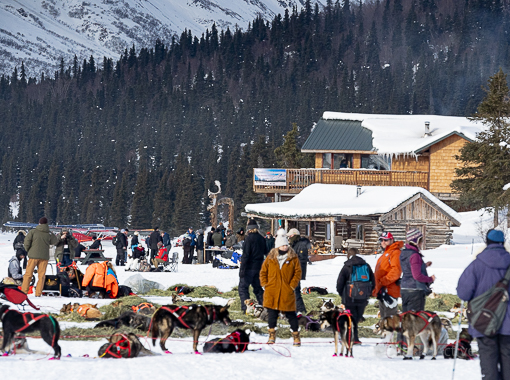 Rainy Pass, set in the Alaska Range, comes early in the race and is one of the most dramatic sections, where mushers cross rugged mountain terrain in highly unpredictable weather, typically accessible only by bush plane. From there, the route continues to Nikolai in Interior Alaska, one of the first true rural village checkpoints, known for strong local community involvement and offering a more accessible yet still remote cultural experience.
As the race moves westward toward the coast, White Mountain becomes a critical mandatory rest stop about 77 miles before Nome, where mushers pause and plan their final strategy. Safety lies roughly 22 miles from Nome, marking the final checkpoint along a wild, wind-swept coastline.
The race ultimately ends in Nome, where mushers pass under the Burled Arch, completing their journey with the easiest access for visitors and a lively finish-line atmosphere.
How Close Can You Get to Mushers and Their Dog Teams?
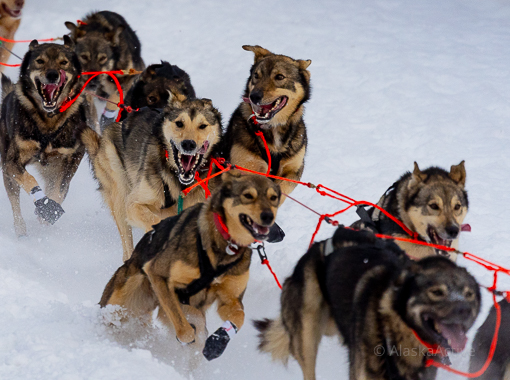
At the Iditarod Trail Sled Dog Race, you can get surprisingly close to mushers and their dog teams, but it depends on where you are along the trail. At the ceremonial start in Anchorage, spectators can stand right along the street, interact with mushers, and see the dogs up close in a festive and relaxed setting. At the official restart in Willow, access is still quite open, although slightly more structured as the race begins.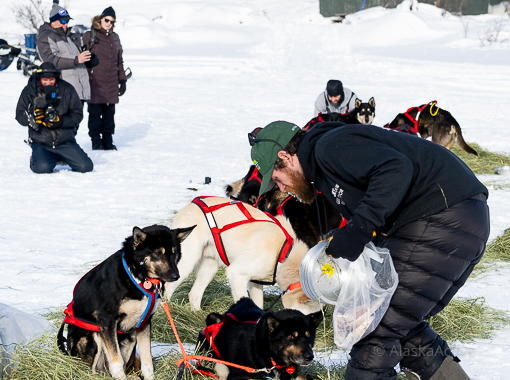 Along the trail at remote checkpoints, such as Nikolai or White Mountain, you can often stand just a few feet away as teams arrive, rest, and prepare to leave, offering a very intimate and authentic experience. Mushers are usually focused but may still interact briefly, especially during longer rest periods.
However, there are clear boundaries. Spectators must never interfere with the dogs or equipment, and handlers and race officials manage designated areas around each team. The closer and more remote the location, the more respectful and low-key the interaction needs to be.
Can Visitors Meet Iditarod Sled Dogs?
The best way to truly meet sled dogs from the Iditarod Trail Sled Dog Race is outside of race time, by visiting working kennels across Alaska. Around Anchorage, Happy Trails Kennel by Martin Buser offers close-up kennel visits where you can meet retired champions and future race dogs. Near Seward, Seavey’s IdidaRide Sled Dog Tours and Turning Heads Kennel offer two of the most renowned sled dog experiences, blending rich Iditarod heritage with hands-on time alongside the dogs. At Denali, Husky Homestead - home of Iditarod champion Jeff King - offers immersive tours focused on training and daily life. Around Fairbanks, kennels like Trail Breaker Kennel provide a more remote, authentic setting to interact with active race teams.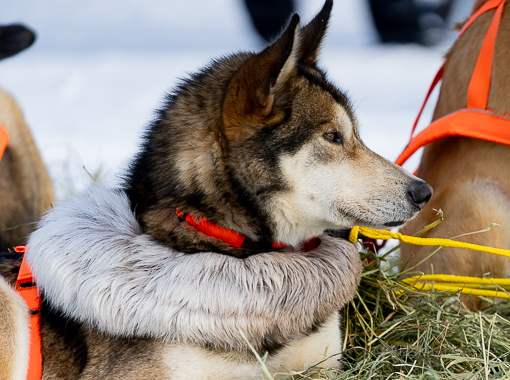
In summer, many of these kennels switch to wheeled ATV or cart rides, letting you experience the power of a dog team even without snow. One of the most unique options is flying by helicopter onto a glacier, where mushers keep their dogs in cooler conditions - here you can meet the teams and even try summer dog sledding on snow.
In winter, the experience becomes even more immersive, with traditional sled dog rides through snowy landscapes, often guided by real Iditarod mushers or their teams.
Are Iditarod Dogs Friendly and Safe to Be Around?
Sled dogs from the Iditarod Trail Sled Dog Race are known not just for their incredible endurance, but also for their consistently friendly and reliable temperament. Generations of careful breeding have prioritized not only physical strength and stamina, but also social behavior - these dogs must work closely with humans and other dogs in demanding conditions, so aggression or unpredictability is simply not tolerated.
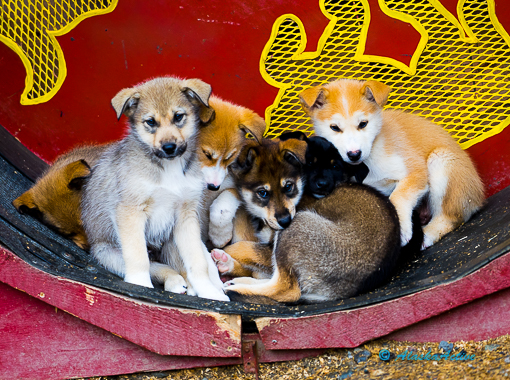
In professional kennel environments, sled dogs are typically very approachable. They are used to regular human interaction from an early age, including feeding, training, grooming, and handling. Because of this, most dogs are relaxed around visitors and often actively seek attention. It’s common to see them wagging their tails, leaning in for pets, or vocalizing in excitement when people arrive. Their social nature is a key part of their personality, not just a byproduct of training.
Puppies, in particular, tend to be curious, energetic, and highly interactive - often climbing, nibbling, and playfully engaging with anything new. Adult dogs, on the other hand, usually display a calmer, more focused demeanor. They are accustomed to routines and respond well to commands, making them easy to handle even for first-time visitors, as long as basic guidance is followed.
That said, context matters. During the race itself or at remote checkpoints, these same dogs are in a completely different mindset. They are athletes in the middle of an intense endurance event, often resting, eating, or preparing for the next run. In those situations, handlers carefully manage all interaction to ensure the dogs can recover properly and stay focused. Visitors are usually asked to observe rather than engage directly.
Can you get a cell signal along the Iditarod Trail?
Cell phone coverage along the Iditarod Trail is very limited and inconsistent. While you can typically find a signal in larger hubs and villages like Anchorage, McGrath, Unalakleet, and Nome, the vast majority of the 1,000-mile trail passes through remote wilderness with no cell service.
Because of these dead zones, race participants and support teams rely heavily on satellite phones and GPS trackers for communication and safety. If you are traveling the trail, do not count on a cellular connection between checkpoints.
How Do Weather Conditions Affect Iditarod Viewing?
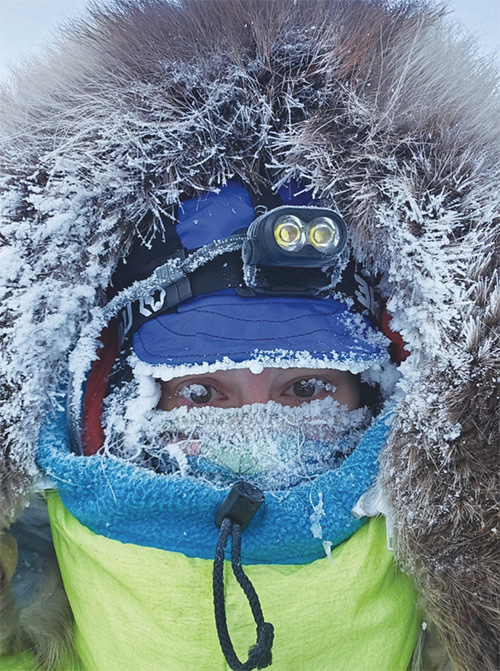
Weather plays a big role in shaping how you experience the Iditarod Trail Sled Dog Race - and that’s part of what makes it so unique. While blizzards or strong winds can occasionally delay bush plane access to remote checkpoints, these moments often become part of the adventure, giving you more time to soak in Alaska’s rugged landscape and local communities.
Warmer temperatures can lead to adjustments, such as shifting the race start further north, but this also offers the chance to see different regions of the trail. On the colder side, crisp Arctic conditions create stunning scenery, and with the right gear, watching teams pass through snowy wilderness is an unforgettable experience.
Visibility and trail conditions can change, but that’s all part of following a true wilderness race. With a flexible mindset, these elements don’t take away from the experience - they add to the sense of authenticity and excitement that makes the Iditarod so special. The right clothing makes all the difference in how comfortable you feel. With proper layers and cold-weather gear, you can stay warm, enjoy the experience, and spend more time outdoors watching the Iditarod Trail Sled Dog Race without discomfort.
Is It Possible to See the Iditarod Without Crowds?
Seeing the Iditarod without crowds is absolutely possible — but it depends on where you go. Anchorage and Willow are the busiest locations, especially during the start of the race. That said, they are still very much worth experiencing. In Anchorage, you can avoid the densest crowds downtown by watching the teams further along the 11-mile route, for example in Midtown or near Campbell Airstrip at the end of the run. These spots feel more relaxed while still giving you great access to the teams.
Once the race moves beyond the road system, everything changes. The Iditarod quickly becomes quiet and remote, with only small groups of spectators or local communities along the trail. This is where you can experience the race without crowds at all - often only accessible by ski plane or snowmobile, deep in the Alaskan wilderness. From our experience, combining both is ideal — take in the energy of the start, then step away from the crowds to experience the race in a more personal and authentic setting.
Iditarod Quick Facts
Distance
Approximately 1,000 miles (1,600 km) across remote Alaska from Anchorage to Nome.
Race Duration
Teams typically take 8 to 15 days to complete the race, depending on conditions.
When
Held every year in early March, with the ceremonial start in Anchorage.
Dog Teams
Each musher starts with up to 16 sled dogs, relying on teamwork and endurance.
Start & Finish
The race begins in Anchorage (ceremonial) and restarts in Willow, finishing in Nome.
History
Inspired by the 1925 serum run, the modern race was first held in 1973.
You can also experience the Iditarod in person on one of our tours
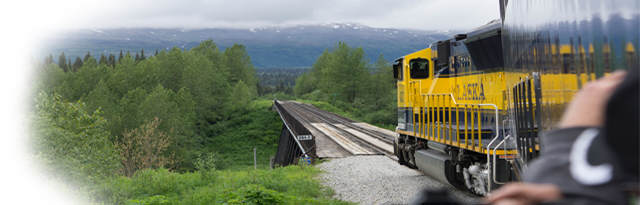
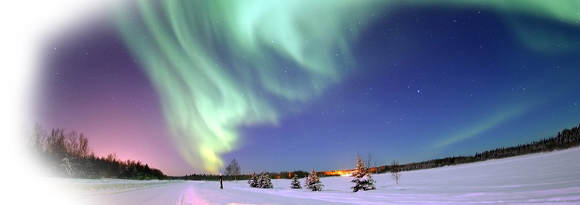
At Alaska Active, we specialize in custom, independent travel that follows the spirit of the trail. Whether you want to witness the race start in Anchorage, journey north via the Alaska Railroad, or combine your trip with Northern Lights Viewing, we handle the logistics so you can experience the heart of the wild on your own terms.
Signature Iditarod Journeys
Follow the path of the Great Race and witness the magic of the Arctic. These winter expeditions offer a front-row seat to Alaska's most iconic traditions.