Slide background
Slide background

Info Center

Welcome to Alaska !

Alaska is “The Great Land” and Alaska Active has been providing amazing experiences to travellers of this great land. We are a Travel and Tourism provider in Alaska offering specialised tour packages to cater to the requirements of individuals as well as groups. We are passionate, local travel experts and are eager to help our travellers to get the very most out of their Alaska travel holiday. Please browse around the site to see what puts us closer to your Alaska Vacation. The tours that we suggest are based on our experience as well as learning’s from the feedback so that you have a well tuned tour no matter which one you pick. Almost all pictures that you see on our website are captured by our staff. The combination of the itinerary of the tours with the prices that we offer might be the best that you can find. On top of it, we offer tailor made tours for your specific requirements.

When to Visit Alaska

Best Time to Visit Alaska: The Updated Insider’s Guide

Planning the ultimate Alaska adventure? Whether you’re chasing the dancing Northern Lights, seeking the endless "Midnight Sun," or hoping to spot the "Big Five" in Denali, timing is everything. This year, Alaska is expected to see some of the most intense Aurora Borealis activity in a decade due to the Solar Maximum. This guide breaks down the weather, wildlife, and celestial events to help you choose the perfect week for your journey.

Month Season Avg Temp Daylight The Insider Catch
January Deep Winter 5°F / 20°F 6-8 hrs Best for quiet Aurora viewing and photography. Anchorage Folk Festival, Glennallen: Copper Basin 300 Sled Dog Race, Bethel: Kuskokwim 300 Sled Dog Race, Seward: Polar Bear Jump Off
February Deep Winter 10°F / 25°F 8-10 hrs Winter sports, Anchorage: Fur Rendezvous ("Fur Rondy") & Running of the Reindeer, Fairbanks: World Ice Art Championships (Starts mid-Feb), Big Lake to Fairbanks: Iron Dog Snowmobile Race (World's Longest), Cordova: Iceworm Festival
• Fairbanks: Festival of Native Arts
March Peak Aurora 15°F / 35°F 11-13 hrs Ideal balance of daylight and dark nights for Aurora. Anchorage/Willow: Iditarod Trail Sled Dog Race (Start), Fairbanks: BP World Ice Art Championships (Peak Aurora Viewing) Nome: Iditarod Finisher's Banquet & Festivities
April Breakup 30°F / 45°F 14-16 hrs Spring skiing and watching the ice thaw, Alyeska Resort: Spring Carnival & Slush Cup
May Shoulder 40°F / 55°F 17-19 hrs Driest month. Great value, Baby animals, and no mosquitoes! Bear viewing - bears are emerging from hibernation and are hungry.
June Peak Summer 50°F / 70°F 20-24 hrs The Midnight Sun, Hiking, Solstice Festivals. Everything is open and active.
July Peak Summer 55°F / 75°F 19-21 hrs Hottest weather and peak salmon runs for bears, whale watching
August Late Summer 50°F / 65°F 16-18 hrs Glaciers, Wild berries and prime grizzly viewing for bears catching salmon
September Fall Shoulder 40°F / 55°F 13-15 hrs Fall colors and the return of the Aurora, no bugs
October First Snow 25°F / 40°F 10-12 hrs Quiet cities and early-season winter vibes.
November Winter 15°F / 30°F 7-9 hrs Great for local holiday markets and cozy stays, Haines Chilkat Valley Bald Eagle Festival, Homer Bald Eagle Festival
December Winter 5°F / 25°F 5-7 hrs True winter wonderland and Christmas magic, New Years Eve Torchlight Parade & Fireworks at Alyeska Resort, Anchorage Christmas Bazaar & International Film Festival

Fairbanks Northern Lights early morning Chasing the Lights: Best Weeks for Aurora Viewing

The "Aurora Season" runs from August 21 to April 21. However, for the best experience, you want to avoid the full moon (which washes out the lights) and aim for the Equinoxes, when geomagnetic activity is highest. Top Aurora Windows:

🔹 March 14 – March 28 : The Spring Equinox window. Crisp skies and high solar activity. 🔹 September 15 – September 30: The Autumn Equinox. Stunning fall foliage by day, vibrant lights by night. 🔹 New Moon Bonus: Look for the weeks of January, February March and October for the darkest skies.


Alaska Month-by-Month Guide

May: The "Dry" Shoulder Season

May is one of the most underrated months in Alaska. It is historically the driest month, meaning you have the best chance of seeing the mountain peaks without cloud cover. 🔹 Wildlife: Gray whales migrate north; moose calves are born. 🔹 Pro Tip: Cruise prices are at their lowest, and the "mosquito season" hasn't started yet. Join the Kachemak Bay Shorebird Festival 

June: The Land of the Midnight Sun

June 21 marks the Summer Solstice. In Fairbanks, the sun technically doesn't set, providing 24 hours of usable light. 🔹 Events: Midnight Sun Baseball Game (Fairbanks) and Solstice festivals. 🔹 Experience: This is the best time for high-altitude hiking as the snow finally clears from the trails.

July: The Heart of Summer

This is the warmest month and the peak of the tourist season. 🔹 Wildlife: The legendary salmon runs begin, drawing grizzly bears to the rivers (Brooks Falls). 🔹 Activity: July is prime time for glacier trekking and kayaking in Kenai Fjords. Join the Bear Paw Festival, Girdwood Forest Fair, Salmonfest in Ninilchik, Copper River Salmon Jam

August: Wildlife & Wildberries

As the rain increases slightly, so does the activity of the animals. 🔹 Wildlife: Huge pods of Humpback whales are frequently spotted in the Inside Passage. 🔹 Experience: The tundra begins to turn vibrant shades of red and orange by late August. Many festivals are happening e.g. famous Alaska State Fair, Alyeska Blueberry Festival, Bearfest in Wrangell 

September: The Photographer’s Dream

🔹 September is short but spectacular. By the second week, the "termination dust" (first snow) appears on mountain peaks. With the solar cycle peaking, late September offers a rare chance to see the Aurora reflected in unfrozen lakes - a photographer's holy grail.


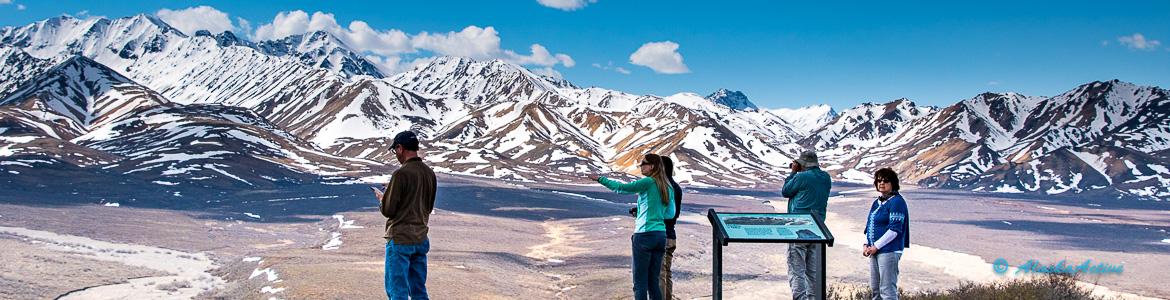
denali national park unpredictable weather

Weather Expectations: What to Pack?

Alaska weather is famously unpredictable. Even in July, a "heatwave" might be 75°F (24°C), while a rainy day can drop to 50°F (10°C).

The Alaska Layering System:
🔹 1. Base Layer: Moisture-wicking synthetic or merino wool.
🔹 2. Insulating Layer: A fleece or "puffy" down jacket.
🔹 3. Shell Layer: A high-quality waterproof rain jacket (don't settle for "water-resistant").


Frequently Asked Questions (FAQ)

🔹 What is the best month to visit Alaska for the first time?

For a first-time visitor, July is often considered the safest bet because every road, tour, and visitor center is fully operational under the warmest temperatures of the year. However, if you want a premium experience with fewer crowds and unique advantages, we highly recommend looking at the shoulder seasons. May is an incredible time to visit as it marks the fresh start of the season with massive daylight hours and historically low rainfall. It is actually one of the best times for wildlife spotting in Denali National Park because the willow shrubs haven't leafed out yet, meaning bears and moose have no camouflage and are easily visible against the spring landscape. Furthermore, grizzlies often hang around the park road in May to avoid the deeper snow still lingering in the high alpine. Alternatively, early September is a local favorite because the mosquitoes have died off, the tundra turns a brilliant crimson, and you get a rare two-for-one deal where you can view grizzly bears by day and the Northern Lights by night.

🔹 When is the best time to see bears in Alaska?

The best time to see bears depends entirely on the specific behavior and scenery you want to witness. If you are chasing the iconic "National Geographic" moment of bears catching salmon mid-air, you should plan to visit in July and head specifically to Brooks Falls in Katmai National Park. For those visiting earlier in June, a fly-in trip to Lake Clark National Park at Chinitna Bay is the premier choice; because the salmon haven't arrived yet, you will see mothers and cubs grazing on lush coastal sedge grasses and digging for clams along the beach. For a truly remote experience away from the crowds, Admiralty Island near Juneau is home to one of the highest concentrations of brown bears in the world. Known as "Fortress of the Bears," it offers an incredible, immersive wilderness environment where you can observe these massive creatures in their natural habitat with very few other travelers in sight. If your journey takes place in August, Denali National Park offers a different but equally spectacular experience, as grizzlies move to the hillsides around the Eielson area to spend eighteen hours a day gorging on wild blueberries to bulk up for the winter.

🔹 Will I see the Northern Lights in the summer?

The short answer is no. While solar activity remains high regardless of the season, the presence of the Midnight Sun during June and July makes the sky far too bright to see the Aurora. You need true darkness for the lights to be visible, which typically does not return to the Alaskan skies until approximately August 21st. If the Northern Lights are your primary goal, you should skip the height of summer and aim for the Autumn Equinox in late September or the Spring Equinox in March, when geomagnetic activity is at its peak and the nights are sufficiently dark.

🔹 Is Denali National Park open year-round?

While Denali National Park is technically open all year, the primary infrastructure, visitor centers, and bus services for travelers are active from June 1st through September 10th. During the peak summer months, narrated tour buses and transit shuttles provide the only motorized access into the heart of the park, offering the best opportunities for spotting the "Big Five" against the backdrop of the Alaska Range. If you choose to visit during the shoulder seasons of May or late September, it is important to note that bus services typically do not run, meaning private vehicles are generally restricted to the first 15 miles of the park road at Savage River. While this early or late access still offers beautiful views, planning your journey during the full operational window between June and early September ensures you can reach the deeper, more remote wilderness areas where wildlife activity is most concentrated.


Ready to Plan Your Alaska Vacation?

At Alaska Active, we specialize in custom, independent travel experiences. Whether you're looking for an iconic Alaska Railroad journey, a scenic self-drive adventure, or a comfortable coach tour, we handle the details so you can experience the heart of the wild on your own terms - far away from the cruise ship crowds.

Signature Seasonal Journeys


Whether you seek the midnight sun of June or the crimson tundra of September, these itineraries are designed to capture Alaska at its peak.

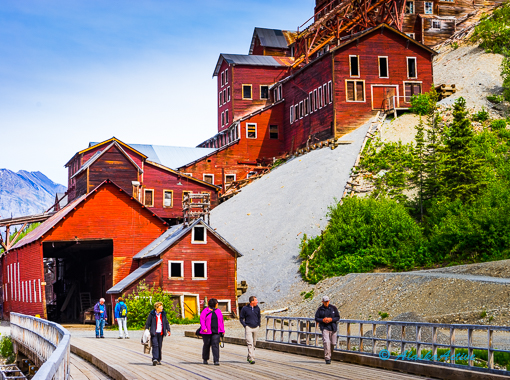
Kennecott Mill in summer
Peak Summer | 10 Days

Journey Beyond Nature

The definitive summer expedition. Maximize your daylight hours as you travel from the coastal fjords to the heart of the interior during the height of the wildlife season.

Explore Trip
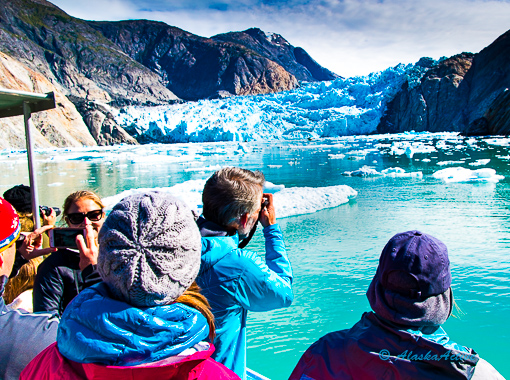
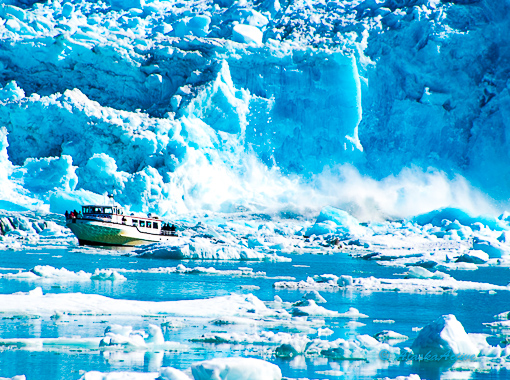
glacier calving in Tracy Arm Fjord
Land & Sea | 9 Days

Alaska by Land and Sea

Perfect for mid-season travelers. This road trip follows the thaw of spring into the vibrant greens of summer, offering the best of coastal and mountain climates.

Explore Trip
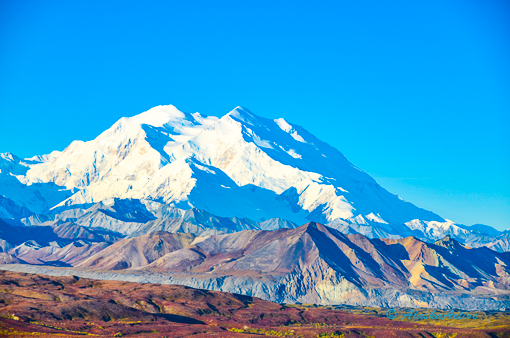
Mt. Denali landscape in autumn
Late Season | 4 Days

Denali Taster

A focused journey into the wild. Ideal for those looking to witness the spectacular fall foliage and the active wildlife prep for winter in late August and September.

Explore Trip

Arriving & Travel Basics: Everything You Need to Know

Arriving & Travel Basics: Everything You Need to Know

What to expect at the border, legal essentials, and the best ways to kickstart your journey north.

Visiting Alaska 101

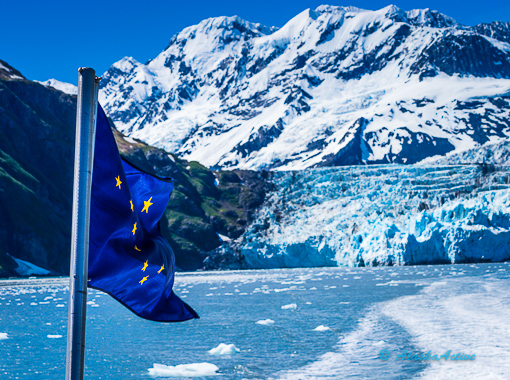
Alaska Flag on the Alaska Ferry

You're going to have fun! Alaska is a magnificent state with endless mountains, glaciers, and fantastic wildlife. Your visit to the "Great Land" will be one of the most memorable vacations you'll ever take. We’ve designed this guide as a comprehensive backgrounder for first-time visitors and international travelers alike.

Navigating a state this vast requires a bit of strategy. From choosing the best Alaska transportation to understanding arrival logistics, we’ve simplified the basics so you can focus on the adventure. Distances between destinations can be greater than many travelers expect, and weather conditions can also influence travel plans. With a little preparation, getting around Alaska becomes part of the adventure itself. If you're ready to start exploring, check out our small group tours and multi-day adventure packages to see how we bring these travel basics to life. Our goal is to ensure you arrive prepared to experience the scale and beauty of the Last Frontier with ease.


Getting into Alaska

Like any travel destination, there are rules to protect borders and security, but entering Alaska is straightforward. Here are the basic rules around this subject:

🔹 Proof of Citizenship: If you are flying domestically from the lower 48 states, you generally need a Real ID-compliant license or passport. If driving through Canada to reach Alaska, you must have a passport.
🔹 International Visitors: Visitors from countries outside the USA require a passport. Depending on your country of origin, you may also need to apply for an ESTA (Electronic System for Travel Authorization) under the Visa Waiver Program or obtain a visitor visa.
🔹 Traveling with Minors: If you are traveling with minor children who are not your own, or if the other parent is not accompanying you, it is highly recommended to have a notarized letter from the absent parent(s) granting permission to travel.

Note: If you are driving to Alaska, you will be crossing the Canadian border. Ensure you meet all Canadian entry requirements as well, including ArriveCAN if currently applicable, though most restrictions have been lifted.


denali national park unpredictable weather

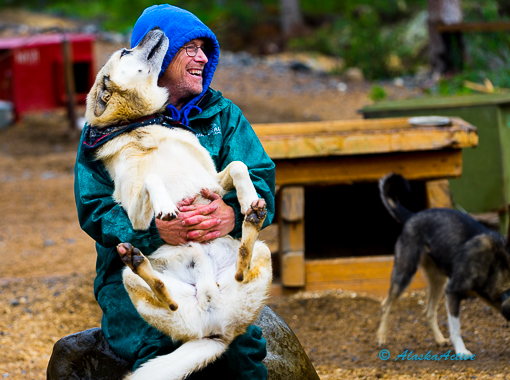
Jeff King with his sled dog


Can I Bring My Pet with Me?

Dogs and cats are allowed to enter Alaska with you as long as they appear in good health. For entry into Alaska specifically, you typically need a current health certificate issued by a veterinarian within 30 days of travel and a valid rabies vaccination certificate.
If you are driving through Canada, remember to check Canadian regulations for transporting pets, which are generally similar (valid rabies cert), but always verify before travel.


Moose's Tooth Pub in AnchorageBringing Alcohol or Tobacco into Alaska

If you are arriving from an international location, US Customs limits apply:

🔹 Alcohol: One liter (33.8 fl. oz.) of alcoholic beverages may be entered free of duty if you are 21 years or older and it is for personal use.
🔹 Tobacco: You may bring up to 200 cigarettes and 100 cigars (non-Cuban) duty-free. If you are traveling domestically from the US, there are no specific limits on personal quantities, provided they are for personal consumption.

Cannabis (marijuana) is legal in Alaska for adults 21 and over to consume for recreational purposes. However, there are strict laws:

🔹 Do Not Cross Borders: It remains illegal under US Federal Law. You absolutely cannot transport cannabis across the border, even if it is legal in both Alaska and Canada. This is a federal felony.
🔹 Consumption: Public consumption is generally prohibited. Consume only on private property where allowed.
🔹 Driving: Driving under the influence of cannabis is illegal and carries the same penalties as alcohol DUI.


Small Boat in Tracy Arm Fjords

Operating a Boat in Alaska

If you are visiting and plan to operate a boat, be aware of safety regulations. You generally do not need a specific license for recreational boating if visiting for a short period, but you must comply with US Coast Guard safety equipment requirements (life jackets for everyone, fire extinguishers, signaling devices).

Invasive Species: Alaska is protective of its waters. Ensure your boat is clean, drained, and dry before launching to prevent the spread of invasive species. Felt-soled wading boots are prohibited in some areas to protect fish habitats.


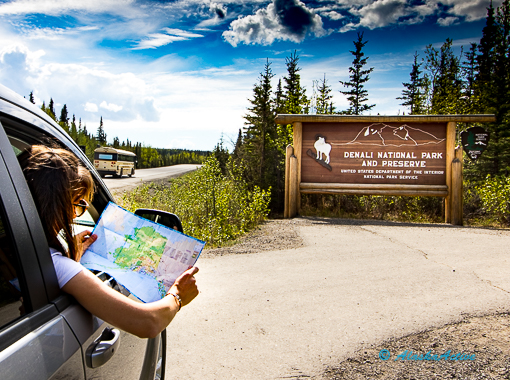
Rental Car at Denali National ParkDriving in Alaska

If you have a valid driver's license from your home state or country, it is generally valid in Alaska. Important distinctions:

🔹 Speed Limits: Posted in Miles Per Hour (MPH).
🔹 Distance: Measured in miles.
🔹 Conditions: Roads can be rough, and frost heaves are common. Wildlife often crosses roads, so stay alert.
🔹 Headlights: It is required to have headlights on at all times on many major Alaskan highways.


Using US Currency 

💵 Alaska uses the US Dollar ($). Credit cards are widely accepted, but it is wise to carry cash for smaller remote vendors or tips. If you are coming from Canada, exchange your Canadian dollars before arriving or at a bank, as the exchange rate at local businesses may not be favorable.


Salmon Fishing in Kenai River Getting an Alaska Fishing or Hunting License 

Non-residents who want to fish or hunt in Alaska must have a valid license.
🔹 Fishing: You can purchase a non-resident sport fishing license online from the Alaska Department of Fish and Game (ADF&G) or at many grocery stores and sporting goods shops in the state. King Salmon stamps are required if targeting that species.
🔹 Hunting: Hunting regulations are complex. Non-residents often require a registered guide for specific big game species (like Brown/Grizzly Bear, Sheep, or Goat). Ensure you have the correct tags and harvest tickets.


Fishing in Alaska Using Live Bait

Alaska has very strict rules regarding bait to prevent invasive species. In many freshwaters, the use of live fish as bait is prohibited. Always check the specific regulations for the body of water you are fishing in the ADF&G regulation booklet.


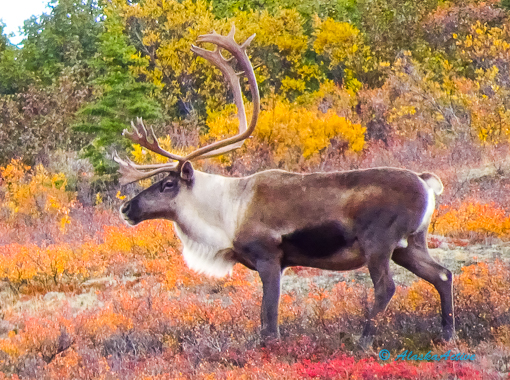
Caribou at Eielson Visitor Center DenaliWhat are the Rules Around Bringing Food to Alaska? 

Restrictions on food items depend on where you are arriving from:
🔹 From Lower 48: Generally no restrictions on processed foods.
🔹 International: You must declare all food products. Fresh fruits, vegetables, and meats may be restricted by the USDA to prevent pests and diseases.
🔹 Restrictions: Specific restrictions may exist for poultry or pork products depending on current disease outbreaks (like H5N1 or Swine Fever). Check the USDA APHIS website for the latest traveler information.


Healthcare for Visitors 

Healthcare and emergency services are available in major Alaskan cities (Anchorage, Fairbanks, Juneau), but specialized care may be limited in remote towns.

🔹 Insurance: If visiting from outside the US, check if your policy covers you abroad. Medical evacuation from remote Alaska can be extremely expensive, so travel insurance with medical evac coverage is highly recommended.
🔹 Emergencies: Dial 911 for emergencies. Keep a list of medications and allergies handy.


Cellphone and Internet Service 

While in major cities like Anchorage or Fairbanks, you will have excellent 4G/5G/LTE service. However, Alaska is vast and wild.
🔹 Remote Areas: Once you leave the main highway corridors, cell service often disappears. Be prepared to disconnect.
🔹 Wi-Fi: Most hotels and lodges provide Wi-Fi, but speeds can be slower than what you are used to in the "Lower 48".
🔹 Roaming: Check with your provider about roaming in Alaska. Some major US carriers work seamlessly, while others may roam on local networks.


What are the Rules Around Firearms?

Alaska generally has very permissible gun laws compared to Canada.

🔹 Flying: You may transport unloaded firearms in checked baggage if they are in a locked, hard-sided container and declared to the airline.
🔹 Driving: If driving through Canada, you must strictly adhere to Canadian firearms laws (no handguns, strict transport rules). However, once in Alaska, US federal and state laws apply.
🔹 Open Carry: Alaska is a "constitutional carry" state, meaning no permit is required for open or concealed carry for eligible adults, though restrictions apply in certain areas like federal buildings, schools, and national parks.


Visiting Alaska with a Criminal Record

If you plan to drive through Canada to reach Alaska and you have a criminal record (including a conviction for DUI/DWI), this is a significant issue. Canada has strict inadmissibility rules. However, if you are flying directly into Alaska from the US or internationally, US entry laws apply.
For entering the US (Alaska):
🔹 Generally, a single DUI is not an automatic bar to entry into the USA, unlike Canada.
🔹 However, crimes involving "moral turpitude" can make you inadmissible.
🔹 If you have a criminal record, it is recommended to apply for a US Visa in advance rather than relying on the Visa Waiver Program.


Ready to Plan Your Alaska Vacation?

At Alaska Active, we specialize in custom, independent travel experiences. Whether you're looking for an iconic Alaska Railroad journey, a scenic self-drive adventure, or a comfortable coach tour, we handle the details so you can experience the heart of the wild on your own terms - far away from the cruise ship crowds.

Essential Alaska Journeys


Build your dream vacation on a foundation of Alaska’s most iconic routes. These core itineraries cover the must-see highlights with expert logistics.

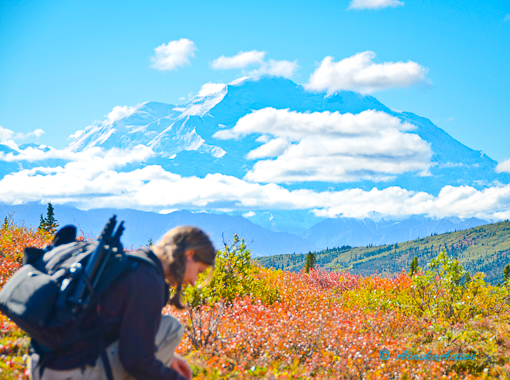
Hiker in Denali National Park
Rail & Sea | 7 Days

Mountain High Whittier Rail

A perfect introduction to the coast. Experience the dramatic Whittier tunnel, Prince William Sound glaciers, and the towering peaks of the Chugach Range via rail.

Explore Trip
beautiful caribou in Denali National Park
Self-Drive | 5 Days

Peaks of Denali Road Trip

For those who value independence. Master the basics of Alaskan driving on this classic loop from Anchorage to the heart of Denali National Park.

Explore Trip
Alaska Railroad crossing a bridge
All Rail | 6 Days

National Parks by Rail

The ultimate logistics-free journey. Use the Alaska Railroad to connect the state's premier national parks while relaxing in glass-domed luxury.

Explore Trip

Where to Find Wildlife

Where to find Wildlife in Alaska: Everything You Need To Know

Discover the best hotspots for bears, whales, and moose with an insider’s look at peak viewing seasons.

Mountain Goat in Glacier Bay NP

Alaska is a vast mosaic of untouched habitats where thousands of species thrive in their natural state. Nature isn't just a backdrop here; it is the very soul of the Alaskan identity, with the state's iconic symbols—from the totem poles of the southeast to the flag's North Star—deeply rooted in the wild. This unparalleled abundance has made the Last Frontier the world’s ultimate destination for wildlife viewing. In short:
🔹 The best places to see wildlife in Alaska are Denali National Park, the Kenai Peninsula, Katmai & Lake Clark, and the Inside Passage.
🔹 What are Alaska's 'Big Five' Wildlife ? The most sought-after Alaskan animals are bears (brown, black, and polar), followed by moose, caribou, Dall sheep, wolves. But don't forget whales, walrus, seals, sea otters and bald eagles.
🔹 Book a dedicated wildlife-viewing expedition to move beyond the roadside and reach the heart of the action. These are the most iconic species in Alaska and the best locations to find them. While wildlife viewing can never be guaranteed, a little luck—combined with the expertise of our Travel Designers and local bush pilots who know how to put you in the right place at the right time—goes a long way. With us, you are perfectly positioned to witness a humpback whale bubble-net feeding, a massive brown bear claiming its spot at a salmon-rich waterfall, or a silent wolf pack crossing the crimson tundra of the Brooks Range.


The Best Bear Viewing Spots in Alaska 

Alaska is home to nearly 98 percent of the brown bear population in the United States, making it the premier destination for anyone looking to see these giants in the wild. While you can spot bears across much of the state, these specific locations offer the most reliable viewing during peak seasons.

Bears at Silver Salmon Creek

🔹 Katmai National Park: Brooks Falls - This is the quintessential Alaskan bear viewing experience. At Brooks Falls, you can stand on elevated platforms to watch massive brown bears snatching sockeye salmon directly out of the air as they jump the falls. July is the busiest month for both fish and bears, with a second peak in September when the bears return to feed on spawned-out salmon before their winter nap.

🔹 Lake Clark National Park: If you prefer a more coastal setting, Lake Clark is unbeatable. Locations like Silver Salmon Creek and Chinitna Bay allow you to see bears in a different light—grazing on protein-rich salt marsh sedges in early summer or digging for clams on the tidal flats. It is a more intimate experience where the bears are often remarkably calm as they go about their daily routines. 

🔹 Admiralty Island: Pack Creek - Known by the Tlingit people as the Fortress of the Bears, Admiralty Island holds one of the highest concentrations of brown bears in the world. The Pack Creek sanctuary near Juneau is strictly managed to protect the habitat, offering a quiet environment to watch bears from a sand spit or a forest observation tower.

🔹 Anan Wildlife Observatory - Located near Wrangell in the Tongass National Forest, Anan Creek is one of the few places where you can see both brown and black bears together. They gather here to feast on a massive run of pink salmon. The site features a covered photo blind right at the water's edge, giving you a safe but incredibly close view of the action.

🔹 Denali National Park - For those heading to the interior, Denali offers the chance to see the grizzly sub-species. Unlike their coastal cousins who rely on fish, Denali grizzlies spend their time foraging for berries and roots across the open tundra. Because the landscape is so open, you can often spot them from the park road as they move across the colorful autumn brush in late August and September.

👉 Insider Tip: Alaska Wildlife Conservation Center : Just an hour south of Anchorage along the breathtaking Turnagain Arm, this sanctuary offers guaranteed sightings of rescued bears, musk ox & moose in massive, natural enclosures. It is a perfectly accessible stop where you can watch Alaska’s giants roam freely while supporting a mission dedicated to high-quality wildlife rehabilitation. Between the rescued wood bison and the wandering grizzlies, it provides some of the most reliable wildlife photography opportunities in the state.


Best Moose Viewing Spots in Alaska 

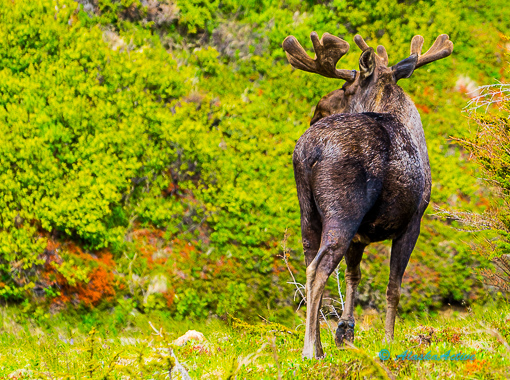
Moose at Chena Road

With a population of over 175,000 across the state, moose are the most commonly encountered giants in Alaska. Unlike the elusive wolf or the seasonal whale, moose can be found in nearly every region, often even wandering through the city streets of Anchorage. To see them in their most natural habitats, these locations are your best bet.

🔹 Anchorage: Kincaid Park and Potter Marsh - You do not have to travel far from the airport to find moose. Anchorage is home to an estimated 1,500 residents that roam the city’s greenbelts. Kincaid Park, located on the western tip of the city, is a 1,500-acre wilderness where moose are frequently seen along the 70 miles of trails or even in the parking lots. For a more scenic view, the boardwalk at Potter Marsh offers a chance to see moose wading through the wetlands to feed on aquatic plants against the backdrop of the Chugach Mountains.

🔹 Denali National Park: The First 15 Miles - While many visitors head deep into Denali for bears and sheep, the best moose viewing is actually found right at the beginning of the park. The first 15 miles of the Denali Park Road, specifically around the Riley Creek Campground and the Savage River drainage, are prime moose territory. They prefer the willow thickets and forested areas near the entrance. In late August and September, this area becomes a hotspot for the moose rut, where large bulls with massive palmated antlers can be seen competing for attention.

🔹 Fairbanks: Chena Hot Springs Road - In the Interior, the 60-mile stretch of road leading from Fairbanks to Chena Hot Springs is legendary for moose sightings. The road parallels the Chena River and passes through the Chena River State Recreation Area, which is filled with the sloughs and ponds that moose love. Driving this road at dawn or dusk during the summer months almost guarantees a sighting, especially near the marshy areas between mile 15 and 45.

🔹 Kenai Peninsula: Tern Lake and Portage Valley - As you drive south from Anchorage toward Seward or Homer, the intersection of the Seward and Sterling Highways at Tern Lake is a frequent hangout for moose. The shallow, nutrient-rich waters draw them in during the early morning hours. Nearby Portage Valley also provides excellent habitat, where the dense willow brush along the riverbeds provides the perfect snack for these 1,000-pound herbivores.


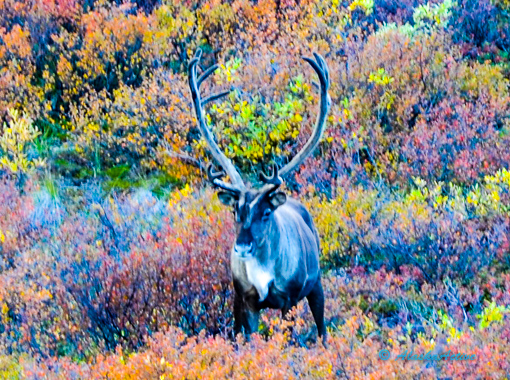
Caribou at Denali ParkCaribou and Reindeer: The Wandering Giants of the North

While they are technically the same species, caribou and reindeer play very different roles in the Alaskan landscape. Caribou are the wild, wide-ranging nomads of the tundra, known for some of the longest land migrations on earth. Reindeer, on the other hand, are their semi-domesticated cousins, brought to Alaska from Siberia in the late 1800s. Whether you want to witness a wild herd crossing a mountain pass or walk alongside a gentle reindeer in a boreal forest, Alaska offers several ways to see these "deer of the north."

🔹 Denali National Park and the Denali Highway - The most accessible place to see wild caribou is along the 92-mile Denali Park Road. The Denali Herd often spends its summers on the high, open tundra slopes to escape the heat and insects of the valleys. For a more rugged experience, the unpaved Denali Highway—stretching from Paxson to Cantwell—provides a vast, treeless landscape where you can scan the hillsides for the Nelchina Herd. These caribou are often seen moving in small groups across the brushy plains during the late summer and fall.

🔹 The Glenn Highway: Eureka Summit - Just two hours northeast of Anchorage, the Eureka Summit area on the Glenn Highway is a high-altitude plateau that serves as a popular corridor for caribou. Between mileposts 120 and 140, the highway reaches an elevation of over 3,000 feet, putting you right in the heart of their alpine habitat. In early winter and late spring, it is common to see them foraging for lichen near the road, their white manes and massive antlers standing out against the snow or autumn colors.

🔹 Reindeer Farms: Palmer and Fairbanks - If you want a guaranteed encounter and the chance to get up close, Alaska’s reindeer farms are a must-visit. In Palmer, just 45 minutes from Anchorage, the Reindeer Farm allows you to feed and pet a herd of over 150 reindeer in a scenic valley setting. For an even more immersive experience, the Running Reindeer Ranch in Fairbanks offers guided "reindeer walks" through the woods. Instead of looking at them through a fence, you actually stroll through the forest with the herd, learning about their unique adaptations while they wander freely beside you.

👉 Insider Tip: When you see a caribou or reindeer walking, listen closely for a distinct clicking sound. This isn't their hooves hitting the ground; it is actually a tendon sliding over a bone in their ankle. This "built-in" sound helps members of a herd stay together and find each other during whiteout snowstorms or thick fog when visibility is nearly zero.

Hiking with Reindeer in Fairbanks - This video provides an up-close look at what it is like to walk with a reindeer herd in the Alaskan woods, showcasing their gentle nature and unique personalities.


Dall Sheep: The High-Altitude Acrobats

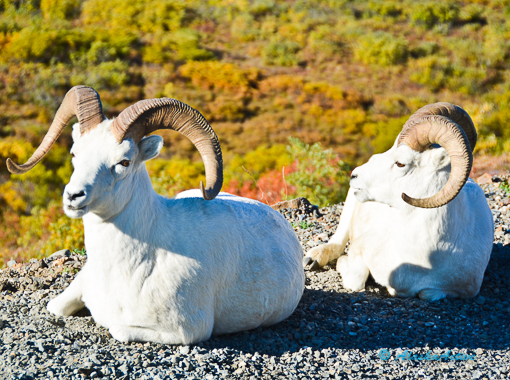
Dall Sheep at Denali Park

These snow-white sheep are masters of the cliffs, using steep, rocky terrain to escape predators like wolves and bears. The rams are easily identified by their massive, spiraling yellow-brown horns, which grow throughout their lives. Where to Spot Them: 

🔹 Seward Highway (Turnagain Arm): Just south of Anchorage, keep your eyes on the cliffs at Beluga Point and Windy Corner. They often graze surprisingly close to the road here.

🔹 Denali National Park: Scan the high mountain slopes, especially around Igloo Mountain and Polychrome Pass. Look for small white patches that move against the green tundra.

🔹 Sheep Mountain (Glenn Highway): Located at mile 113, the gypsum-rich soil here acts as a natural mineral lick, attracting large numbers of sheep during the summer months.

👉 Insider Tip: Since Dall sheep are almost always found on high, inaccessible ridges, a good pair of binoculars or a spotting scope is non-negotiable. If you see a group of white spots that don't seem to be moving, they might just be lingering snow patches—wait a few minutes to see if one of those "patches" stands up to graze.


Whales at Point AdolphusWhales: The Giants of the Deep

Alaska’s nutrient-rich waters serve as a massive summer buffet for several whale species. While you can occasionally see them from the shore, the most reliable way to witness their power is from the deck of a boat in Southeast or Southcentral Alaska.

🔹 Juneau and Icy Strait Point - Juneau is often called the whale-watching capital of the state. Humpback whales are so frequent in the waters of Auke Bay and Stephens Passage that many tour operators actually guarantee sightings from May through September. Nearby Icy Strait Point and Point Adolphus offer even higher concentrations of whales due to the unique meeting of currents that trap massive schools of herring.

🔹 Kenai Fjords National Park: Seward - Departing from Seward, you have the best chance to see orcas (killer whales) in addition to humpbacks. Resident pods of orcas are frequently spotted in Resurrection Bay during May and June as they follow the salmon runs. In the spring months of March and April, this is also the premier spot to witness the migration of gray whales as they travel from Mexico to the Arctic.

🔹 Glacier Bay National Park, Gustavus - This protected sanctuary is a world-class destination for observing humpback behavior. Because Glacier Bay National Park limits the number of large ships entering each day, the experience often feels more serene. You can watch for "fluking"—when a whale lifts its massive tail high out of the water before a deep dive—against a backdrop of towering tidewater glaciers.

🔹 Beluga Whales: Turnagain Arm - For a completely different experience, you can spot the ghostly white silhouettes of beluga whales from the road. Just south of Anchorage along the Seward Highway, belugas follow the incoming tides into Turnagain Arm to hunt for hooligan and salmon. Look for their white backs breaking the surface between mid-July and October, especially at Beluga Point.

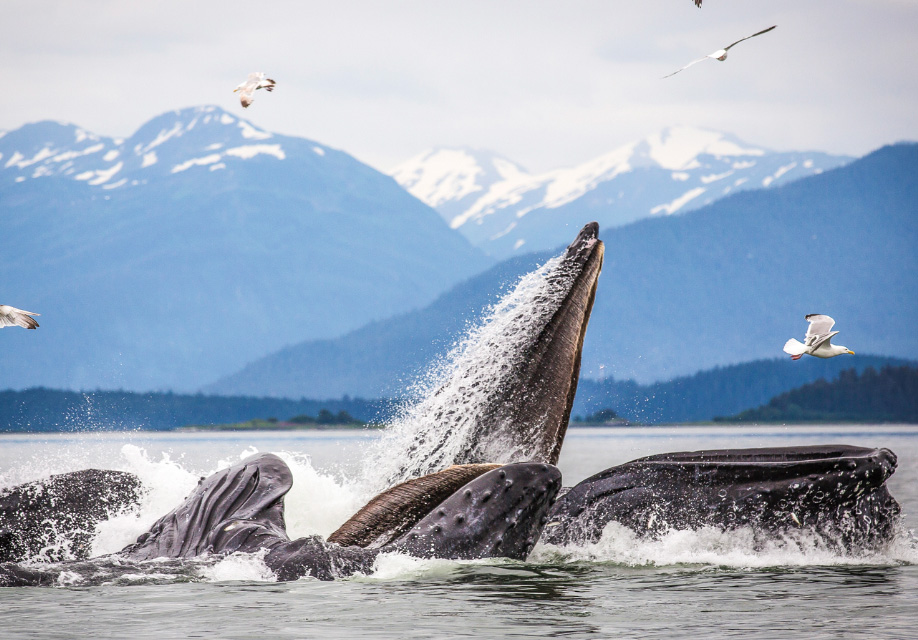
👉 Insider Tip:  Watch the birds to find the whales. If you see a large group of gulls or kittiwakes hovering and diving frantically over a single spot in the water, it usually means a whale is pushing a "bait ball" of fish toward the surface. In Southeast Alaska, this is often the first sign of bubble-net feeding—a rare, cooperative hunting behavior where a group of humpbacks blows a ring of bubbles to trap fish before surfacing all at once with their mouths wide open.


Signature Wildlife Viewing Journeys


Witness Alaska's most iconic species in their natural habitats with these expertly designed wildlife expeditions.

Wildlife viewing in Glacier Bay National Park
Rail & Motorcoach | 10 Days

Ultimate Alaska Adventure

A premier journey through the heart of Alaska. Search for the Big Five in Denali and witness marine giants in the Kenai Fjords.

Explore Trip
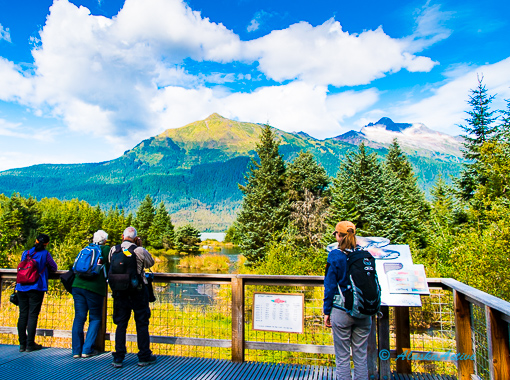
Viewing Plattform near Mendenhall Glacier
Self-Drive Vacation | 8 Days

Scenic Alaska Drives

The ultimate freedom. Explore coastal fjords and the interior at your own pace with a custom route designed for maximum wildlife spotting.

Explore Trip
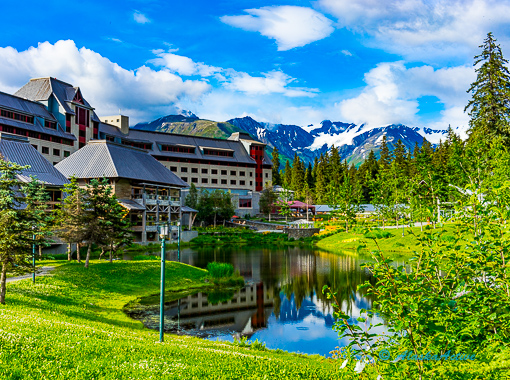
Alyeska Resort in Girdwood
Full Immersion | 12 Days

Best of Alaska Holiday

Our most comprehensive route. Combines the whales of the Inside Passage with the iconic grizzlies of the Interior.

Explore Trip

Must-Do Alaskan Activities

Must-Do Alaskan Activities: The Ultimate Alaska Vacation Guide

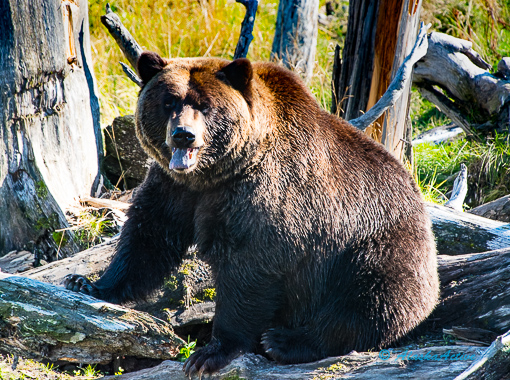
Brown Bear resting at Alaska Wildlife Conservation Center

From the thunderous roar of calving glaciers to the eerie dance of the aurora borealis, Alaska offers a raw, unfiltered wilderness that will forever haunt your memory. This is a land of profound scale, where the silence is as vast as the mountains and every horizon promises an encounter with the sublime.

Planning an Alaska vacation can be overwhelming because of the sheer size of the Great Land. Stretching across five distinct regions with more coastline than the rest of the United States combined, navigating this frontier requires local insight. At Alaska Active, we specialize in transforming this vast geography into a seamless, life-changing adventure. To help you narrow down your itinerary, we have compiled the best and unique things to do in Alaska, ranging from high-altitude flightseeing to deep-sea fishing. These bucket-list Alaska excursions are essential for any first-time visitor or returning adventurer seeking the true spirit of the Last Frontier.


1. Glacier Cruises in Kenai Fjords and Prince William Sound 

A glacier cruise is a cornerstone of any Alaska vacation, providing an up-close look at active tidewater glaciers. The two primary hubs for these day cruises are Seward and Whittier.
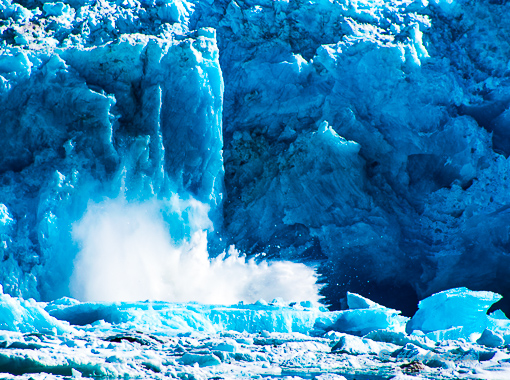
Kenai Fjords Glacier Cruise🔹 Seward is the gateway to Kenai Fjords National Park. These boat tours are famous for combining glacier viewing with world-class whale watching. Travelers often spot humpback whales, orcas, and sea otters along the rugged coastline. The highlight is reaching Aialik Glacier or Holgate Glacier to witness ice calving—where massive chunks of ice crash into the sea, a phenomenon known as white thunder.

🔹 Whittier offers access to the calm waters of Prince William Sound. This area features the highest concentration of glaciers in the world, including the famous College Fjord. Because the sound is protected, these cruises are ideal for those who prefer smooth water. You will see 26 named glaciers and massive ice fields like the Harvard Glacier, often accompanied by harbor seals lounging on floating ice. 

🔹 Juneau, Tracy Arm Fjord Cruise - Tracy Arm is a spectacular narrow fjord located south of Juneau. Cruises travel through steep granite cliffs, waterfalls, and drifting icebergs before reaching the twin Sawyer Glaciers. Wildlife sightings often include mountain goats, seals, and occasionally bears along the shoreline. These cruises are usually offered as day trips from Juneau and are known for dramatic scenery and close glacier views.

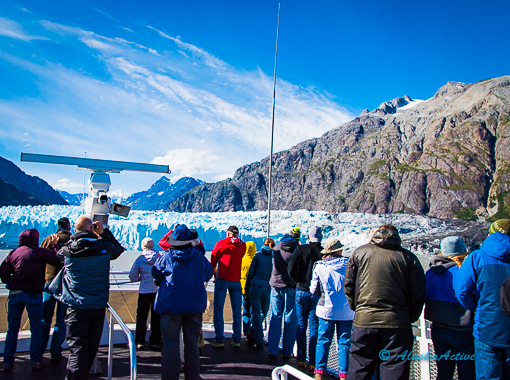
🔹 Gustavus, Glacier Bay Cruise (from cruise ships or small expedition vessels) - Glacier Bay National Park is one of Alaska’s most iconic glacier destinations. Most visitors experience it on cruise ships that spend a full day sailing through the bay. The park contains more than a dozen active tidewater glaciers, including Margerie and Grand Pacific Glacier. Rangers often board ships to narrate the journey, while passengers watch glaciers calve and wildlife such as sea lions, puffins, whales, and bears.

👉 Insider Tip: If you are prone to seasickness, choose a cruise from Whittier rather than Seward, as the protected waters of Prince William Sound are significantly calmer than the open-ocean swells of the Kenai Fjords.


2. Flightseeing Over Denali with Glacier Landings
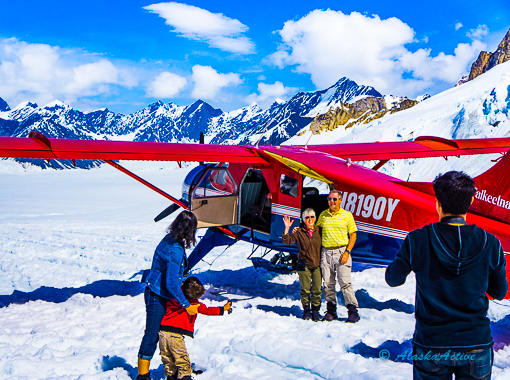
Flightseeing over Mt. Denali

Denali flightseeing is the only way to truly grasp the scale of the Alaska Range and North America’s tallest peak. Most tours depart from Talkeetna or the Denali Park entrance.

Flying in a ski-equipped bush plane allows you to soar past the Wickersham Wall—one of the world's highest vertical reliefs—and through the Great Gorge of the Ruth Glacier, which is deeper than the Grand Canyon. The ultimate upgrade is a glacier landing, where your pilot touches down on the ancient snow of the Don Sheldon Amphitheater. Standing on a glacier surrounded by 20,000-foot granite peaks is a transformative experience.

These tours provide a window seat for every passenger and are the best way to see the mountain, especially since Denali is only visible from the ground about 30% of the time. Whether you choose a summit tour or a shorter southside explorer, flightseeing offers a perspective of the Alaskan wilderness that is otherwise inaccessible.


3. Alaska Wildlife Viewing: Bears, Whales, and Moose

Wildlife viewing is a top reason for an Alaska vacation, offering a chance to see the "Big Five" in their natural habitat. From coastal fjords to inland tundra, the opportunities for wildlife photography are unmatched.
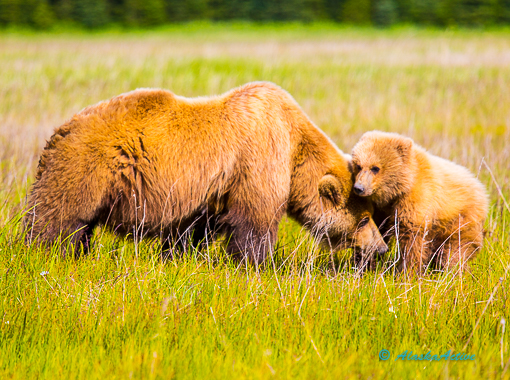
Bears at Silver Salmon Creek🔹 Marine Life in Kenai Fjords: A boat tour from Seward is the best way to see humpback whales, orcas, and sea otters. You'll also spot Steller sea lions and puffins along the rugged cliffs of Kenai Fjords National Park.

🔹 Bear Viewing in Katmai: For the ultimate Alaska bear viewing experience, fly into Katmai National Park and Preserve. It is world-famous for coastal brown bears, especially during the summer salmon runs.

🔹 Moose Sightings: While they wander throughout the state, the marshy areas near Anchorage and the Denali highway are hotspots for spotting these massive herbivores.

Whether you're on a marine wildlife cruise or a remote fly-in safari, seeing these iconic animals up close is a bucket-list experience for every traveler. 

👉 Insider Tip: For the best shore-based wildlife viewing, head to Beluga Point or Potter Marsh just south of Anchorage at high tide; you can often see beluga whales surfacing just yards from the rocks and moose foraging in the wetlands simultaneously.


4. Bear Viewing at Brooks Falls: The Ultimate Grizzly Experience
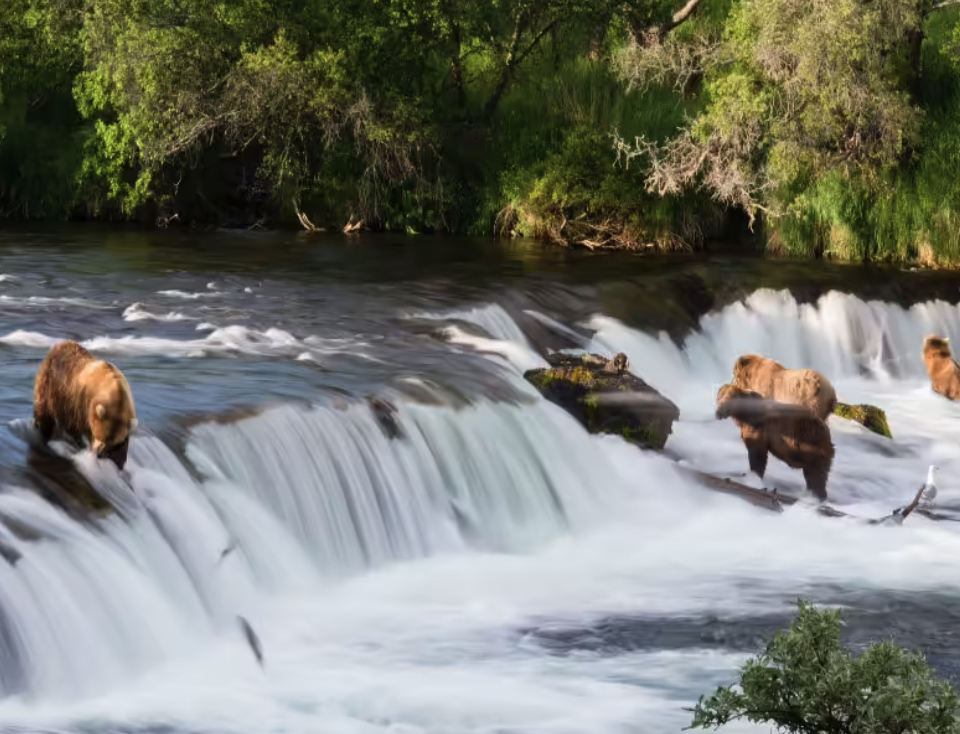
July Bear Viewing at Brooks Falls in Katmai

Watching brown bears catch leaping salmon at Brooks Falls is the most iconic wildlife encounter in Katmai National Park and Preserve. This bucket-list Alaska excursion offers a front-row seat to one of nature’s most raw spectacles.

🔹 Peak Bear Viewing Season - The best time to see bears at Brooks Falls is during July, when the sockeye salmon run is at its height. A secondary peak occurs in September as bears return to the river to feast on spawning salmon before winter hibernation.

🔹 Getting to Brooks Falls -There are no roads to this remote destination. Most travelers book a fly-in bear viewing tour from Anchorage, Homer, or King Salmon. These scenic bush plane or floatplane flights provide incredible aerial views of the Katmai coast and volcanoes before landing on Naknek Lake.

🔹 The Viewing Experience - Upon arrival, all visitors attend a mandatory bear safety orientation. You will then walk a short trail to elevated viewing platforms. The Falls Platform is the premier spot for photography, allowing you to safely watch up to 20 or more bears competing for fish at the edge of the waterfall.
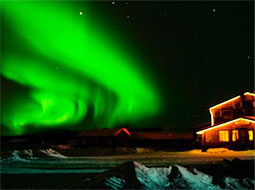

Fairbanks Northern Lights Viewing5. Chasing the Northern Lights in Fairbanks

The Northern Lights, or Aurora Borealis, is Alaska’s most famous winter spectacle. For the best chance of a sighting, travelers head to Fairbanks, which is located directly under the "auroral oval"—a ring-shaped zone where aurora activity is most frequent.

🔹 Peak Aurora Season: The best time to see the Northern Lights in Alaska is from late August through April. This year, activity is expected to be exceptionally high as we approach the solar maximum, making for more frequent and vivid displays of green, purple, and red.

🔹 Top Viewing Locations: While Fairbanks is the hub, many visitors travel further north to Coldfoot - Wiseman, or Bettles Lodge near the Brooks Range for even darker skies and fewer city lights. For a comfortable hot-springs experience, Chena Hot Springs Resort offers outdoor geothermal pools and frequent aurora viewing opportunities in winter. Bettles, located above the Arctic Circle, is also known for excellent aurora visibility thanks to its extremely dark skies and remote location. 

👉 Insider Tip:  The lights are most active between 10 PM and 2 AM. To maximize your success, stay at least three nights in the Interior to account for weather and cloud cover. Many local lodges even offer "aurora wake-up calls" so you don't have to stay up all night waiting. If you are starting in Anchorage, the Alaska Railroad’s winter Aurora train to Fairbanks is a scenic and comfortable way to reach prime northern lights territory.  


6. Dog Sledding and Mushing: Alaska's State Sport
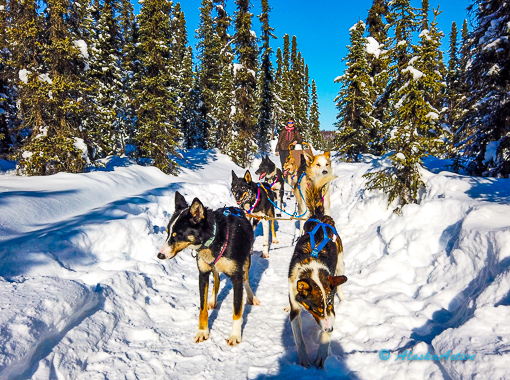
Dog Sledding in Winter Alaska

Experience the thrill of dog sledding in Alaska, a tradition that dates back centuries and remains the state’s official sport. Whether you visit in the heat of summer or the heart of winter, mushing tours offer an unforgettable connection to the landscape and these incredible canine athletes.

🔹 Summer Glacier Dog Sledding: You don't need snow on the ground to go mushing. In the summer, popular helicopter dog sledding tours depart from Girdwood, Seward, or Juneau. You'll fly to a high-altitude glacier camp where teams of Alaskan Huskies live and train year-round. It is a rare chance to experience a "snow day" in July, complete with a sled ride across the ancient ice.

🔹 Winter Mushing Adventures: For the most authentic experience, visit between November and March. In hubs like Fairbanks and Anchorage - Willow, you can glide through frosted spruce forests on a traditional wooden sled. Many tours even offer a "Moonlight Mush," where you can drive a team under the Northern Lights.

🔹 Meet the Champions: Most excursions are led by veteran Iditarod or Yukon Quest mushers. You’ll visit the kennels, learn the "Gee" and "Haw" commands, and—the highlight for many—spend time cuddling the next generation of champions during puppy socializations.

👉 Insider Tip: The best insider tip for dog sledding is to visit a kennel that has Iditarod or Yukon Quest bloodlines; many top mushers offer "puppy socializations" where you can help train the next generation of athletes, which is often the highlight of the trip.
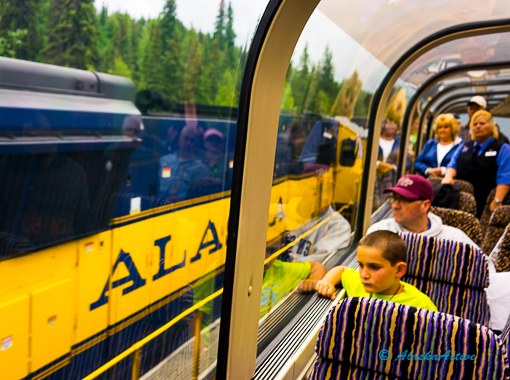

On Board the Alaska Railroad7. Scenic Alaska Railroad Journeys

A trip on the Alaska Railroad is widely considered one of the most spectacular train rides in the world. It is a relaxing and scenic alternative to driving, connecting the state’s top destinations like Anchorage, Denali National Park, and Seward.

🔹 The Coastal Classic (Anchorage to Seward): This route is a traveler favorite. It winds along the Turnagain Arm, where the mountains meet the sea, before climbing through the rugged Kenai Mountains. You’ll see glaciers, cascading waterfalls, and deep gorges that are inaccessible by car.

🔹 The Denali Star: The Denali Star (Anchorage to Denali & Fairbanks) is the flagship train of the fleet. This route travels north through the heart of the Interior. On clear days, the train offers legendary views of Denali. You’ll cross the 296-foot-high Hurricane Gulch bridge, one of the best photo opportunities in the state.

🔹 GoldStar vs. Adventure Class: For the ultimate experience, book GoldStar Service. It features double-decker glass-dome cars, a private outdoor viewing platform (the only one of its kind), and inclusive chef-prepared meals. Adventure Class offers a more budget-friendly option with comfortable seating and access to shared vista-dome cars.

👉 Insider Tip: The train is an excellent way to spot wildlife like moose and bears from the safety of your seat. In the winter, the Aurora Winter Train provides a magical "Snow Piercer" experience for those heading north to see the Northern Lights.
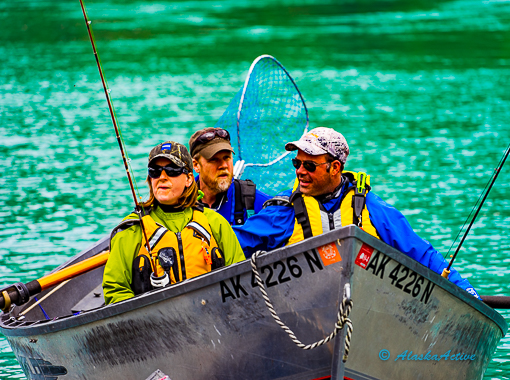

Salmon Fishing in Cooper Landing8. World-Class Salmon and Halibut Fishing

Alaska fishing charters are a cornerstone of the 49th state's tourism industry. Whether you are looking for a private fishing charter or a shared boat, the coastal waters offer some of the most productive grounds in the world for Pacific Halibut and various Salmon species.

🔹 Homer: The Halibut Fishing Capital of the World Homer is legendary for its deep-sea fishing. Homer halibut fishing charters take you into Kachemak Bay and Cook Inlet to target "chickens" (smaller, tasty halibut) and "barn doors" (trophy fish exceeding 100 lbs). The 2026 fishing season in Homer is expected to be prime from May through September, with many captains offering multi-species "combo trips" that include rockfish and lingcod.

🔹 Seward: Salmon and Multi-Species Adventures Seward fishing charters are ideal for anglers who want variety. Departing from Resurrection Bay, these trips often target Silver (Coho) Salmon and King (Chinook) Salmon. Seward is also a top spot for halibut and salmon combos, allowing you to fill your freezer with a diverse range of fillets in a single day. The annual Silver Salmon Derby in August is a major draw for competitive anglers.

🔹 River Fishing on the Kenai Peninsula If you prefer freshwater, the Kenai River is the gold standard for sockeye salmon fishing. Guided drift boat trips provide access to famous fishing holes where millions of salmon return to spawn each summer. For many, a Kenai River salmon guide is essential to navigating the "combat fishing" zones and finding the most productive drifts.
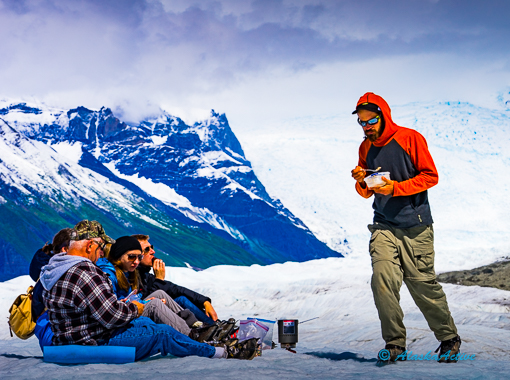

Hiking on Root Glacier9. Glacier Hiking and Ice Climbing

Walking on a glacier is the most intimate way to experience Alaska’s "rivers of ice." Whether you are looking for a gentle glacier trek or a vertical ice climbing adventure, several world-class locations offer guided access to these frozen landscapes.

🔹 Matanuska Glacier: The Most Accessible Located just two hours north of Anchorage, the Matanuska Glacier is the largest road-accessible glacier in Alaska. Guided tours are required to step onto the ice, where you can explore vibrant blue crevasses and unique formations like moulins (vertical ice shafts). Daily tours remain popular for all skill levels, offering everything from 2-hour walks to full-day backcountry treks.

🔹 Root Glacier: Deep in Wrangell-St. Elias National Park. For a more remote experience, head to the historic mining town of Kennecott in Wrangell-St. Elias National Park. The Root Glacier is famous for its stunning "stairway icefall" and exceptionally clear blue pools. It is a premier destination for introductory ice climbing, where professional guides teach you to use ice axes and crampons to scale vertical walls of crystalline ice.

🔹 Mendenhall Glacier: The Changing Icon In Juneau, the Mendenhall Glacier is a must-visit, though it is retreating rapidly. The glacier has officially receded from Mendenhall Lake, changing how tours access the ice. While the famous "ice caves" are fleeting and often unstable, guided paddle-and-trek trips still allow you to kayak across the lake and hike onto the glacier's rugged terminus.

👉 Safety and Gear: Glacier travel is inherently dangerous due to hidden crevasses and shifting ice. Always book a guided glacier tour. Most outfitters provide the necessary technical gear, including crampons (ice spikes), helmets, and ice axes. Be sure to dress in synthetic layers, as temperatures on the ice are significantly cooler than on the surrounding land.


10. Floatplane Adventures: Accessing the Unreachable
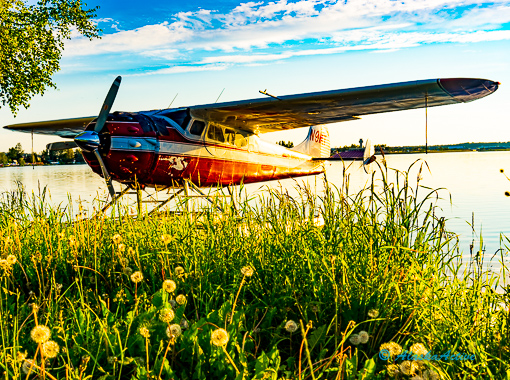
Flying by Floatplane from Anchorage

In a state where the majority of the land is not connected by roads, the Alaska floatplane is the ultimate symbol of freedom. Taking off and landing on water allows you to reach hidden corners of the wilderness that are otherwise inaccessible, making bush plane adventures a must for any serious explorer.

🔹 Lake Hood: The World’s Busiest Seaplane Base Most floatplane tours depart from Lake Hood in Anchorage. Watching dozens of planes take off every hour is an attraction in itself. From here, you can book a scenic flightseeing tour that carries you over the Chugach Mountains or across the Cook Inlet to see active volcanoes like Mt. Redoubt and Mt. Iliamna.

🔹 Fly-In Bear Viewing at Redoubt Bay and Lake Clark One of the most popular Alaska seaplane tours is a day trip to Redoubt Bay or Lake Clark National Park. These 6-to-10-hour excursions involve landing on a remote lake and transferring to a small boat to view brown and black bears feeding on salmon. Because these areas are only accessible by air, the experience is quiet, intimate, and authentically wild.

🔹 The Taku Lodge Feast (Juneau) In Southeast Alaska, the classic floatplane experience is the Taku Lodge Glacier Flight & Feast. You’ll fly over five massive glaciers in the Juneau Icefield before landing on the Taku River at a historic wilderness lodge. Here, you can enjoy a wild Alaskan salmon bake while watching for black bears that frequently visit the lodge grounds.

🔹 Misty Fjords National Monument (Ketchikan) Known as the "Grand Canyon of the North," Misty Fjords is best seen from a floatplane. These tours depart from Ketchikan and soar over 3,000-foot granite cliffs and plunging waterfalls. Most pilots include a "water landing" on a secluded alpine lake, allowing you to step out onto the plane's floats and experience the profound silence of the Tongass National Forest.

🔹 Fly-In Fishing and Wilderness Lodges For those seeking total immersion, floatplanes provide the only transport to remote Alaska fishing lodges like Wilderness Place Lodge. These "off-the-grid" adventures include world-class fly fishing for salmon and trout on pristine rivers where you won't see another soul—except perhaps a passing moose or eagle.

👉 Insider Tip: The ultimate insider tip is to book the earliest morning flight possible, as morning air is typically smoother and clearer before afternoon clouds and thermal turbulence develop.


Signature Adventure Journeys


Experience Alaska's most iconic activities—from glacier trekking and wildlife cruises to the legendary Alaska Railroad.
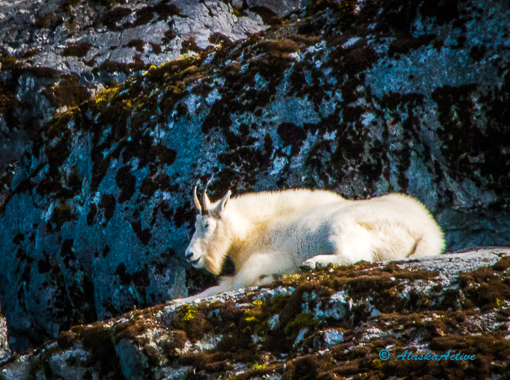
Mountain Goat and Glaciers in Alaska
Rail & Drive | 10 Days

Alaska's Journey Beyond Nature

An immersive trek through the Kenai Fjords and Denali. This itinerary prioritizes high-action activities like glacier hiking and deep-fjord cruising.

Explore Trip
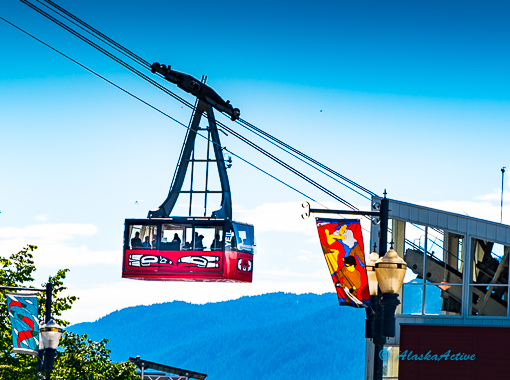
Scenic view from a mountain tram in Alaska
Rail & Coach | 12 Days

Alaska Wilderness Spirit

Connect the rugged Interior with the lush Southeast. Includes flightseeing over the Alaska Range and exploring historic coastal towns.

Explore Trip
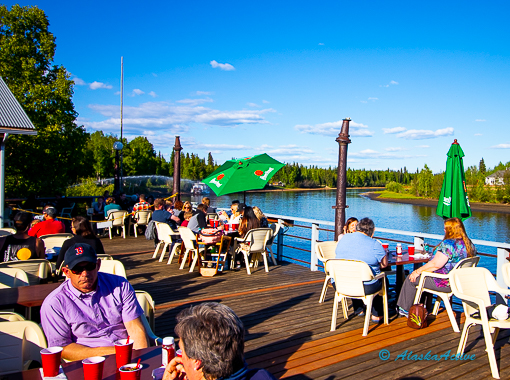
Sitting by Chena River in Fairbanks
Road Trip | 8 Days

Alaska's Glaciers & National Parks

Designed for those who want to be active on the ground. Features the best hiking trails and river excursions in Southcentral Alaska.

Explore Trip