

Iditarod Sled Dog Race Start: Anchorage & Willow
The start of the Iditarod is one of the most exciting moments in Alaska’s winter — and also one of the most misunderstood. Many travelers think there is just one starting point, but in reality, the race begins in two stages: the ceremonial start in Anchorage and the official restart in Willow. Experiencing both gives you a much deeper understanding of the race — from the festive atmosphere in the city to the raw, authentic moment when the teams head out into the Alaskan wilderness.
About the Anchorage Ceremonial Start
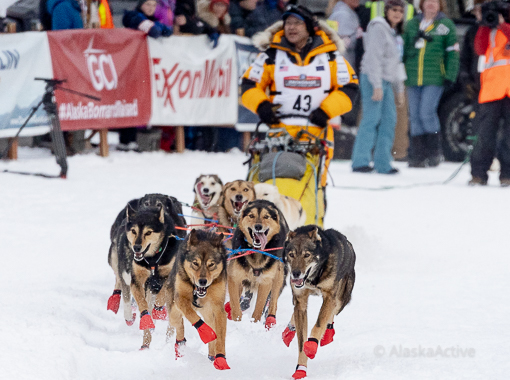
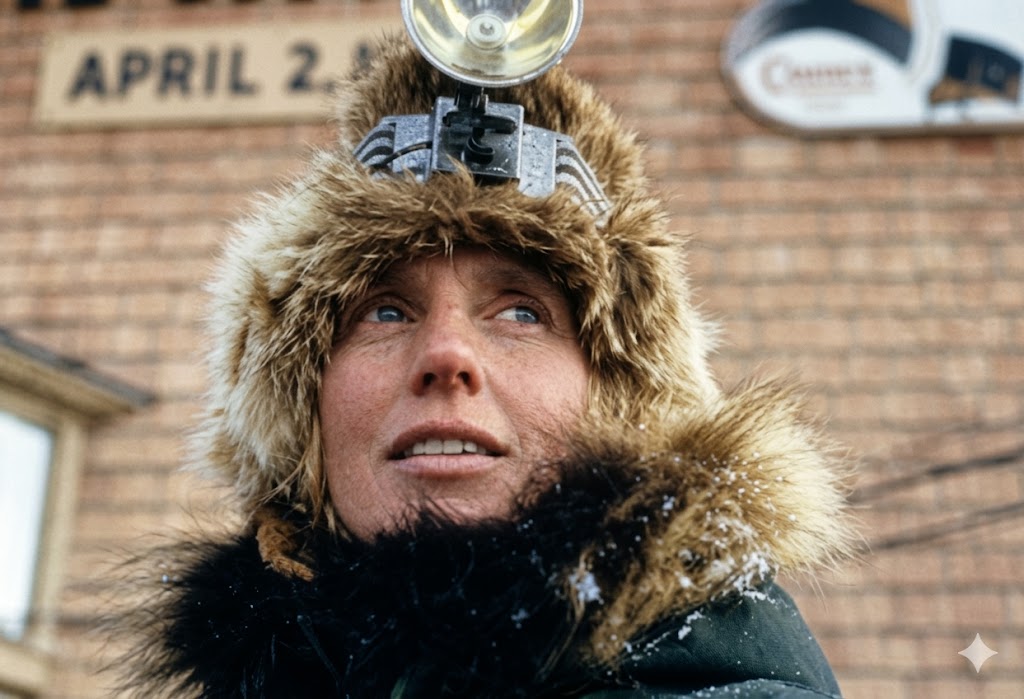
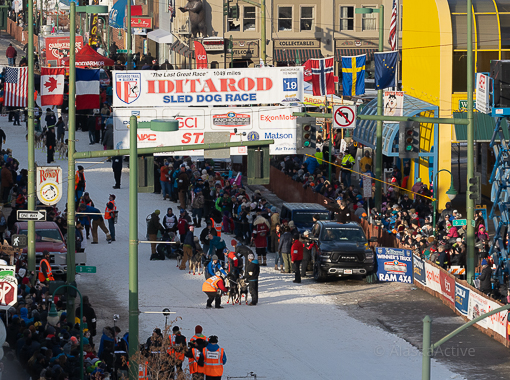
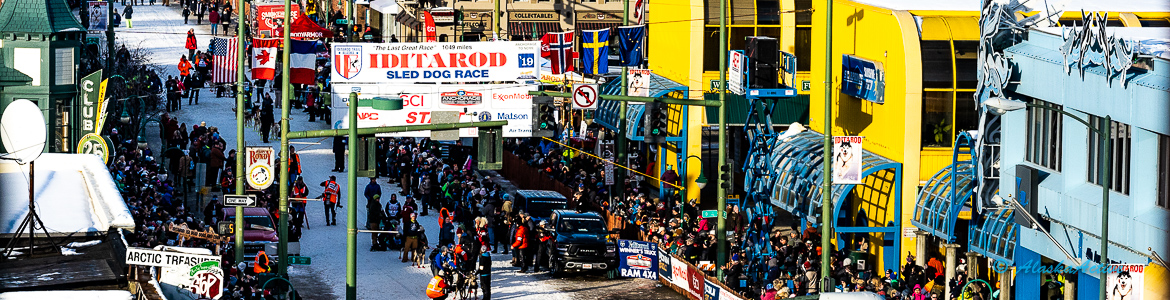
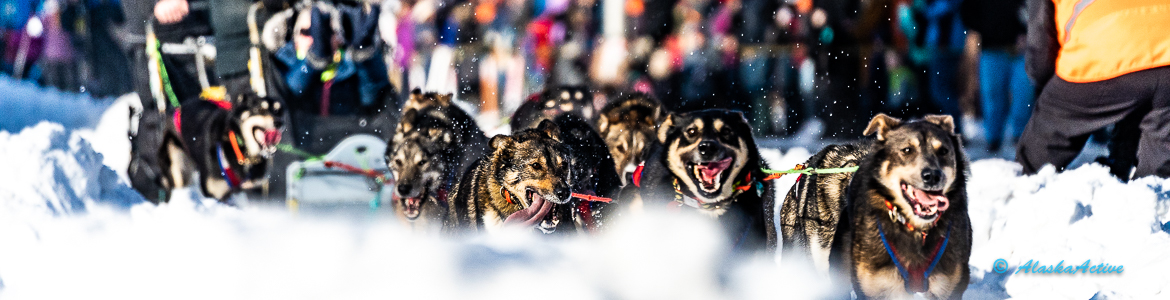
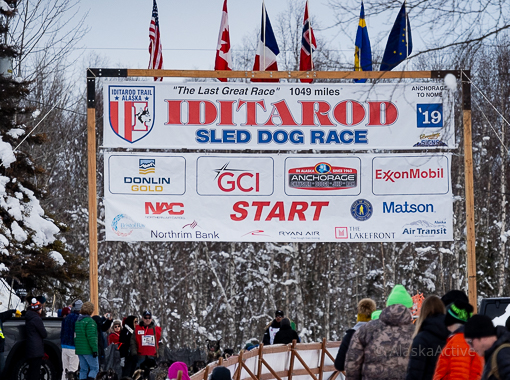
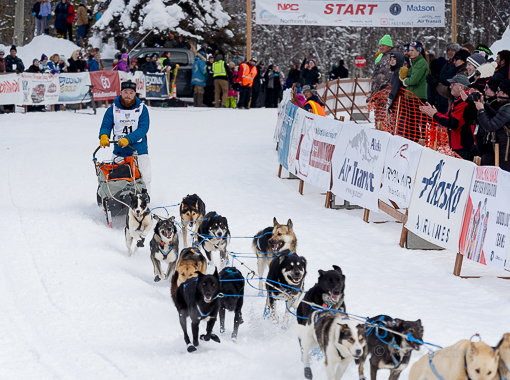
The ceremonial start takes place in downtown Anchorage — typically along 4th Avenue — and feels more like a winter festival than a race, yet it remains an essential part of the Iditarod experience. Beginning at 10 AM, mushers depart from Fourth Avenue and D Street in three-minute intervals, covering an approximately 11-mile route through Anchorage’s trail system before reaching Campbell Airstrip.
Teams travel through city streets lined with cheering crowds before heading toward the edge of town. While the dogs are running and the teams are in motion, this portion does not count toward the official race time — the real competition begins the following day in Willow.
One unique part of the ceremonial start is the IditaRider program, where guests can ride in the sled with a musher along this route. These limited seats are auctioned or offered as a “buy it now” option, typically around $7,500. The experience includes the full 11-mile ride, a meet-and-greet lunch with the musher, a professional photo, and commemorative gear — all while directly supporting the teams.
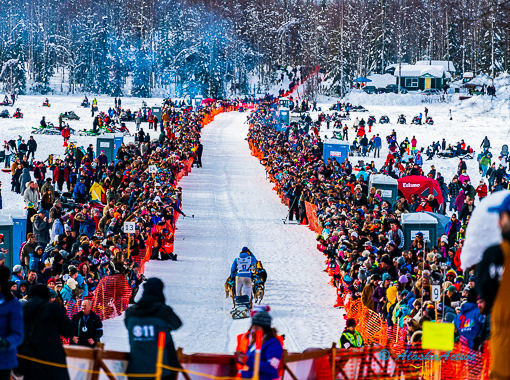
The atmosphere in Anchorage is lively and welcoming. Crowds gather along the route, families come out, and you can get surprisingly close to the mushers and their dogs — making it one of the best opportunities for photos and to feel the excitement before the race heads into the wilderness.
Locals often create their own viewing spots along the route, with informal “trailgate” gatherings adding to the experience. One of the best-known is along Cordova Street, where teams descend toward the trail system. Here, spectators gather — often with hot cocoa or even a Bloody Mary in hand — cheering loudly as mushers pass. At the long-running “Bootie Alley” party, crowds call out and hope to catch dog booties tossed as souvenirs. You’ll find similar scenes across the city. It’s not one single event, but a collection of local gatherings that give the start a personal, community feel.
What makes this moment especially meaningful is the timing. After a long, dark Alaskan winter, people are ready to get outside and celebrate. The ceremonial start, happening alongside the Fur Rendezvous (Fur Rondy) festival, becomes a true seasonal highlight. Events throughout the day — including the well-known Running of the Reindeer in the afternoon — add to the festive atmosphere.
For mushers and their handlers, this is also a milestone. After months of training and preparation, this is the moment to step into the spotlight, connect with the community, and celebrate before heading into the wilderness the next day. t’s not just the beginning of a race — it’s a moment where all of Alaska comes together.
We always enjoy this part because it shows the community side of the Iditarod — the personalities, the energy, and the anticipation before the real challenge begins.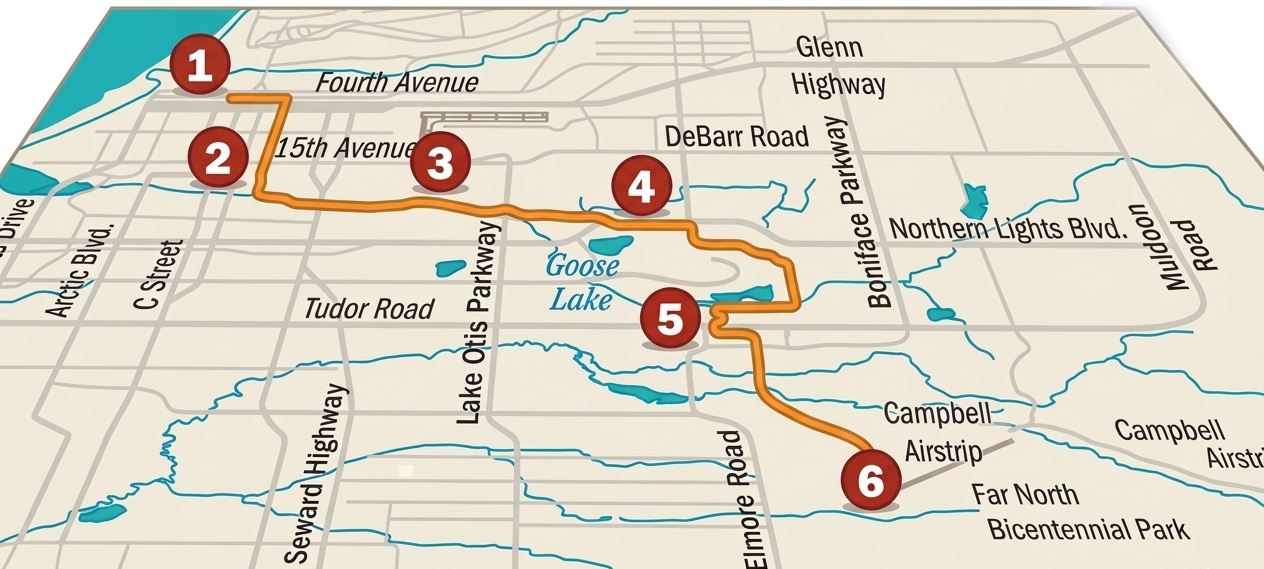
About the Willow Official Restart
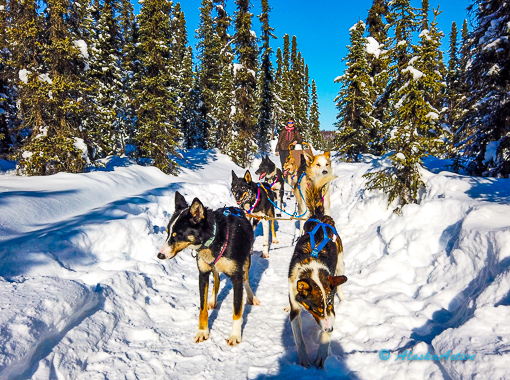
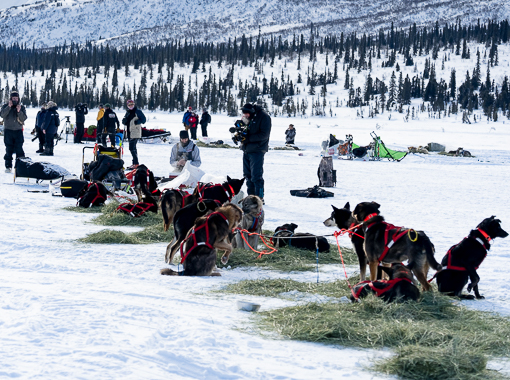
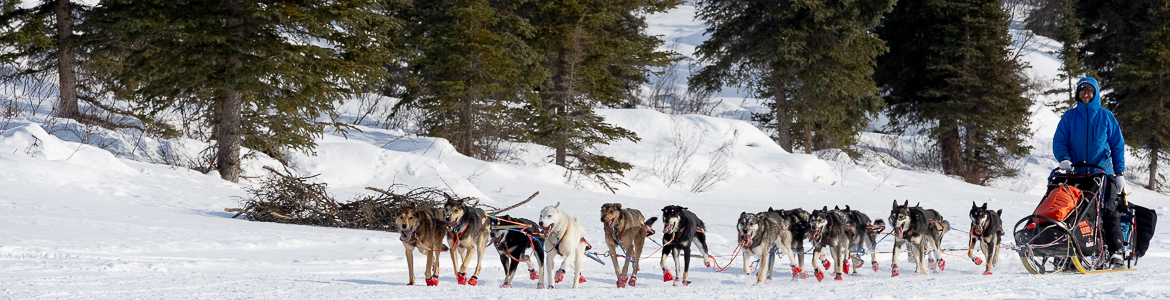
The official restart in Willow is where the Iditarod truly begins — and the atmosphere shifts noticeably from celebration to focus. Located about 70 miles north of Anchorage, Willow feels far more remote and authentic. There are still spectators, but the crowds are smaller, the setting quieter, and the experience more connected to the race itself. This is where mushers leave one by one, heading into the wilderness and beginning their 1,000-mile journey to Nome.
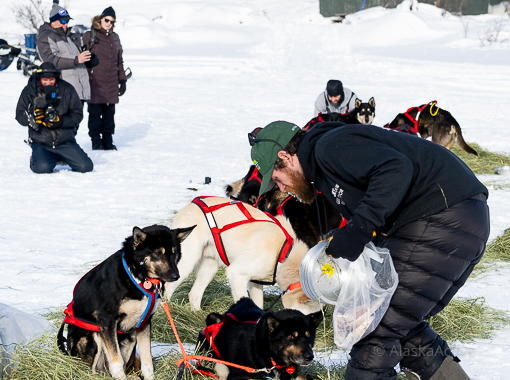
Unlike Anchorage, there are no city streets or festival backdrop. Instead, you’ll find snow-covered trails, open space, and a strong sense that the real challenge is about to begin. You can hear the dogs, see the preparation, and watch each team take off into the landscape — it’s a very different, more intimate experience.
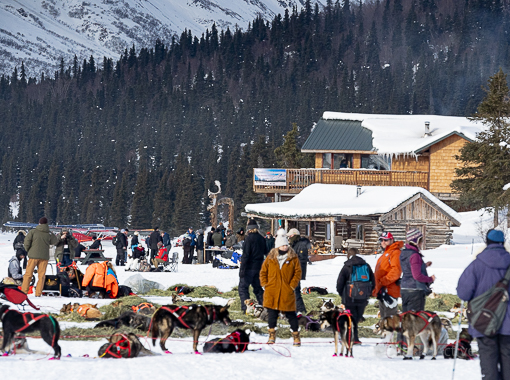
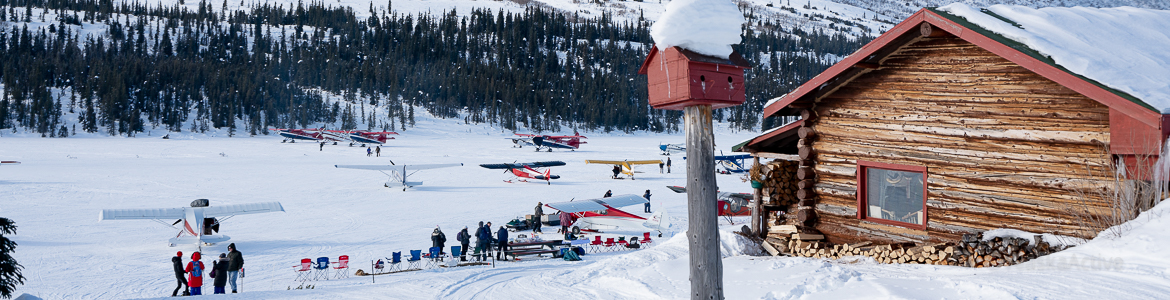
Locals approach Willow in their own way. Many arrive early, setting up along the trail with camp chairs, thermoses, and warm gear. It’s common to see small groups gathered in the snow, chatting, staying warm, and waiting for their favorite mushers to pass. Some bring grills or tailgate setups, but overall the mood is quieter and more focused than in Anchorage.
Because of the colder temperatures and more exposed setting, Willow also feels more “real.” You quickly understand what the race is about — endurance, preparation, and the bond between musher and dogs. When a team leaves the start line and disappears into the trees, it’s a powerful moment.
Timing here is important. The restart takes place on Sunday, with teams departing in intervals similar to Anchorage. However, many visitors underestimate how early they need to arrive. Parking, access, and positioning take time, and once the teams begin leaving, you won’t want to miss it. Facilities are limited compared to Anchorage, so it’s best to come prepared — warm clothing, snacks, and patience all help. But that’s also part of the experience. It feels less like an event and more like being present at the true beginning of the race. Our Iditarod tour packages include a guided tour to the Willow restart, with transportation and logistics taken care of — so you can simply focus on the experience.
Best for: authentic race experience and seeing teams head into the Alaskan wilderness.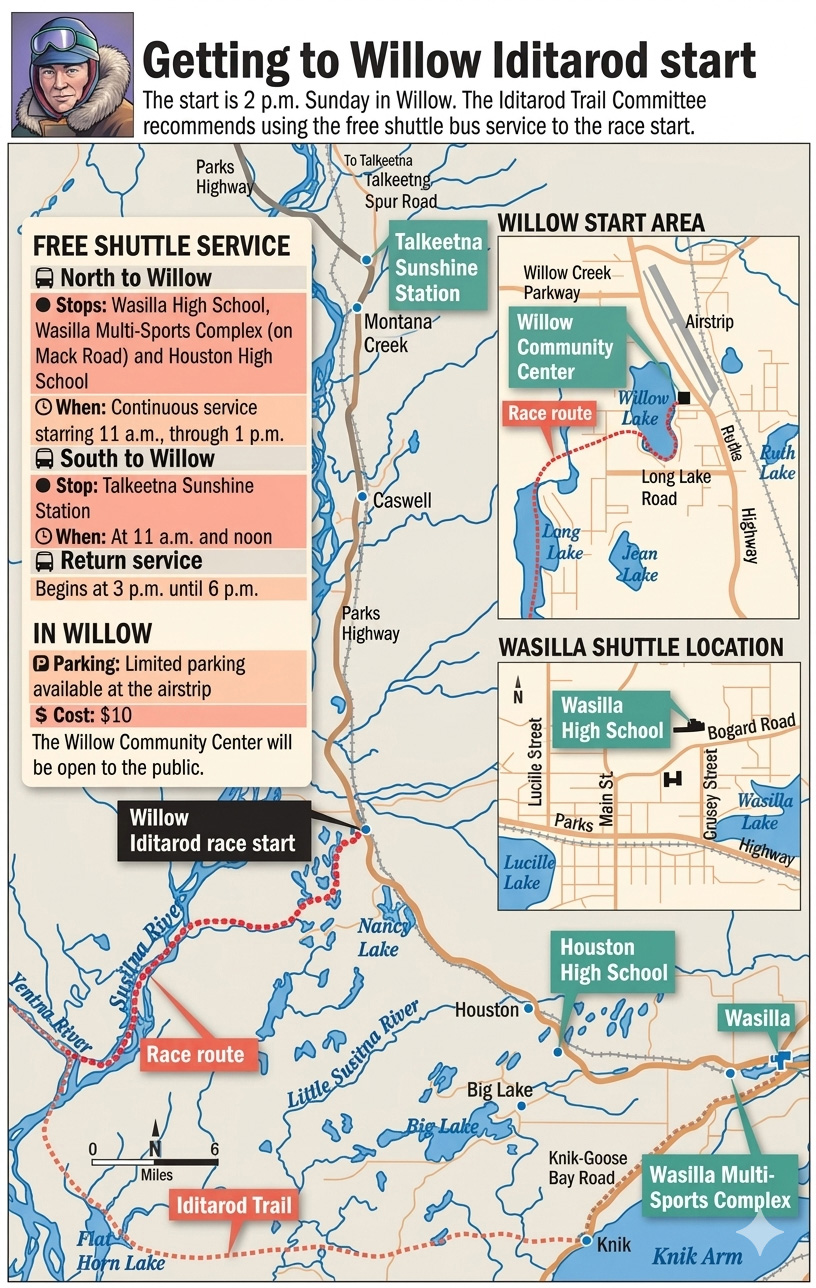
Iditarod Quick Facts
IditaRider
Guests can ride in a musher’s sled during the ceremonial start. Seats are limited and can cost around $7,500, helping support mushers and their teams.
Cost of a Kennel
Running an Iditarod kennel can exceed $80,000 per year, including dog food, veterinary care, training, and race expenses.
Mushers & Dogs
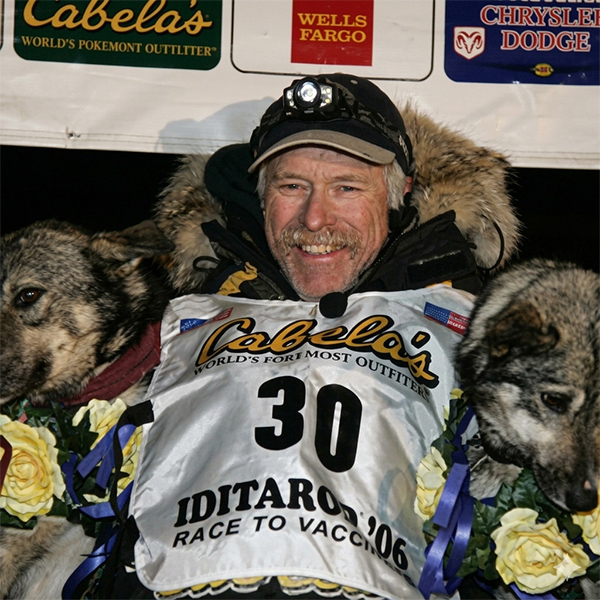
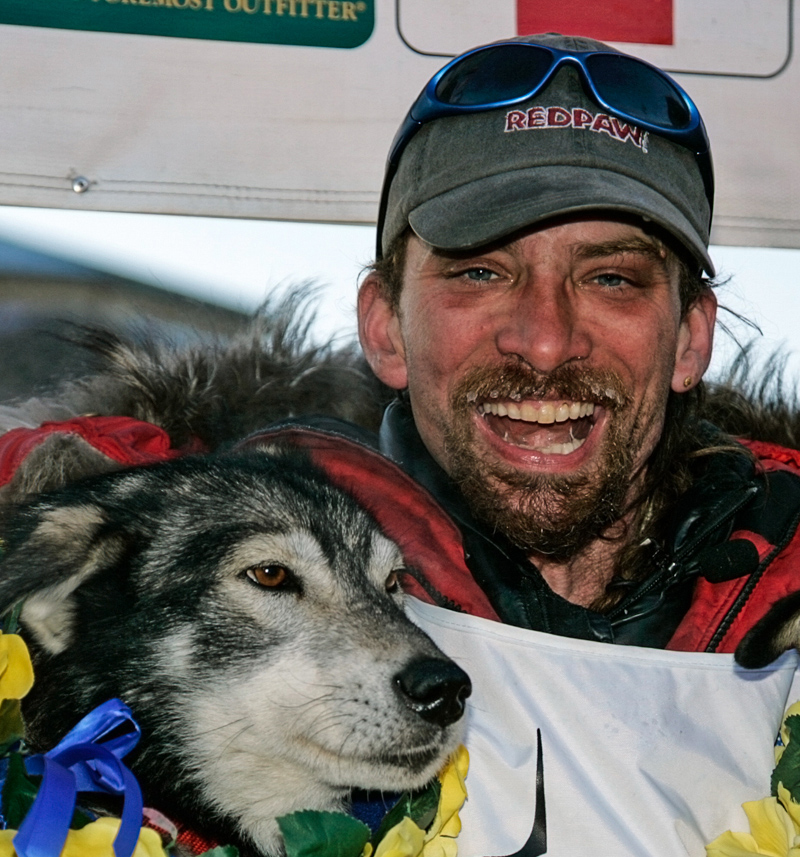
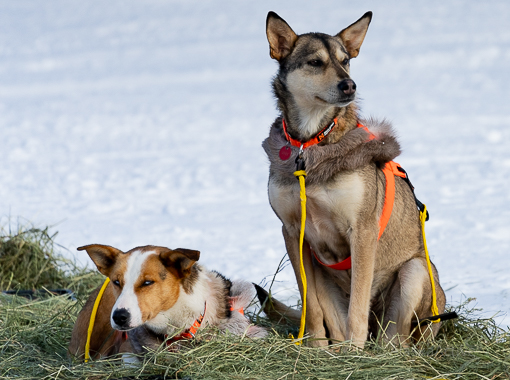
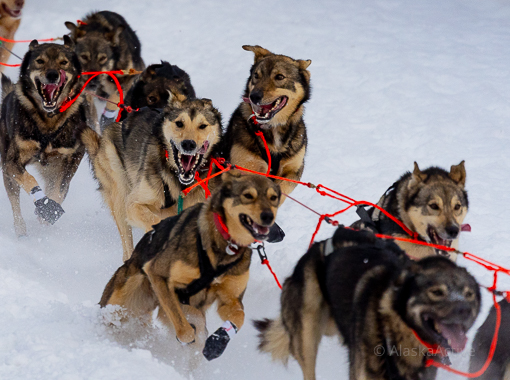
Around 40–50 mushers compete each year, starting with up to 16 sled dogs per team.
Start Intervals
Teams depart in three-minute intervals at both the Anchorage ceremonial start and the Willow restart.
Race Duration
Teams typically take 8 to 15 days to reach Nome, depending on weather and trail conditions.
Mandatory Rest
Mushers must take mandatory rest periods, including a 24-hour stop, making strategy as important as speed.
You can also experience the Iditarod in person on one of our tours
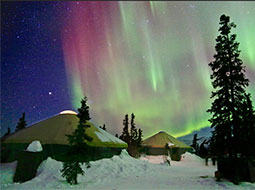
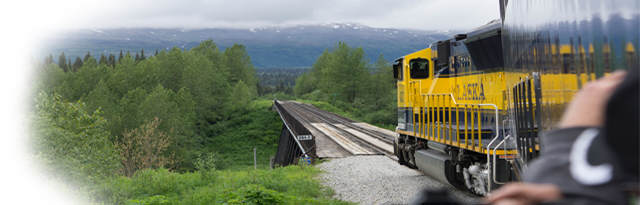
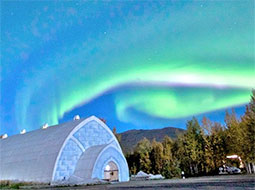
At Alaska Active, we specialize in custom, independent travel that follows the spirit of the trail. Whether you want to witness the race start in Anchorage, journey north via the Alaska Railroad, or combine your trip with Northern Lights Viewing, we handle the logistics so you can experience the heart of the wild on your own terms.
Signature Iditarod Journeys
Follow the path of the Great Race and witness the magic of the Arctic. These winter expeditions offer a front-row seat to Alaska's most iconic traditions.
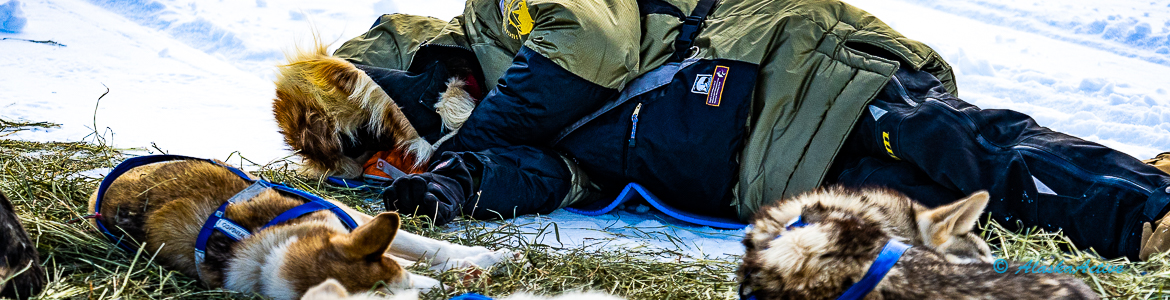
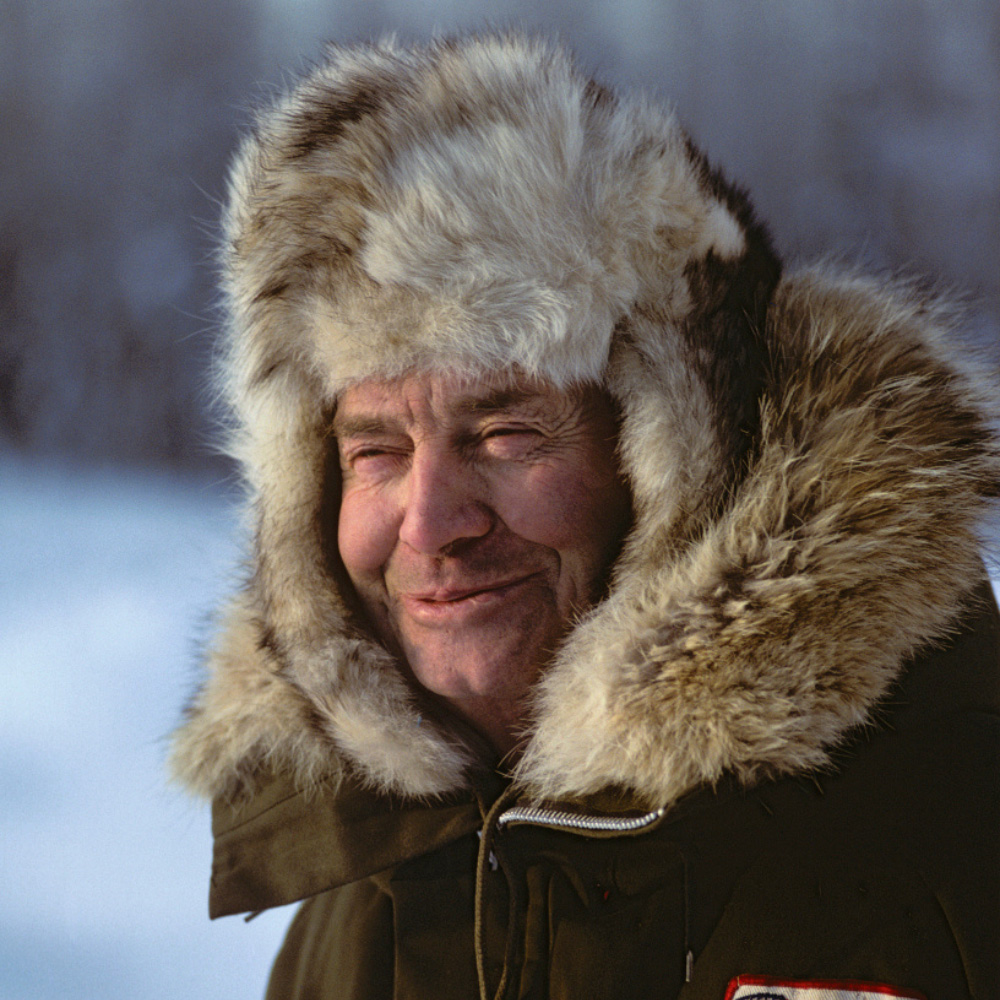
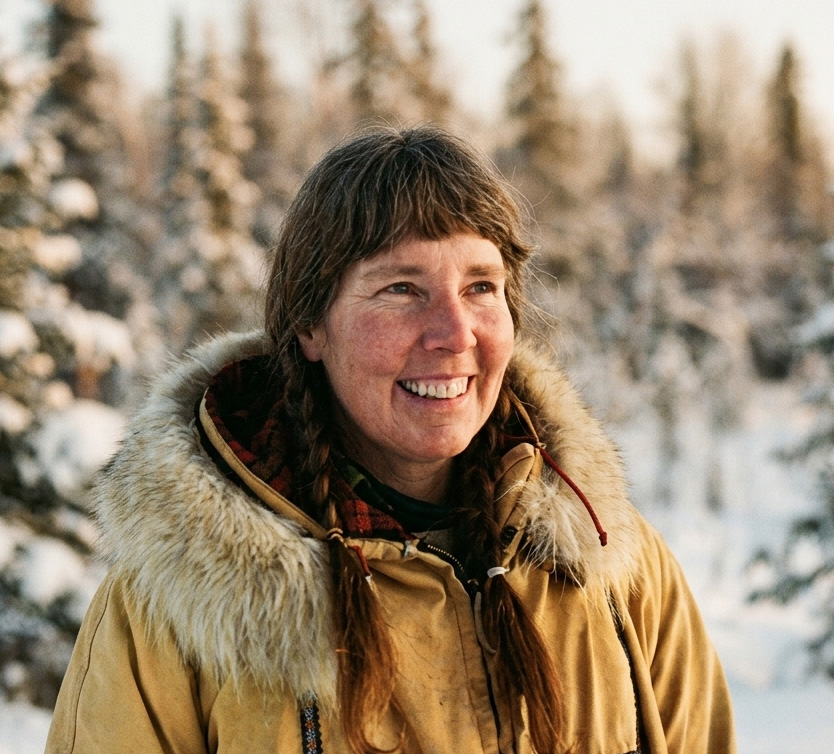


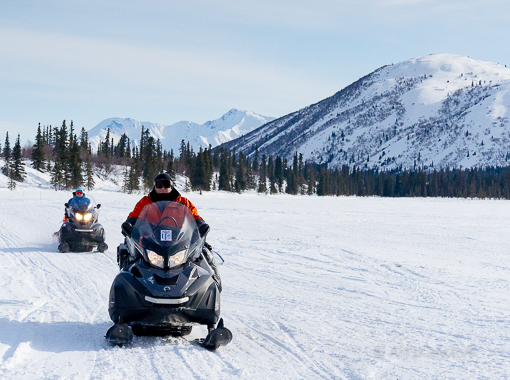
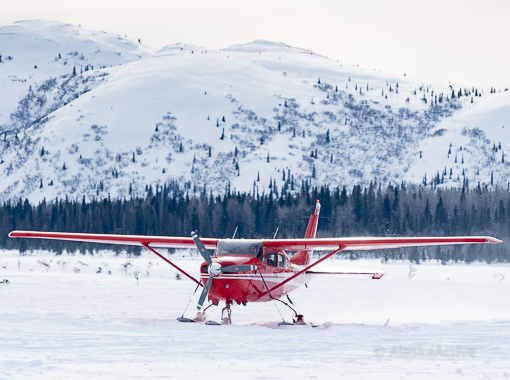 Several specialized volunteer groups are essential to the race that go beyond general support. These roles often require specific professional certifications or extreme technical skills.